Ghana successfully completed the 5th Review of the IMF ECF-supported programme on December 17, 2025. As outlined in IMF Country Report No. 25/343, the review acknowledged the significant macroeconomic progress made and commended the strong measures taken to realign the programme following the policy reform setbacks in 2024. While some structural reforms have faced delays due to their complexity, the report confirms that the macroeconomic environment has improved markedly.
Real GDP growth has exceeded expectations, inflation has declined faster than projected into the Bank of Ghana’s target range, and international reserves are expanding steadily. Tentative data from Bank of Ghana (BoG) as of mid-December 2025 suggest that international reserves could exceed US$13 billion by end-2025, contributing to rising confidence in the economy.
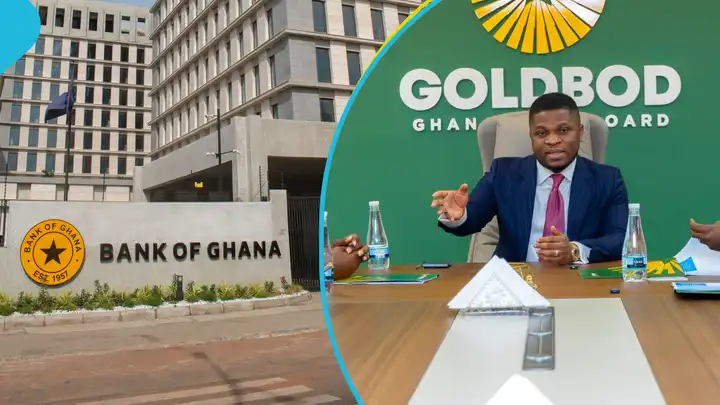
Although the IMF review flagged financial risks associated with the Domestic Gold Purchase Programme (DGPP), it is important, to place these concerns within the broader context of the programme’s significant macroeconomic contribution. The DGPP is a policy tool that has helped shore up Ghana’s international reserves, supported currency stability, and enabled access to large volumes of foreign exchange without incurring new debt. The operational role of GOLDBOD as an aggregator has been important in channelling gold-based inflows from the small-scale mining sector into the official market. This collaborative structure between the Bank and GOLDBOD has ensured that the DGPP remains anchored in public policy objectives.
The new foreign exchange operations framework introduced by the Bank of Ghana was also highlighted in the IMF report as a critical reform. Designed in line with global best practices, the framework clarifies intervention triggers, separates reserve accumulation from market intermediation, and enhances transparency, all aimed at deepening confidence in FX markets. The functioning of this framework is closely tied to the stability and efficiency of GOLDBOD’s operations, reinforcing the need for continued oversight and operational discipline.
Recognising both the macroeconomic benefits and fiscal costs of the DGPP, the Board of the Bank of Ghana recently approved reforms to improve pricing and operational efficiency in the downstream segment of the programme. These reforms will be rolled out beginning January 2026, in line with budgetary provisions made in the 2026 national budget to fully resource GOLDBOD, ensuring its sustainability as it evolves. Priorities will include reducing intermediation fees, improving cost-efficiency, and achieving competitive, yet economically sound buying prices, with benefits for both the sector and broader economy.
Finally, the Bank of Ghana is currently undergoing its annual external audit. As such, any figures reported in relation to losses from gold operations in 2025 remain speculative. The Bank’s audited financial statements, including all relevant disclosures will be published next year in accordance with statutory requirements.
ENDS
Issued by: Communications Department 25 December 2025