Residents and businesses in Accra’s Teshie–Nungua enclave are grappling with worsening water shortages, as taps in several communities remain dry weeks after authorities assured the public that measures were being put in place to stabilise supply.
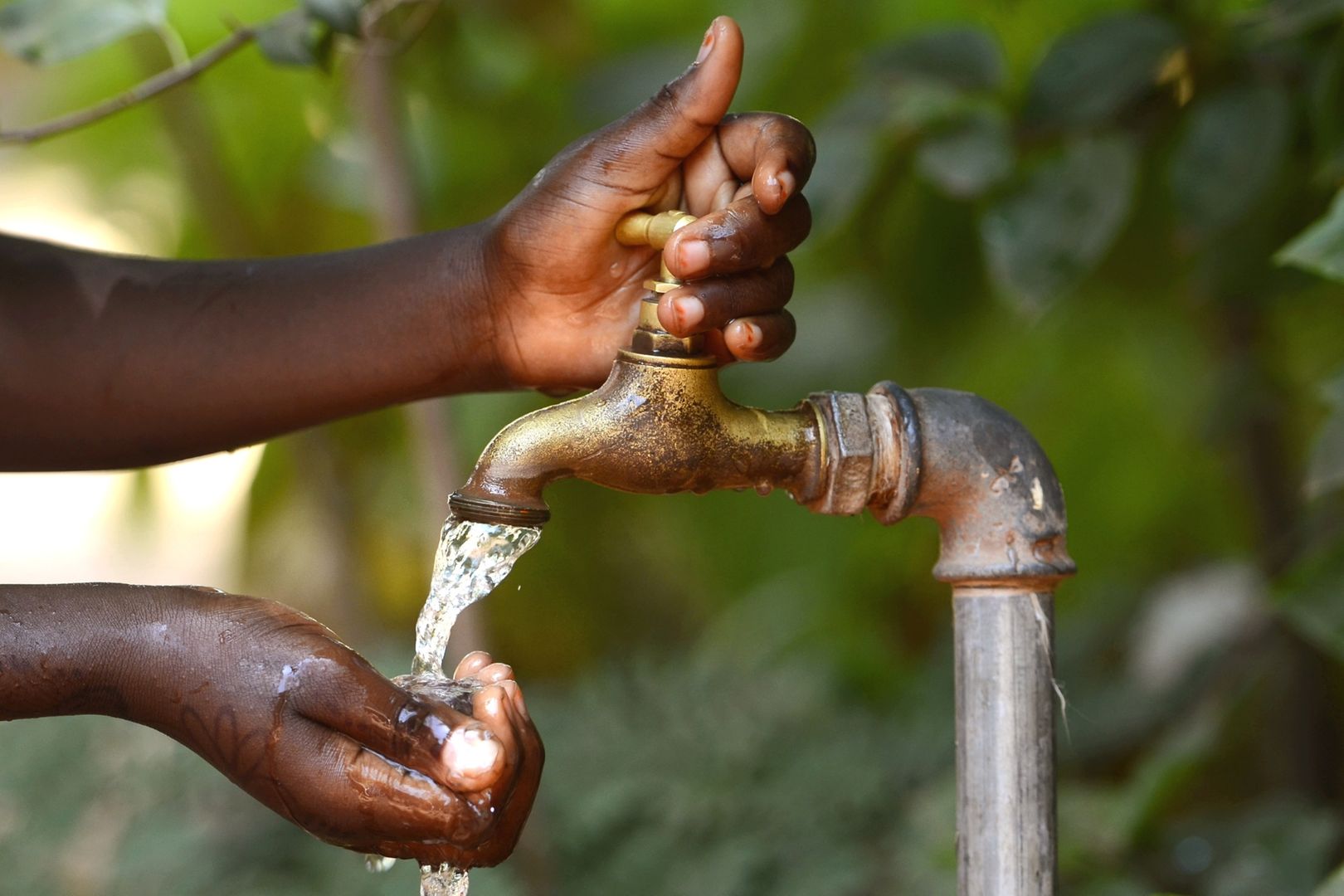
Across Peace and Love (Ayikoi Otoo enclave), Adrablabi Street, Dawda Street, Dandinas, Addogon, Maggie Gates, Dr. Obeng’s gate, St Augustine Anglican Church area, and Baatsona (Octopus area), residents report long periods without water or, at best, brief and weak flow that stops before households can store enough for daily use.
Many residents say they stay awake late into the night in anticipation of water, only to wake up to dry taps. In some neighbourhoods, water arrives briefly with such low pressure that it fails to reach homes at the far ends of distribution lines, leaving entire streets without supply even when nearby areas receive some flow.
The situation has placed immense strain on daily life. Families now rely heavily on water vendors and sachet water for basic needs, increasing household expenses. For businesses, the situation is affecting operations, hygiene standards and customer service, forcing many to either cut back or incur additional costs to stay open.
The current crisis is closely linked to the continued shutdown of the Teshie–Nungua Desalination Plant, a key facility designed to supply potable water to the eastern coastal belt of Accra. The Ghana Water Limited (GWL) shut down the plant in October 2025, citing unresolved contractual challenges and critical maintenance concerns. Subsequent reports have also pointed to outstanding debts and funding gaps, which have kept the facility offline months later.
Although GWL has implemented a water rationing schedule, residents say the arrangement has not translated into meaningful relief. Several communities listed on the timetable report receiving no water on their scheduled days, while others experience inconsistent and uneven supply, reinforcing concerns about fairness and distribution efficiency.
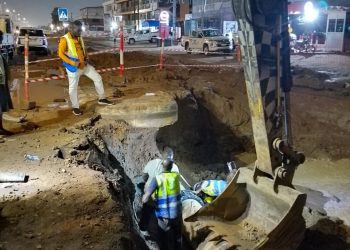
Authorities have repeatedly assured residents that engineers are working on the network and that efforts are underway to improve pressure and restore flow to underserved areas. GWL has also indicated that it is working toward resolving the issues surrounding the desalination plant, with recent timelines suggesting a possible resolution by the end of January 2026.
However, for many residents, these assurances are met with growing scepticism. They point to earlier timelines that passed without improvement and insist that promises must now be matched with visible results, steady water flow, not explanations.
Beyond inconvenience and economic cost, public health concerns are also mounting. Prolonged water shortages are affecting sanitation in homes and raising hygiene risks, particularly for households with children, the elderly and persons with health conditions. Some clinics in the enclave have also raised concerns about maintaining proper hygiene without reliable water supply.
As the end-of-January deadline approaches, communities across the Teshie–Nungua enclave say their expectations are simple but urgent: clear communication, fair distribution, and the restoration of reliable water supply. Until then, residents and businesses remain caught in a daily struggle for a resource they say should never be uncertain: clean, accessible water.