The Ghana Tourism Authority (GTA) has pledged intensified engagement with hospitality service providers as restaurant and food joint operators raise concerns over service standards, regulatory burdens, and the rising cost of doing business.
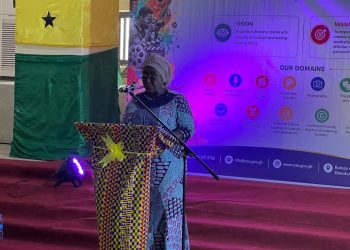
Speaking at a stakeholders’ engagement forum with restaurant, fast food, and food joint operators, the Deputy Chief Executive Officer of the GTA, Mr. Ben Anane Nsiah stressed that tourism development requires continuous dialogue and a coordinated approach among government agencies and industry players.
According to him, the Authority is working to address concerns including multiple taxes, overlapping regulatory charges, and service quality expectations while ensuring businesses remain profitable and competitive.
“We are like a referee in the sector protecting consumers while also ensuring that businesses thrive. Together, we will engage leadership and relevant agencies to smooth the playing field,” Mr. Nsiah said.
He noted that tourism service standards are constantly evolving due to global trends and the expectations of international visitors, making training and retraining essential.
“No matter how good we are today, there is always room for improvement. Tourists come with service standards they are used to elsewhere, and we must continually raise our game,” he explained.
As part of efforts to improve frontline service delivery, Mr. Nsiah revealed that the GTA will expand training programmes this year to include restaurant workers, ride-hailing drivers and front desk personnel who interact directly with visitors.
The Authority will also strengthen its call centre to gather real-time feedback from tourists.
He further clarified that the official branding for Ghana’s festive tourism season remains “December in GH,” explaining that while the informal phrase “Dirty December” gained popularity, it carries negative connotations that do not reflect Ghana’s desired tourism image.
“Our focus is on promoting a vibrant, safe and culturally rich December experience that attracts the diaspora and international visitors,” he said.
On infrastructure and security, Mr. Nsiah highlighted the importance of inter-agency cooperation, noting that road repairs, street lighting and police deployment are often prioritised during major tourism periods to enhance visitor experience and safety.
Meanwhile, operators in the hospitality sector called for urgent harmonisation of government levies and inspection processes to ease what they described as excessive regulatory pressure.
Owner of Nududu Restaurant and Bar, Ms. Lilian Sonia Agbaga, said the forum had revived interest in industry associations such as the Ghana Hotels and Restaurants Association, encouraging operators to unite and speak with one voice.
She expressed concern over overlapping duties by agencies such as the Environmental Protection Agency (EPA), District Assemblies, Food and Drugs Authority (FDA), Ghana Tourism Authority, Ghana Revenue Authority and the Fire Service, all of which conduct similar inspections while charging separate fees.
“For instance, EPA and Environmental Health officers from the Assembly inspect the same hygiene conditions and staff health certificates, yet we pay both every year. These agencies are literally doing the same work,” she stated.
Ms. Agbaga listed numerous levies and operational costs including business operating permits, environmental assessments, VAT, property tax, utility bills, fumigation, laboratory tests, fire safety renewals, insurance, generator fuel and maintenance due to erratic power supply.
She described the duplication of regulatory roles as a form of extortion that significantly increases the cost of running hospitality businesses.
“These responsibilities should be consolidated under one agency, such as the FDA, with reports shared among institutions. That will reduce costs and make compliance easier,” she suggested.
Ms. Agbaga also raised concerns about emerging requirements such as compulsory vaccinations for food handlers and increasing inspections by additional agencies, urging clearer legal frameworks and better coordination.
While stressing that the GTA itself was not responsible for the levies, she called on the Authority to use its oversight role to harmonise regulatory operations across government institutions.
The engagement ended with renewed commitments from both the GTA and hospitality operators to strengthen collaboration, improve service standards and push for regulatory reforms aimed at building a more competitive and business-friendly tourism sector in Ghana.
Story by Osman Issah Abadoo