Ghana is making significant progress in the fight against malaria, recording a steady decline in deaths and hospital admissions, but experts warn that critical funding gaps could derail efforts to eliminate the disease by 2028.
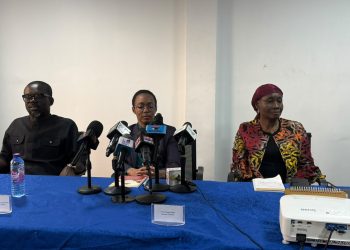
This was revealed by the Deputy Programme Manager of the National Malaria Elimination Programme (NMEP), Dr Nana Yaw Peprah, during a presentation at the World Malaria Day 2026 press briefing.
Deaths and admissions decline
According to data presented, malaria-related inpatient deaths dropped sharply from 146 in 2023 to 74 in 2024, and further to 52 in 2025, reflecting a sustained downward trend.
Similarly, malaria admissions per 100,000 population declined significantly from 1,396.5 in 2023 to 992.2 in 2025, with total admissions reducing from over 448,000 to about 334,000 within the same period.
Health authorities attribute the gains to intensified interventions including the widespread distribution of insecticide-treated nets (ITNs), indoor residual spraying, improved diagnostics, and expanded treatment coverage.
Ambitious elimination targets
Under Ghana’s National Malaria Strategic Plan (2024–2028), the country is targeting:
- 90% reduction in malaria deaths
- 50% reduction in malaria incidence
- Elimination of malaria in 21 districts
However, current data shows that while mortality reduction is on track, progress towards reducing case incidence and achieving district-level elimination remains uneven.
Vaccine rollout shows promise
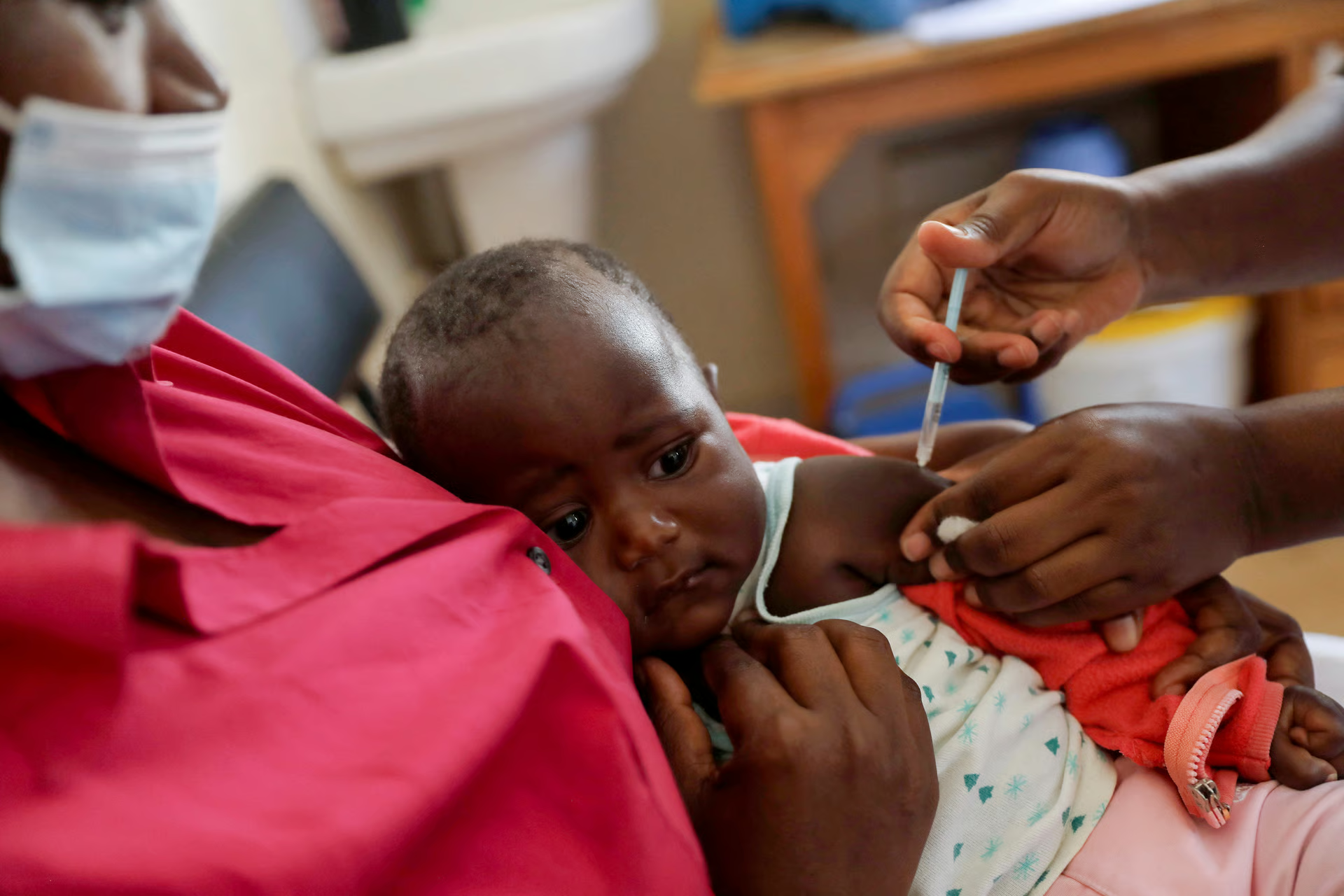
Ghana’s malaria vaccination programme is also gaining ground, with coverage reaching:
- 78.3% for first dose
- 75.2% for second dose
- 74.9% for third dose
However, uptake drops to 58.4% for the fourth dose, highlighting challenges in completing the vaccination schedule.
More than 6.3 million doses have been administered across 136 districts, targeting nearly 600,000 children annually.
Funding gaps raise concern
Despite the progress, Dr Peprah warned that inadequate funding across key interventions remains a major threat.
Several critical programmes—including mass drug administration and expanded surveillance—are either underfunded or have no funding at all.
“We have the tools, the knowledge and the strategy, but without sustained investment, the gains could be reversed,” the data suggests.
Malaria still a major economic burden
Beyond health, malaria continues to weigh heavily on Ghana’s economy. The disease is estimated to cost the country between 1% and 2% of GDP annually, with:
- Businesses losing about $6.58 million each year due to reduced productivity
- Households spending nearly $379.9 million annually on treatment and prevention
- Overall productivity losses estimated at $427.7 million
Strong case for investment
Health officials argue that investing in malaria elimination will yield massive returns. Projections show that:
- Eliminating malaria could generate $32 billion in economic gains
- Save over 4,500 lives
- Prevent more than 85 million cases
Conversely, reduced funding could lead to 38.2 million additional cases, 2,500 deaths, and $14.1 billion in economic losses.
Call for national action
Dr Peprah stressed that eliminating malaria will require a multi-sectoral approach, involving government, private sector, communities, and the media. Key recommendations include:
- Increasing domestic financing for malaria control
- Strengthening surveillance and data systems
- Promoting consistent use of mosquito nets
- Enhancing community ownership and behavioural change
“Ending malaria requires moving beyond the health sector alone,” he emphasised.
Challenges remain. Among the key challenges identified are:
- Gap between mosquito net ownership and actual use
- Resistance to insecticides
- Supply chain disruptions for malaria commodities
- Limited resources for advocacy and community engagement
Conclusion
While Ghana’s progress signals that malaria elimination is within reach, experts warn that the next phase will require stronger investment, behavioural change, and sustained national commitment.
“The goal of a malaria-free Ghana is achievable, but only if all sectors act now,” Dr Peprah concluded