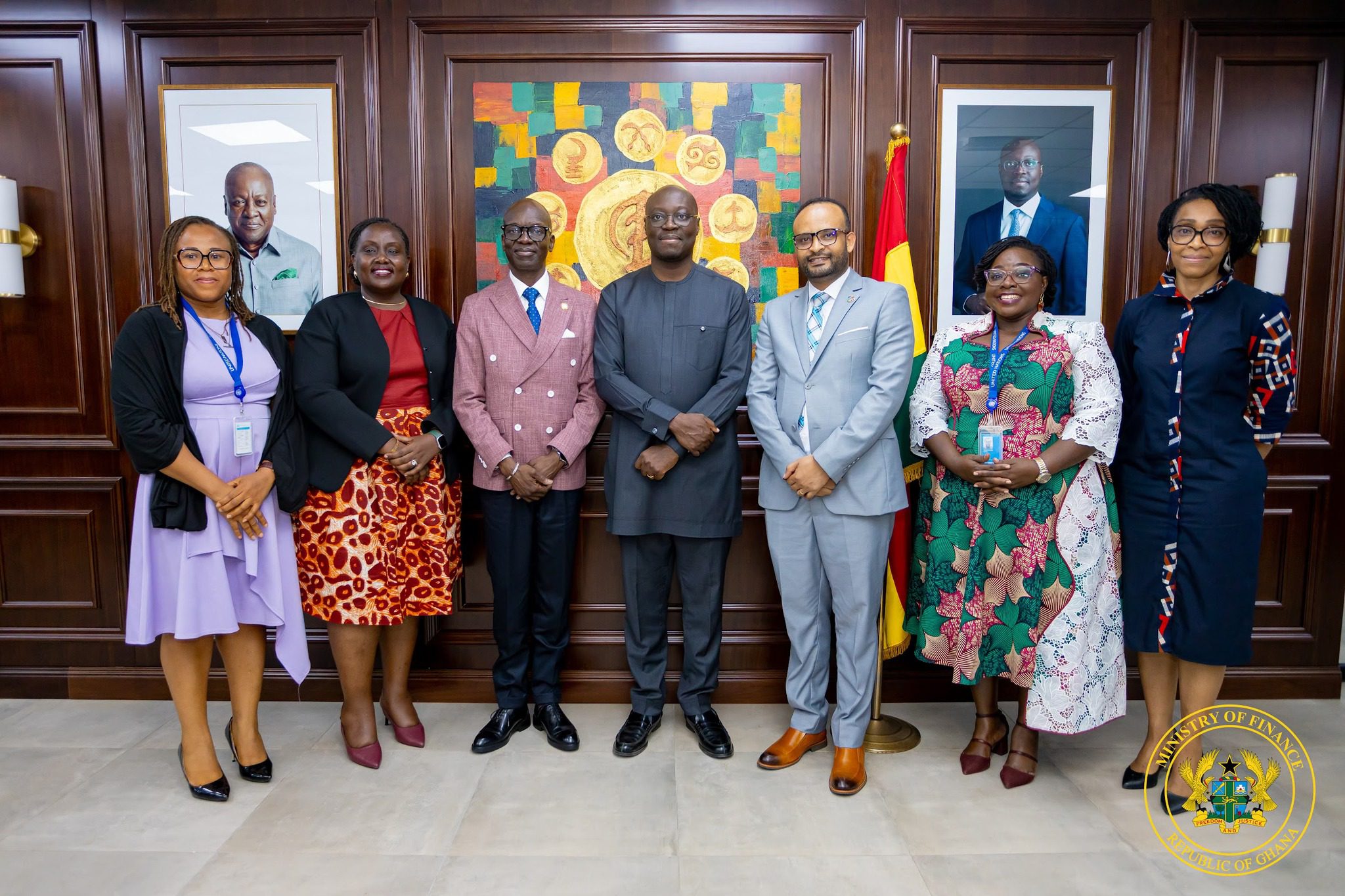
The Minister for Finance, Dr Cassiel Ato Forson, has reiterated government’s commitment to strengthening Ghana’s healthcare system, revealing that major reforms are already underway to improve healthcare financing, expand access, and prepare the country for future health challenges.
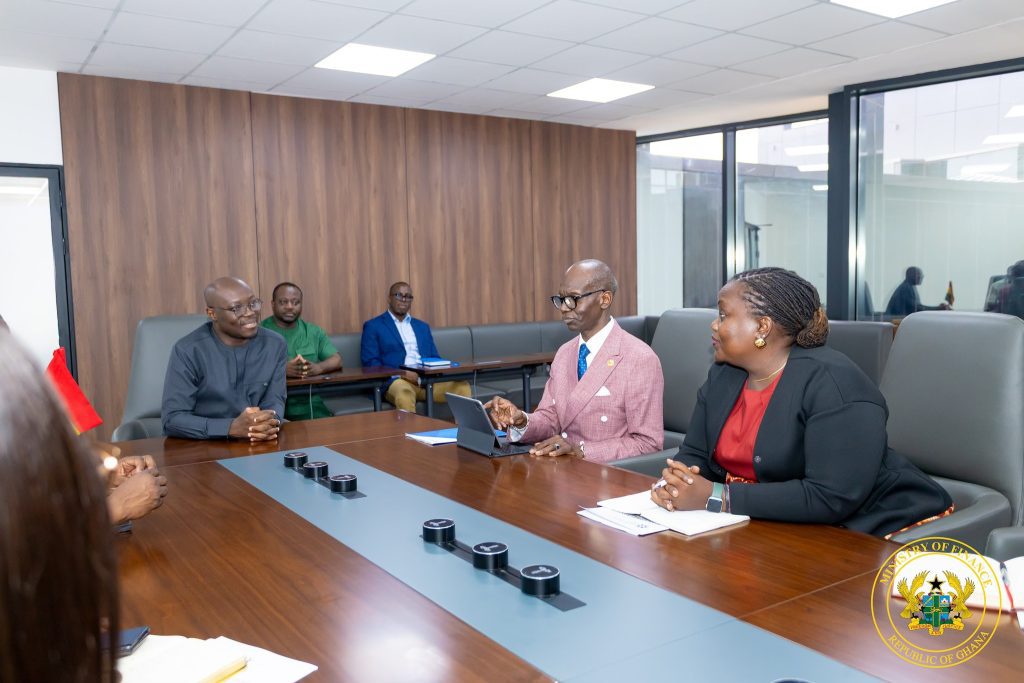
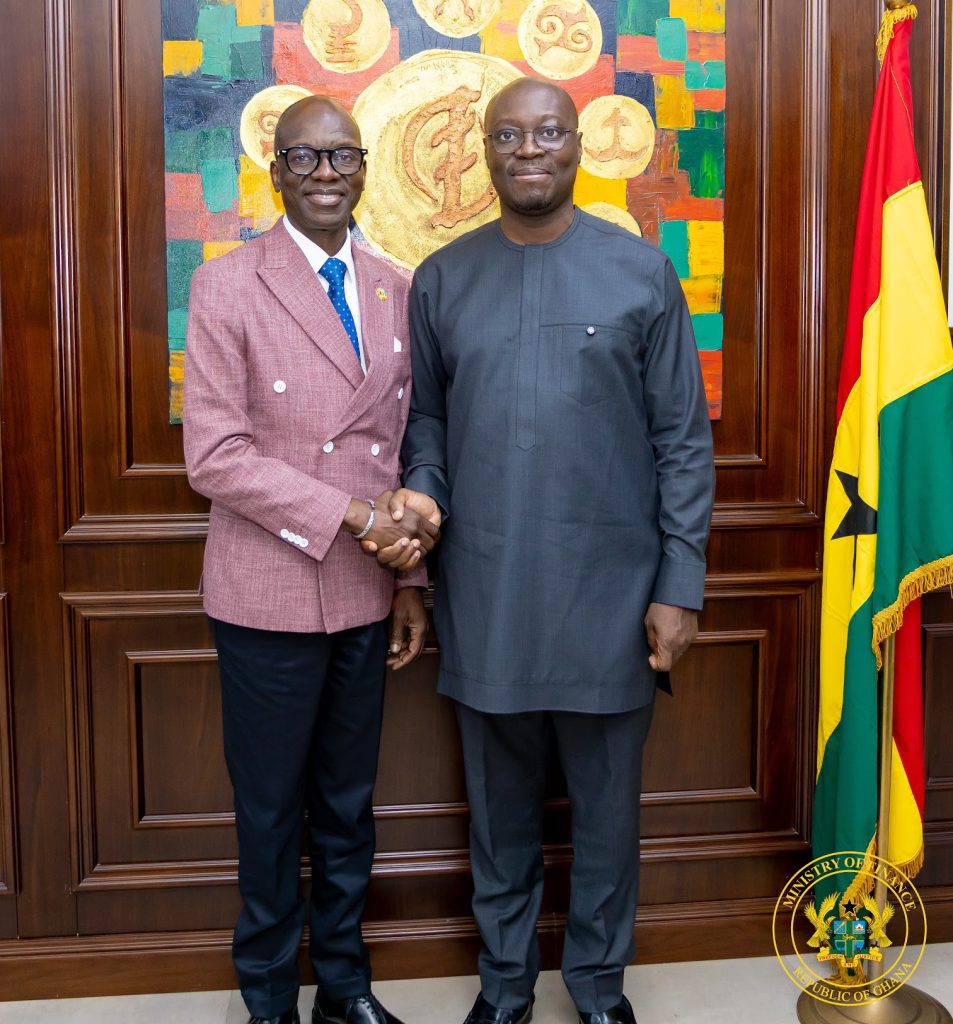
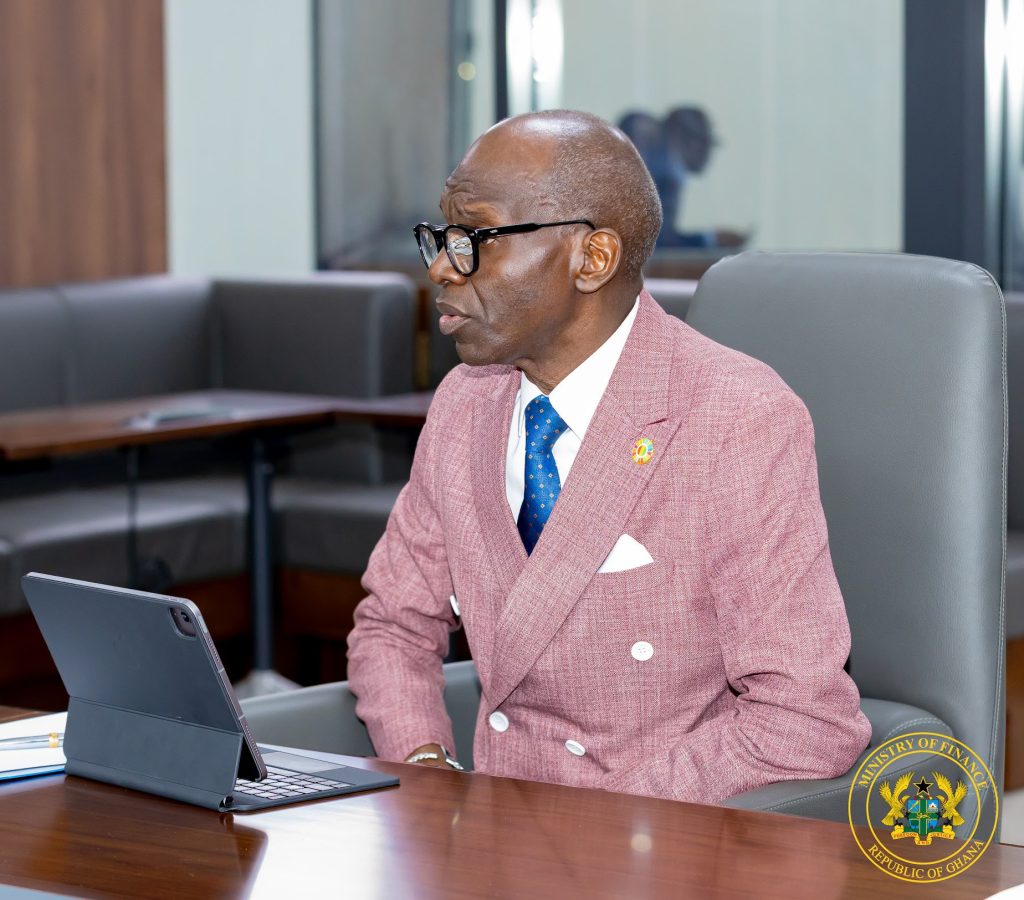
The finance minister made the remarks during a meeting with the World Health Organization (WHO) Regional Director for Africa, Dr Mohamed Yakub Janabi, where discussions focused on improving healthcare delivery and building a more resilient health system.
According to Dr Forson, government’s priority is no longer only to increase life expectancy but also to ensure a better quality of life for Ghanaians.
“Our focus must now go beyond long life to ensuring quality life for our people,” he stated.
He explained that since 2025, government has implemented a series of reforms within the health sector, including increased budgetary releases and the uncapping of the National Health Insurance Levy to ensure adequate funding for healthcare services.

Dr Forson noted that the National Health Insurance Authority (NHIA) is now receiving its full allocations, which are being ring-fenced strictly for health-related activities.
The finance minister also highlighted growing concerns over non-communicable diseases such as hypertension, diabetes, cancer, and kidney-related illnesses, indicating that government is increasing investments to tackle the burden.
He pointed to the establishment of the Ghana Medical Trust Fund and specialised non-communicable disease units as part of efforts to improve treatment and care for affected patients.
The recent launch of the Free Primary Healthcare Programme, he added, forms part of broader plans to improve preventive healthcare and expand access to basic medical services across the country.
Dr Forson further disclosed that government is preparing for the gradual withdrawal of Global Fund support for vaccines and critical medicines by 2029.
According to him, measures are already being put in place to ensure that from January 2030, Ghana fully finances its vaccines and essential medicines through domestic resources.
The WHO Regional Director for Africa, Dr Mohamed Yakub Janabi, commended Ghana for the progress made in strengthening its health system and improving healthcare financing.
He stressed that a healthy population remains essential for economic productivity and sustainable development.
Dr Janabi also called for stronger investment in local pharmaceutical and vaccine production across Africa to reduce dependence on imports and improve the continent’s health security.
He further urged African governments to intensify efforts in tackling non-communicable diseases, which continue to place growing pressure on healthcare systems across the continent.
The discussions form part of broader engagements aimed at deepening collaboration between Ghana and the WHO to strengthen healthcare delivery, improve health outcomes, and build a more sustainable and self-reliant health sector.