Ghana’s drive to position itself as a leading digital innovation hub in Africa has received a major endorsement from senior executives at Microsoft, with strong backing for the government’s flagship One Million Coders programme aimed at equipping the youth with critical digital and artificial intelligence skills.
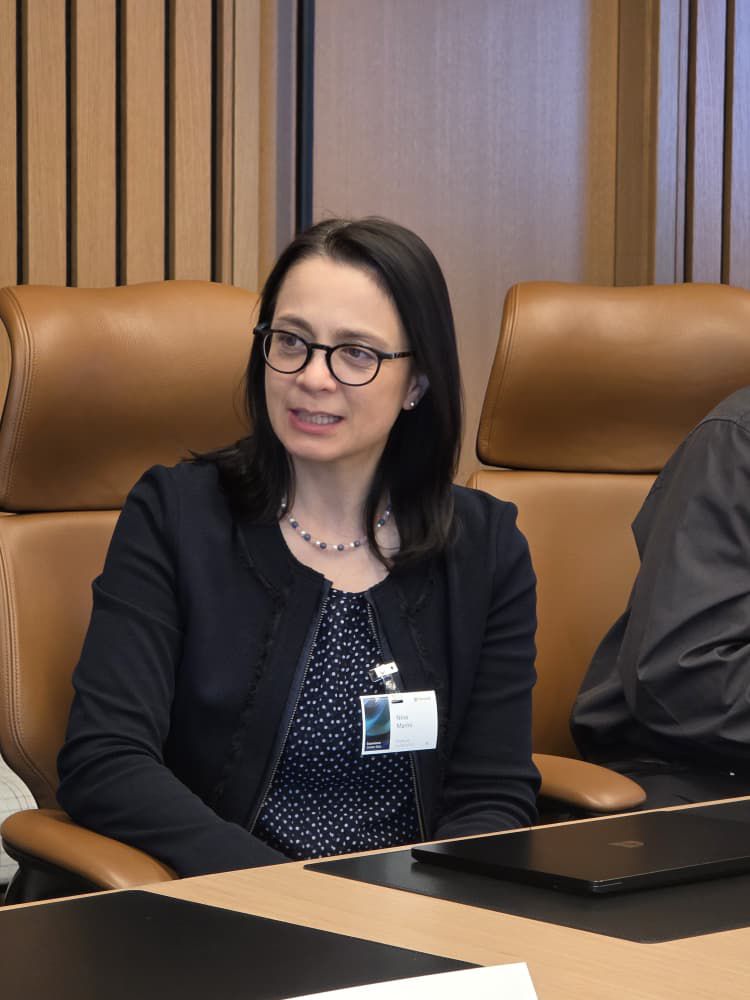
During a high-level engagement at Microsoft’s headquarters in Redmond, Washington State, Director at Microsoft Headquarters and co-founder of Ashesi University, Nina Marini, praised Ghana’s vision to train one million young people in coding and emerging technologies, describing the initiative as a strategic investment in the country’s future workforce.
She noted that Ghana possesses a strong youthful population capable of competing globally if given the right technological support and opportunities.
The discussions formed part of broader diplomatic and investment engagements led by Ghana’s Ambassador to the United States, Victor Emmanuel Smith, who outlined government’s commitment to youth empowerment, artificial intelligence, cybersecurity and digital transformation.
According to Marini, Ghana’s proposed One Million Coders initiative aligns strongly with Microsoft’s innovation ecosystem and global digital learning tools.
“By combining initiatives like One Million Coders, Microsoft Learn, and Microsoft Startups, we can build an economy of innovation and engineering to develop the next generation of innovators,” she stated.
The endorsement is expected to boost government’s efforts to deepen partnerships with global technology firms as it seeks to expand opportunities for young people in the digital economy.
Reflecting on the founding vision of Ashesi University, Marini stressed the importance of building ethical and entrepreneurial leadership across Africa, saying the institution was established to produce critical thinkers and solution-driven innovators rather than graduates focused only on securing jobs.
“The premise of the university was to train a new generation of leaders who are entrepreneurial, who are ethical, to help lead Ghana and the continent,” she said.
She further described the rise of artificial intelligence and emerging technologies as a major opportunity for Ghana to take a leadership role in Africa’s digital future.
Also speaking during the engagement, Microsoft Security investigator Peter Anaman underscored the urgent need for Ghana to equip its youth with AI and cybersecurity skills to address emerging digital threats while driving innovation.
He warned that cybercrime is becoming increasingly sophisticated globally and called for responsible use of AI technologies among young innovators.
“We need to work on how we empower our youth to use AI to develop new solutions,” he said.
Anaman added that tools such as Microsoft Copilot and other AI platforms could help accelerate innovation and problem-solving if deployed strategically, while stronger collaboration between governments and technology companies remained essential.
He expressed optimism about future cooperation between Ghana and Microsoft, particularly in areas involving cloud technology and digital infrastructure.
“The conversation showed a lot of promise for the ways Microsoft and Azure can help Ghana achieve its goals around enabling the people of Ghana to meet their goals within the country,” he added.
Story by Osman Issah Abadoo