In a move to improve hygiene and academic focus within the municipality, the Ayawaso West Municipal Assembly has officially commissioned a new mechanized borehole at the University Staff Village School.
The project is part of the broader “Legacy Project” initiative aimed at providing sustainable water solutions to educational institutions. Similar facilities were simultaneously handed over to the Abelingpe Basic School and the Roman Ridge Prison School.
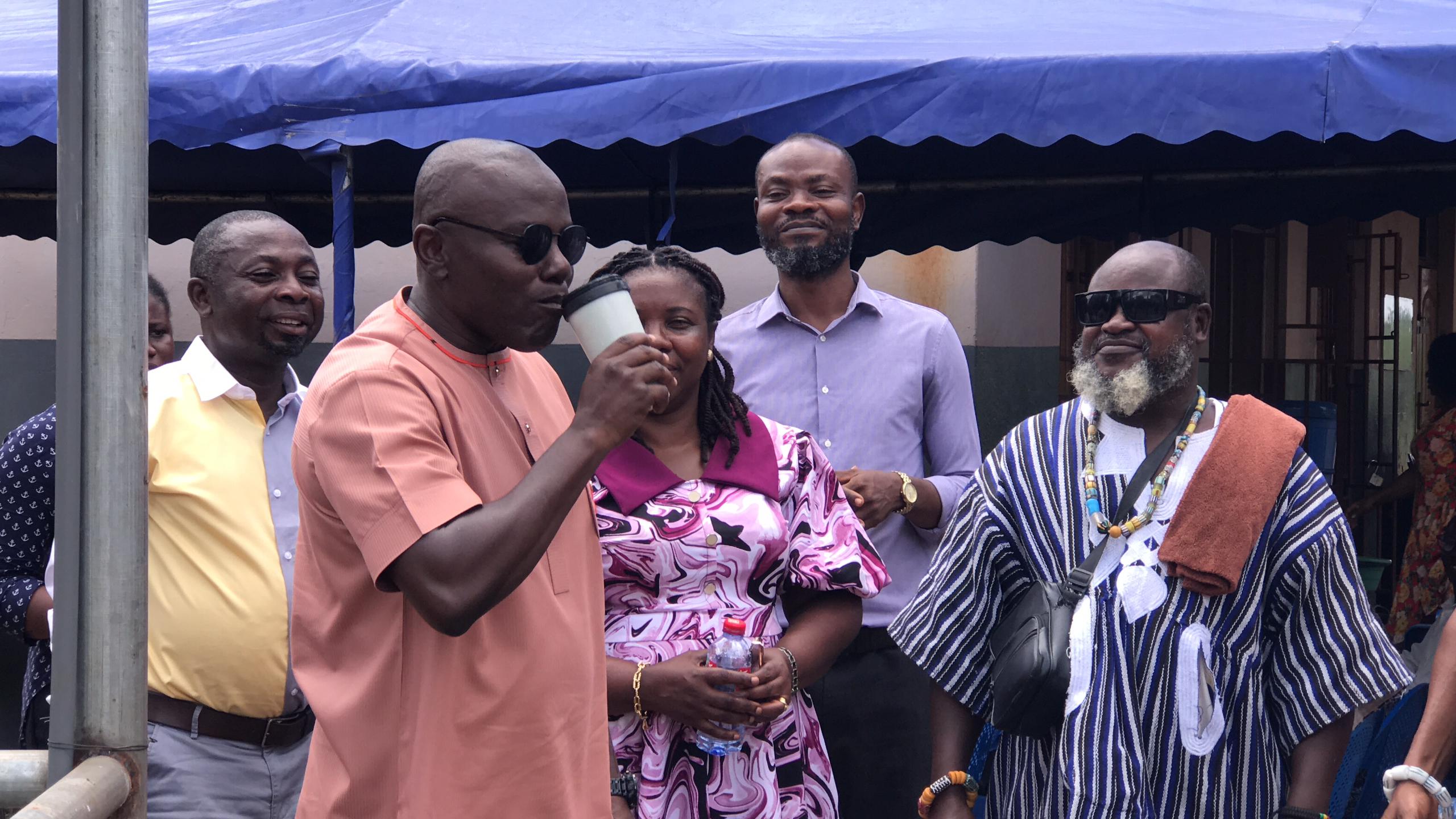
Speaking at the commissioning ceremony, Michael Mensah expressed deep satisfaction with the project’s completion, describing it as a “dream come true” for the beneficiary schools. He lauded the efficiency of the execution, noting that the contractor delivered the project on schedule despite the challenges often associated with public works.
”It is our responsibility to provide them with water facilities, and we have done that,” Mensah stated. “Sometimes you award a contract and the contractor delays, or you don’t get it done. But this one has been done on time, and we are happy that this project has been commissioned today.”
Addressing concerns regarding the sustainability of the infrastructure, he assured the public that a strict maintenance culture would be enforced. The Assembly plans to implement a six-month servicing schedule to ensure the boreholes remain in optimal condition for the long term.
The commissioning at Legon is only the beginning of a wider sanitation drive. Mensah revealed that the Assembly has already broken ground for 13 additional boreholes across all electoral areas within the municipality. This expansion ensures that every electoral area will soon benefit from improved water access. Beyond water, the Assembly is also tackling waste management by handing over 11 large refuse containers to various areas this week to promote municipal sanitation.
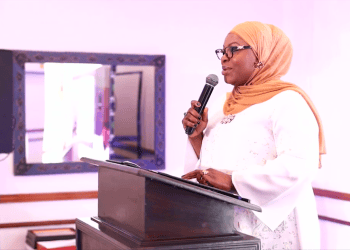
For the school administration, the new borehole marks the end of a long period of water insecurity. Elizabeth Agamah, the headmistress of the University Staff Village School, highlighted that while the school had access to piped water, the supply was notoriously erratic, often leaving the campus dry for entire weeks.
”This is a very big relief to the school administration and students. This time, we will relax,” Agamah remarked. “We know that our sanitation will improve because we use water for almost everything, including the washrooms.”
She emphasized the health implications of the project, noting that reliable water access would encourage regular handwashing and improve overall student health. To ensure the facility’s longevity, Agamah confirmed that teachers have been assigned to supervise the students’ use of the water and enforce strict regulations to help sustain the borehole and to improve on their maintenance culture.
While expressing deep appreciation for the Assembly’s recent support, which included the provision of modern furniture for teachers, the headmistress took the opportunity to highlight other pressing needs. She specifically appealed for the fencing of the school boundaries to improve security, as well as the provision of computers for the ICT lab, more desks for students, and the renovation of classrooms where windows and flooring have deteriorated.
In response, Michael Mensah confirmed that the Assembly has already prioritized the fencing project and the construction of a new canteen, with completion targeted for the coming year. He concluded by reiterating that as funding becomes available, the Assembly remains committed to addressing the infrastructure gaps in other schools across the district.
Story By: Eugenia Ewoenam Osei