Real estate developer and media consultant Joe Anim has called for a strategic transformation of the Volta Lake into a major inland freight corridor, arguing that the move could significantly ease pressure on Ghana’s road network, reduce logistics costs, and strengthen trade with landlocked countries in the sub-region.
According to Mr. Anim, Ghana has yet to fully harness the economic potential of the Volta Lake, despite its strategic position as one of the country’s most important transport assets.
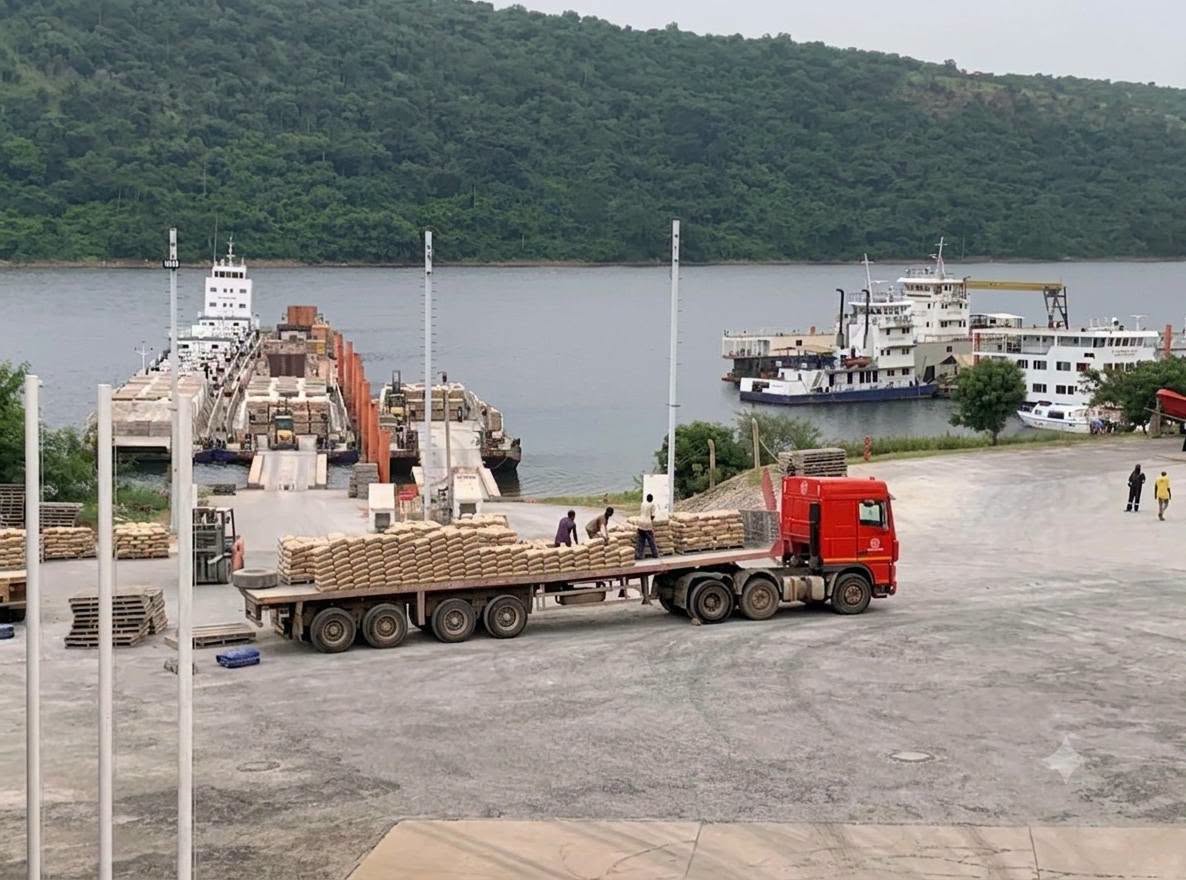
He proposed an integrated multimodal transport system in which containers arriving at the Port of Tema would be conveyed by rail to Mpakadan, transferred onto barges operating on the Volta Lake, and transported to Buipe for onward distribution to Tamale, Bolgatanga, Wa, Burkina Faso, Mali, and Niger.
The proposal aligns with the government’s broader transport infrastructure agenda, particularly the Tema–Mpakadan railway, which was developed to improve connectivity between the country’s principal seaport and the Volta Lake transport system, creating an alternative freight route to northern Ghana and neighbouring Sahelian states.
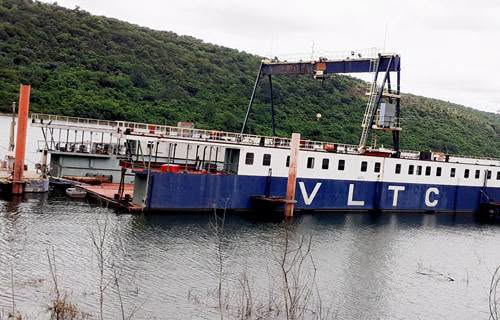
Mr. Anim observed that the Volta Lake Transport Company (VLTC), which has operated on the lake for more than five decades, already possesses valuable operational experience in inland water transport through the movement of cargo to Buipe.
He, however, argued that the transport system should be expanded into a fully integrated two-way logistics network rather than functioning primarily as a south-to-north freight route.
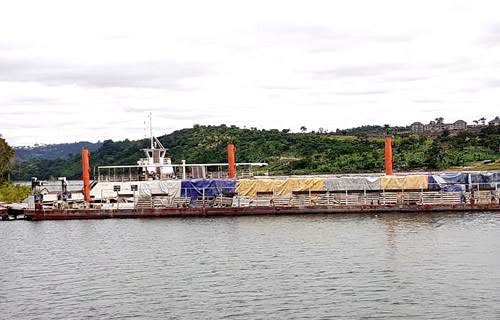
Under such an arrangement, agricultural commodities from northern Ghana; including yam, maize, rice, beans, onions, tomatoes, shea nuts, livestock, meat, mangoes, watermelon, cashew, and cotton could be transported efficiently to markets in Accra, Tema, and other commercial centres, while imported goods and industrial cargo move northwards.
Mr. Anim believes such a model would substantially reduce the volume of heavy-duty trucks on the Tema–Accra–Kumasi–Techiman–Tamale highway, lower transportation costs, improve food distribution, reduce road traffic accidents, preserve the country’s highway infrastructure, and stimulate employment across the logistics and transport value chain.
He further proposed that, over time, the Volta Lake Transport Company should transition into a regulatory and coordinating institution, creating space for greater private sector participation in barge operations, cargo handling, warehousing, and related logistics services.
According to him, leveraging the combined strengths of rail and inland water transport would not only enhance Ghana’s domestic supply chain but also position the country as a more competitive trade gateway for the wider West African region.
Mr. Anim maintained that with the necessary investment and policy direction, the Volta Lake could evolve from an underutilised national asset into a strategic economic corridor capable of driving regional integration, facilitating trade, and accelerating Ghana’s long-term economic transformation.