On July 26, 2025, Ghana lost one of its greatest musical icons. Charles Kwadwo Fosu, affectionately known as Daddy Lumba, left behind a catalog of songs that had become part of the country’s cultural fabric. One year later, his absence is still deeply felt, but his music continues to resonate in homes, on radio stations, at celebrations, and in the hearts of millions.
Few musicians have shaped Ghana’s musical landscape as profoundly as Daddy Lumba. Over a career spanning more than four decades, he released dozens of albums and hundreds of songs that explored love, heartbreak, hope, faith, ambition, and the complexities of everyday life. His ability to connect with listeners across generations made him more than a recording artist—he became a soundtrack to people’s lives.
Whether it was a wedding, a family gathering, a political rally, or a late-night drive, there was always a Daddy Lumba song that fit the moment. His music transcended age, social class, and geography, earning him a devoted following not only in Ghana but also among Ghanaians across the diaspora.
The past year has demonstrated that death has done little to diminish his influence. Radio stations continue to dedicate hours to his music, streaming numbers remain strong, and younger artists frequently cite him as one of their greatest inspirations. His songs have found new audiences, proving that timeless music can outlive its creator.
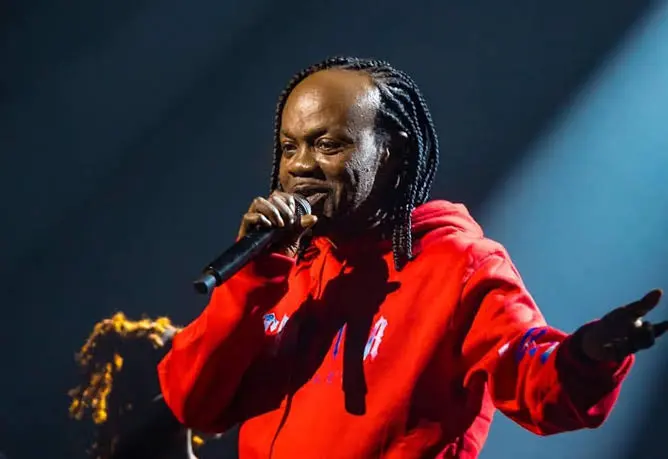
His legacy was further recognized when he received a posthumous Lifetime Achievement Award at the 2026 Telecel Ghana Music Awards. The tribute performance celebrating his remarkable career reminded many of the breadth of his musical genius and the countless hits he produced over the years.
Yet the first anniversary of his passing has not been without controversy. Public disagreements among some family members over plans to commemorate him have attracted attention, highlighting the challenges that can arise when preserving the legacy of a national icon. While such disputes have dominated headlines at times, they have done little to overshadow what most Ghanaians remember: the extraordinary music that united people across generations.
Daddy Lumba’s influence extends beyond the songs themselves. He transformed Ghanaian highlife by blending traditional rhythms with contemporary sounds, making the genre appealing to younger audiences while remaining authentic to its roots. His willingness to experiment musically and lyrically inspired a generation of musicians to push creative boundaries.
His lyrics often reflected life’s realities with honesty and emotional depth. He sang about love’s joys and disappointments, the pursuit of success, family relationships, spirituality, and resilience. These themes remain as relevant today as when they were first recorded, helping explain why his music continues to feel fresh despite the passage of time.
Perhaps the greatest measure of Daddy Lumba’s legacy is the way his music has become woven into Ghana’s collective memory. His songs are played at moments of celebration and sorrow alike, serving as emotional companions through life’s milestones. For many Ghanaians, memories of childhood, family, friendships, and significant life events are inseparable from his voice.
One year after his passing, Daddy Lumba’s physical absence is undeniable, but his artistic presence remains remarkably alive. Every familiar melody played on the radio, every chorus sung by fans, and every young musician inspired by his work serves as a reminder that true legends never really leave.
As Ghana reflects on the first anniversary of his death, the focus is not only on mourning an icon but also on celebrating a legacy that continues to shape the nation’s musical identity. Daddy Lumba may no longer stand on stage, but his voice still echoes across the country he loved and inspired.
One year on, his music lives. And through it, so does his legacy.
By: Eric Boateng