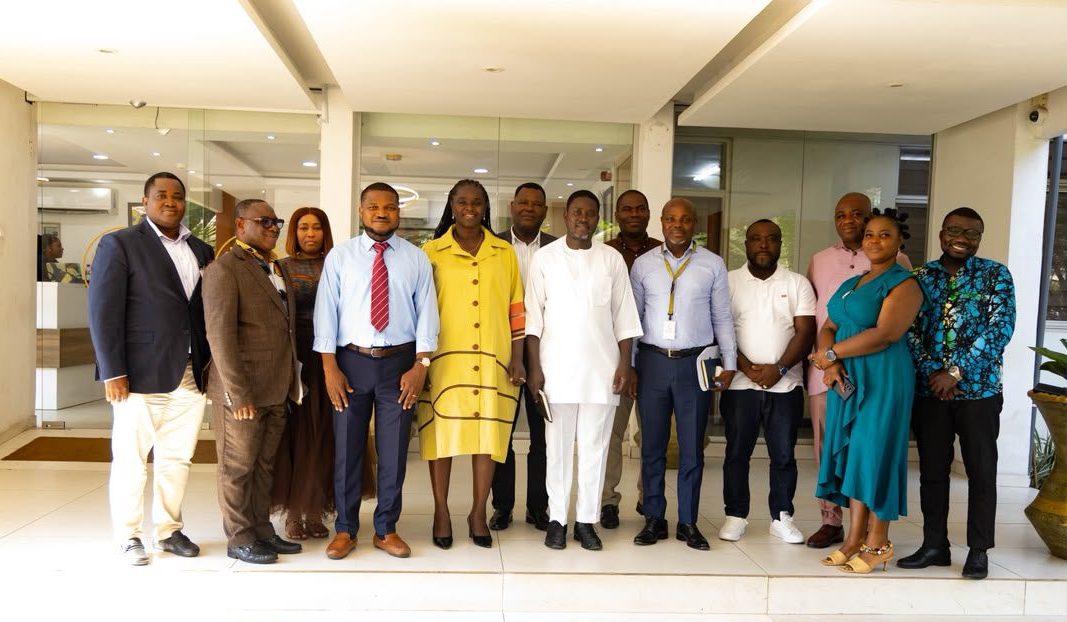
The Environmental Protection Authority (EPA) has engaged the Minerals Commission over plans to clean and desilt selected polluted rivers across the country as part of a national ecological restoration programme.
The engagement, held on Thursday, September 24, focused on how sand, minerals and other recoverable materials encountered during the exercise will be managed in accordance with Ghana’s mining laws.
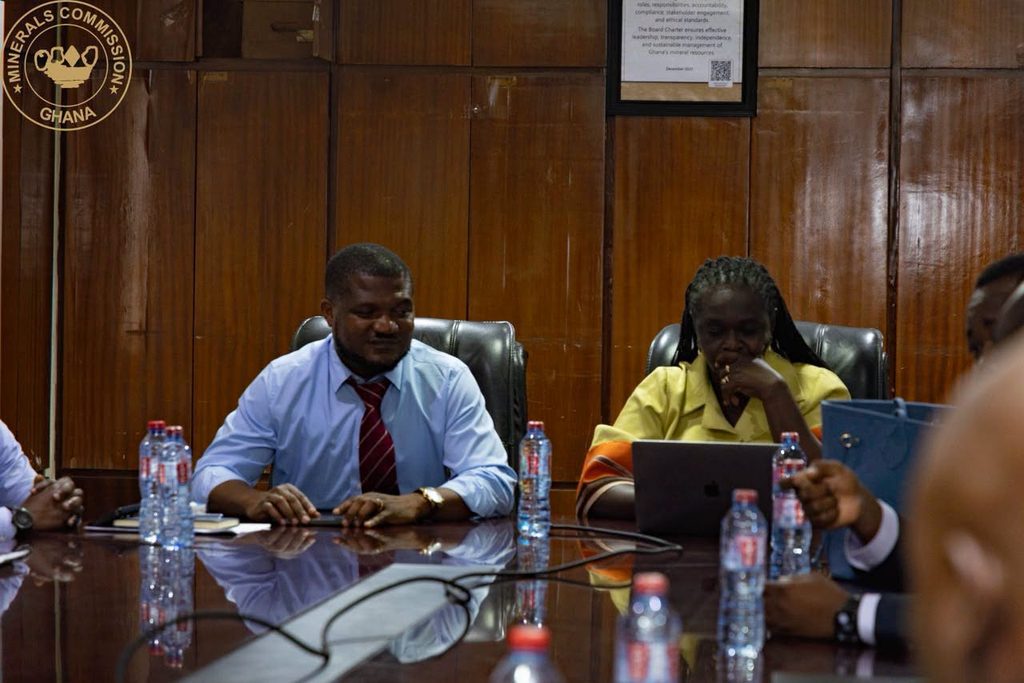
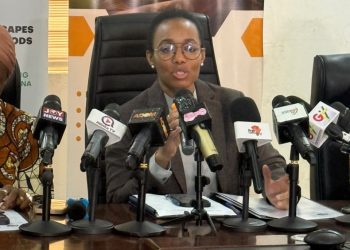
The EPA delegation, led by its Chief Executive Officer, Prof. Nana Ama Browne Klutse, sought technical guidance from the Minerals Commission on the appropriate framework for handling mineral-bearing materials that may be recovered during the desilting exercise.
Prof. Klutse explained that the programme is intended to remove accumulated silt, sediments, mining-related debris and other pollutants that have obstructed river channels and contributed to the deterioration of water quality.
She said the exercise forms part of efforts to restore the ecological integrity of degraded water bodies, improve their flow capacity and rehabilitate rivers affected by illegal mining and other human activities.
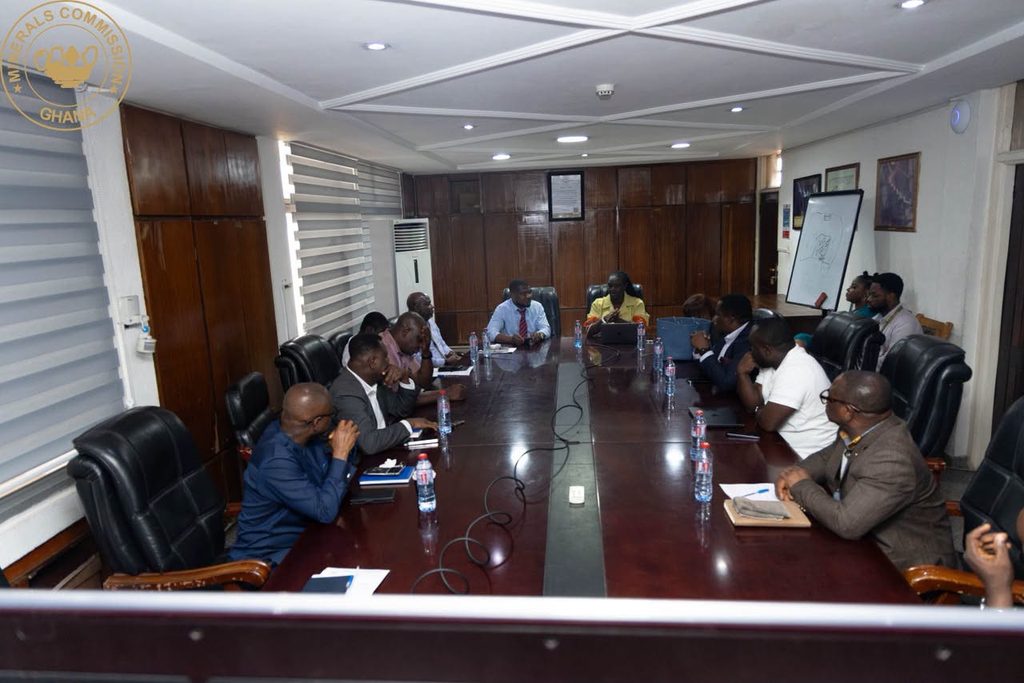
The EPA stressed that the exercise is not a commercial mining operation. According to the Authority, any mineral-bearing material or other recoverable substance encountered during the cleaning and desilting process will be managed strictly in accordance with existing laws, regulations and directives of the Minerals Commission.
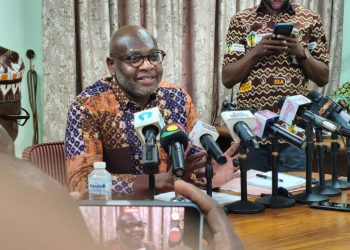
Chief Executive Officer of the Minerals Commission, Isaac Tandoh, expressed the Commission’s readiness to work with the EPA to develop the necessary operational framework, safeguards and monitoring mechanisms.
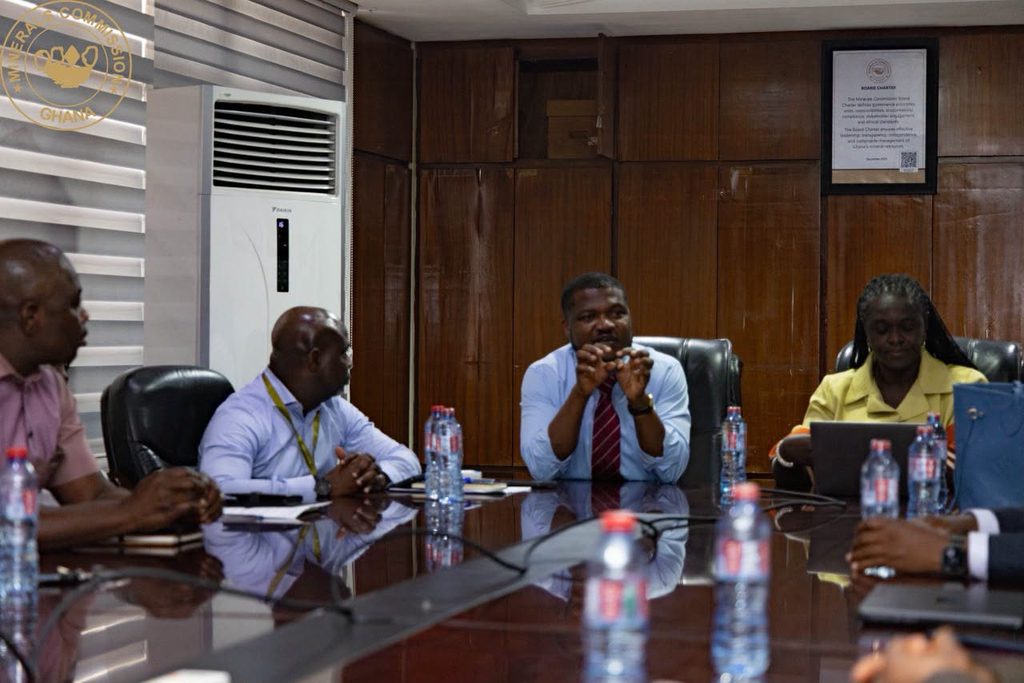
He said the collaboration would help ensure that the exercise remains transparent and focused exclusively on environmental restoration.
Mr Tandoh described the initiative as an important step towards safeguarding Ghana’s natural resources and restoring polluted water bodies for future generations.
He said the Commission will work closely with the EPA and other state institutions to protect and rehabilitate Ghana’s rivers.
Both institutions agreed to deepen their collaboration on the restoration of polluted water bodies and the protection of Ghana’s ecological resources.