Africa cannot continue surrendering the economic benefits of its natural resources while depending on an international financial system that places developing countries at a disadvantage, the Presidency has argued.
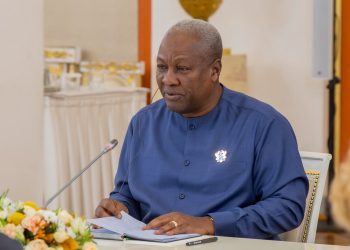
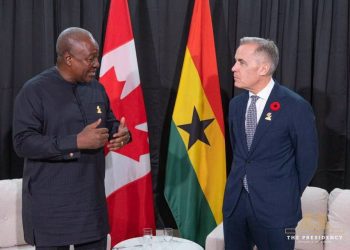
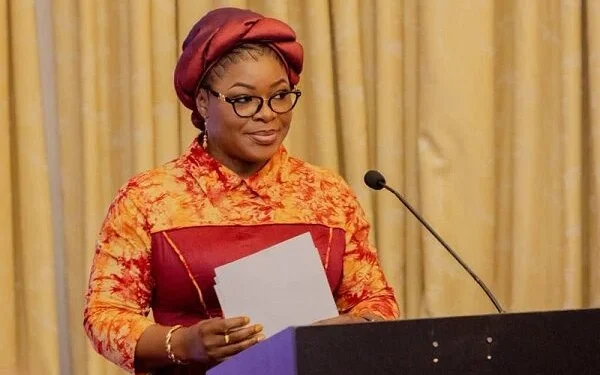
Deputy Presidential Spokesperson Shamima Muslim says President John Dramani Mahama is advancing a broader agenda to redefine African sovereignty, strengthen economic independence and secure the continent’s influence in shaping an emerging global order.
Speaking on Radio Gold, she explained that the President’s Accra Reset initiative seeks to confront structural inequalities in international trade, development financing and the exploitation of Africa’s natural resources.
According to her, the existing global economic system has left many developing countries borrowing at considerably higher costs than wealthier nations, despite facing greater development needs.
She argued that such inequalities had created a cycle of financial dependence that limited the ability of African governments to determine their own development priorities.
Ms Muslim maintained that the changing international order presented an opportunity for African countries to demand a stronger voice in global decision-making and pursue partnerships that reflected their sovereign interests.
She stressed that Africa must participate meaningfully in determining the rules and institutions that would govern future international economic relations.
The Deputy Presidential Spokesperson also identified greater control over natural resources as a critical component of the President’s economic vision.
Citing the establishment of the Ghana Gold Board, she argued that stronger oversight of the country’s gold sector had helped address leakages and improve foreign exchange inflows.
She maintained that the experience demonstrated the economic opportunities available when African countries developed effective systems to protect their resources and retain a greater share of their value.
Ms Muslim further warned against excessive dependence on foreign assistance, arguing that developing countries remained vulnerable when external partners could abruptly withdraw support from essential sectors, including healthcare.
Her comments reflect President Mahama’s recent appeal at the Financial Times Africa Summit in London for African economies to reduce aid dependence, strengthen domestic industries and mobilise resources to finance their own development.
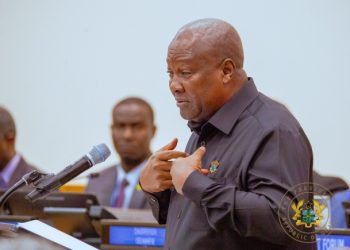
At the October 2026 Tana High-Level Forum in Ethiopia, the President similarly outlined the Accra Reset as a framework for expanding local processing of raw materials, building industrial capacity and strengthening food and energy sovereignty.
Ms Muslim noted that the initiative was ultimately about giving African countries greater control over their economic futures while establishing more equitable relationships with international partners.
She stressed that Ghana’s approach was intended to support a global system in which developing nations could exercise genuine sovereignty, benefit fairly from their resources and participate as equal partners in international economic cooperation.