Barbados Prime Minister Mia Amor Mottley has described 17th-century resistance leader King Cuffie as a freedom fighter and patriot who dared to challenge slavery, calling for stronger Ghana-Barbados solidarity anchored in their shared history.
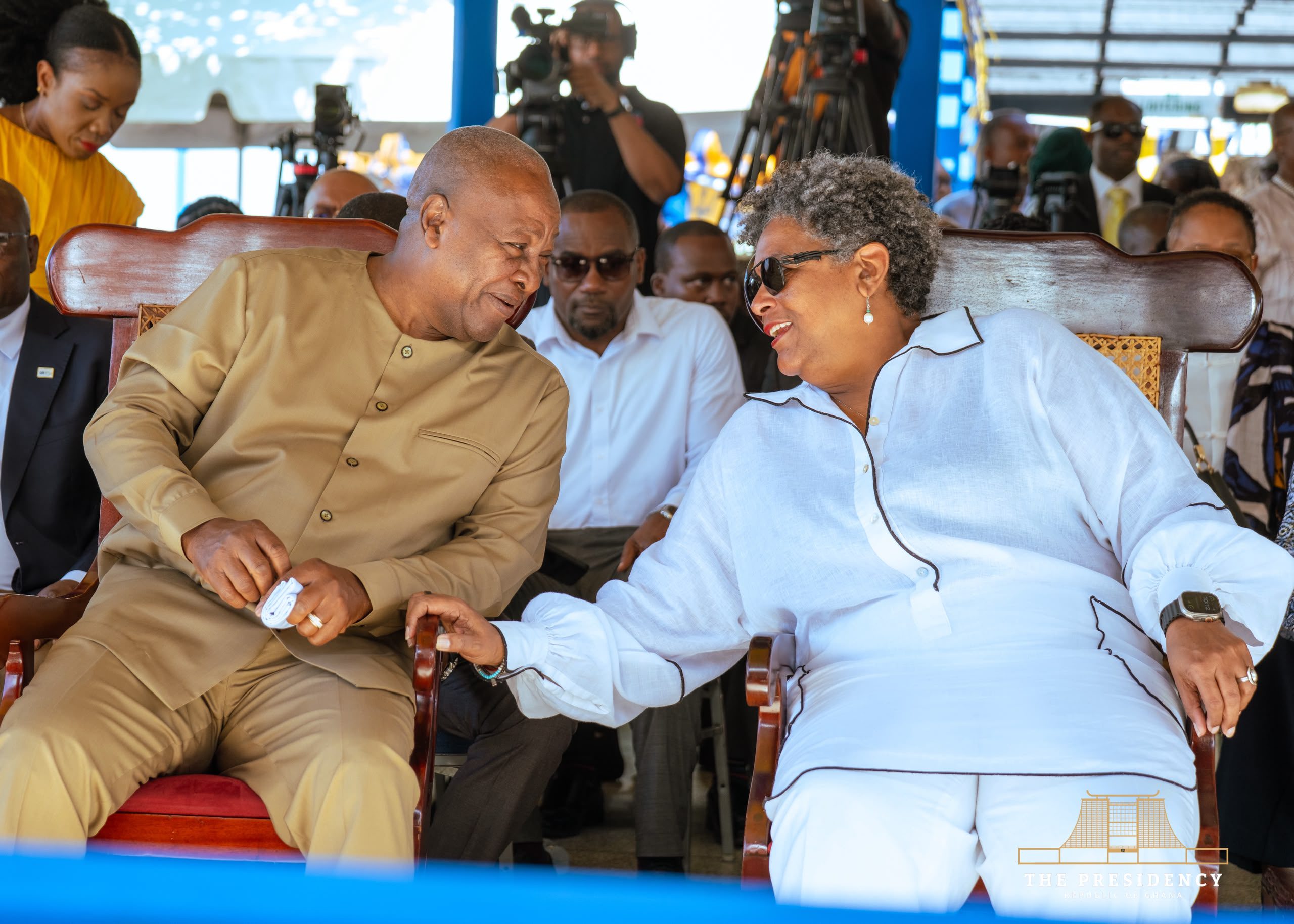
Speaking at a ceremony to unveil a statue of King Cuffie and formalise the twinning of Cape Coast in Ghana and Speightstown in Barbados, Ms Mottley said Cuffie, who was of Akan descent, played a significant role in the struggle against the oppressive plantation system in Barbados in 1675.
She said history must recognise Cuffie and his compatriots not as conspirators, as colonial records portrayed them, but as freedom fighters who risked their lives to challenge a system that treated human beings as property.
“King Cuffie and his compatriots were not conspirators. We see them as freedom fighters,” she declared.
According to her, Cuffie was a strategist and leader who refused to accept the dehumanisation of enslaved Africans and stood up for freedom at a time when the colonial system denied them their basic humanity.
Ms Mottley traced Barbados’ history of resistance from Cuffie’s uprising through subsequent struggles, including the 1816 rebellion led by Bussa and the movements of 1876, 1937 and 1961, which eventually paved the way for independence in 1966 and the country’s transition into a republic in 2021.
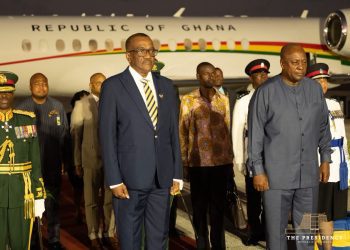
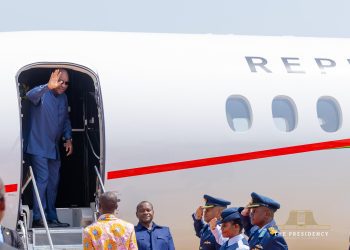
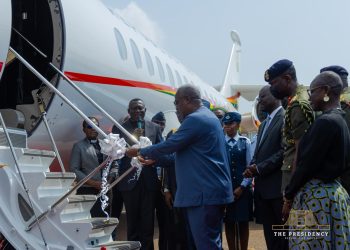
Welcoming President John Dramani Mahama to the ceremony during his state visit to Barbados, she said his presence demonstrated Ghana’s commitment to helping Barbados reclaim its historical and cultural connections with Africa.
She described the King Cuffie statue as a powerful symbol of the reconnection between Africa and the Caribbean, noting that the project, undertaken by Barbados’ Division of Culture in collaboration with Duke University, involved children in its creation.
She said the incorporation of children’s hands into the sculpture symbolised the determination of future generations to preserve their shared heritage.
The Prime Minister also welcomed President Mahama’s proposal for educational exchanges between Ghanaian and Barbadian schoolchildren, saying such engagements would strengthen their understanding of their common ancestry.
Invoking the Akan philosophy of Sankofa, meaning “go back and fetch it”, she urged both countries to reclaim their history without allowing the pain of slavery to define their future.
Ms Mottley further commended Ghana for its leadership in seeking international recognition of the transatlantic slave trade as a grave sin and advancing the global reparatory justice agenda.
She welcomed Barbados’ participation in Ghana’s Global Africa Commission on Reparatory Justice, stressing the need for structured and dignified discussions to address historical injustices and promote healing.
She argued that the consequences of slavery continued to influence global inequalities, including unequal access to markets and international decision-making platforms.
Concluding her remarks, Ms Mottley said the relationship between Ghana and Barbados must be guided by solidarity and a shared commitment to justice and development.
“There are two words that should forever embrace our journey: solidarity and Cuffie,” she said.
She added that although Cuffie was denied the crown he sought during his lifetime, the unveiling of the statue and the twinning agreement represented a greater fulfilment of his aspirations.
“We cannot give him that crown today, but we can give him something greater: a free people standing on this same ground, with his own people who have come across the waters from Cape Coast,” she said.
She concluded that through the twinning agreement, Cuffie’s dream of freedom and unity had become part of the shared destiny of Ghana and Barbados.
“His dream may have been deferred, but it is now forever our destiny,” Prime Minister Mottley declared.
Story: Patrick Asford Boadu