The Presidency has insisted that any apology from Britain for the transatlantic slave trade and colonial atrocities must be accompanied by concrete measures to address their enduring consequences, including systemic racism, economic inequalities and the restitution of African cultural heritage.
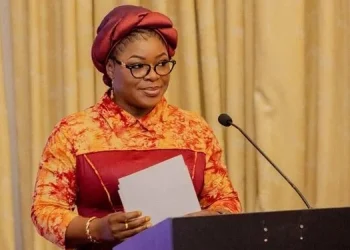
Deputy Presidential Spokesperson Shamima Muslim says Ghana welcomes indications of greater openness from British authorities towards acknowledging historical injustices, but maintains that expressions of regret alone cannot satisfy Africa’s demands for reparatory justice.
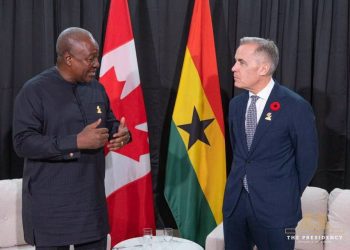
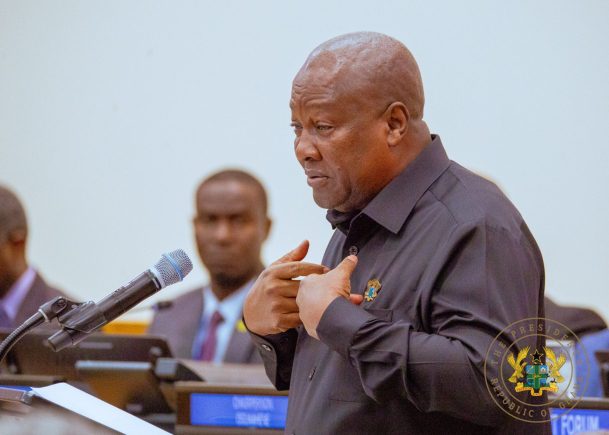
Speaking on Radio Gold, she explained that President John Dramani Mahama’s response to recent remarks attributed to British Prime Minister Andy Burnham was intended to establish a clear public record of the commitments being made as international discussions on reparations gather momentum.
According to her, the President wants governments and international institutions to be held accountable for their positions and any commitments arising from the ongoing dialogue.
Ms Muslim argued that Britain’s historical involvement in slavery and colonialism placed a particular responsibility on the country to engage meaningfully with Africa’s demands.
She noted that although Britain did not support the United Nations resolution on the transatlantic slave trade, recent statements from British leaders suggesting a willingness to acknowledge the past represented a development that should be encouraged.
She, however, stressed that a formal apology must explicitly recognise the gravity of the historical injustices and be followed by practical interventions.
The Deputy Presidential Spokesperson identified the return of looted cultural artefacts, investment in education, science, healthcare, youth development and climate resilience as important elements of the reparatory justice agenda.
She explained that the demands extended beyond direct financial compensation to include measures capable of addressing the structural disadvantages that continue to affect African countries.
Ms Muslim further called on Western governments to confront contemporary racism and discrimination against Africans, questioning the contradiction between historical exploitation and increasingly restrictive immigration policies.
She maintained that reparatory justice required honest engagement with both the historical crimes and their present-day consequences.
The Deputy Presidential Spokesperson also highlighted President Mahama’s role as the African Union’s champion on reparations and Chair of the Global Advisory Panel on Reparatory Justice, describing his advocacy as part of a sustained effort to build continental and international support.
She pointed to the Accra Next Step Summit as an important platform for translating international recognition of historical injustices into specific commitments and practical action.
According to her, the ultimate objective is to ensure that acknowledgement of the transatlantic slave trade leads to meaningful reforms and partnerships that address the continuing effects of slavery and colonialism.
Ms Muslim maintained that the President would continue pressing for a comprehensive approach to reparatory justice, insisting that the sincerity of any apology must ultimately be measured by the actions that follow.