President John Dramani Mahama has reaffirmed Ghana’s commitment to strengthening ancestral connections with the African diaspora, announcing that his administration is advancing the proposed Homeland Return Bill to provide an easier pathway to citizenship for people of African descent.
He said the proposed legislation would go beyond the existing Right of Abode framework and remove some of the bureaucratic obstacles confronting people of African descent who wish to reconnect with their ancestral homeland, settle, invest and become citizens of Ghana.
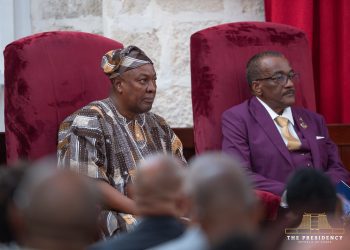
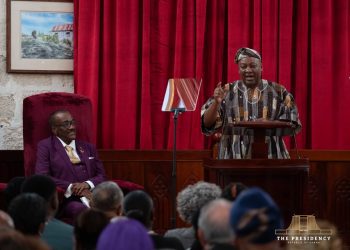
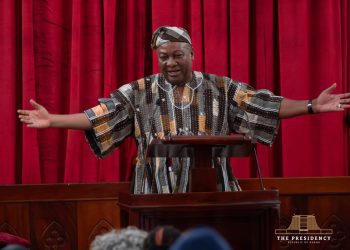
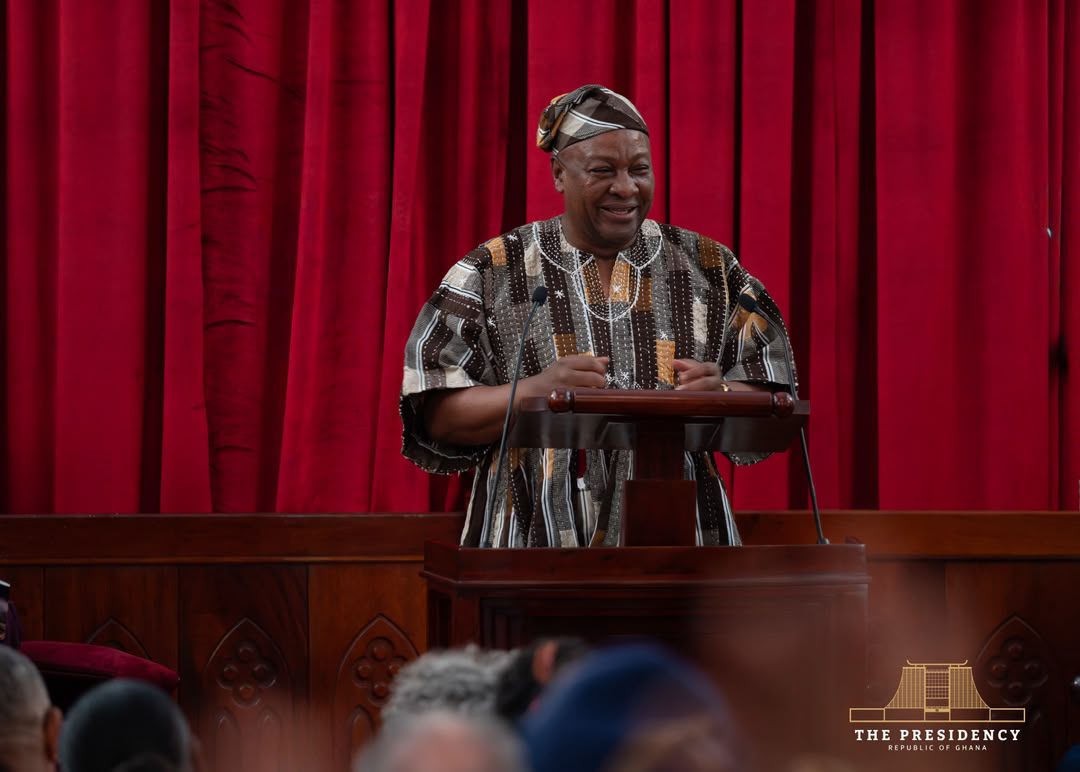
President Mahama made the announcement when he addressed a joint session of the Parliament of Barbados during his five-day state visit to the Caribbean nation.
He explained that Ghana was also streamlining its legislation and visa waiver arrangements to facilitate easier travel and settlement for Barbadians and other Caribbean nationals.
“My administration is streamlining legislation and visa waiver frameworks so Barbadians and Caribbean citizens can travel, invest, settle and claim ancestral citizenship in Ghana without unnecessary bureaucratic hurdles,” he told Parliament.
“We are propelling forward the Homeland Return Bill, which will go beyond the Right of Abode Bill and grant an easier pathway to citizenship for all persons of African descent,” he added.
The President said the initiative formed part of a broader effort to restore the historical, cultural and personal connections between Africa and its diaspora, particularly communities in the Caribbean whose ancestors were forcibly taken from the continent during the transatlantic slave trade.
Reconnecting Africa with its diaspora
President Mahama argued that the historical separation of Africans through slavery and colonialism should not prevent present and future generations from reclaiming their ancestral identities and establishing meaningful relationships with the continent.
He invoked the Akan philosophical concept of Sankofa, which teaches that it is not taboo to return to one’s roots and reclaim what has been left behind.
“While the Atlantic Ocean separates us, it cannot diminish the enduring bonds of ancestry, heritage and identity that unite us,” he said.
He described Barbados as an integral part of Africa’s extended family, stressing that the relationship between the two regions must be strengthened through policies that promote mobility, citizenship, investment and economic cooperation.
Diaspora as Africa’s Sixth Region
The President linked Ghana’s Homeland Return agenda to the African Union’s recognition of the African diaspora as the Sixth Region of Africa.
He pledged that when Ghana assumes the chairmanship of the African Union in 2027, making the Sixth Region operational and integrating Africa and the Caribbean into a cohesive economic and diplomatic bloc would be among his central priorities.
“As Ghana prepares to assume the chairmanship of the African Union next year, in 2027, I pledge that making the sixth region operational and integrating Africa and the Caribbean as a cohesive economic and diplomatic bloc will be a central priority during my tenure,” he stated.
He said the recognition of the diaspora must translate into practical arrangements that allow people of African descent to participate meaningfully in the continent’s development.
Strengthening economic and financial connections
Beyond citizenship and ancestral reconnection, President Mahama called for stronger financial and institutional integration between Africa and the Caribbean.
He referenced the CARICOM-Africa summits and the expansion of the African Export-Import Bank’s operations in Bridgetown as important developments in building financial instruments to support infrastructure and economic growth across both regions.
He also proposed closer cooperation in trade, renewable energy, the creative economy, digital technology and education.
The President called for stronger partnerships between universities in Ghana and Barbados to promote academic exchanges and enable students to experience the history and cultures of both regions.
A shared historical responsibility
President Mahama also addressed the question of reparatory justice, insisting that Africa and the Caribbean must continue to advocate for recognition and redress for the historical injustices associated with slavery, colonialism and the exploitation of their resources.
He said the pursuit of reparatory justice was not about revenge but about restoring human dignity, affirming historical truth and creating a more equitable international order.
He expressed Ghana’s appreciation to the Government and people of Barbados, particularly Prime Minister Mia Amor Mottley, for their continued support for the international reparatory justice agenda.
The President maintained that the historical relationship between Africa and the Caribbean must evolve into a practical partnership that restores identity, promotes shared prosperity and gives future generations a stronger sense of belonging.
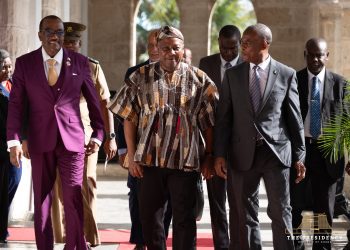
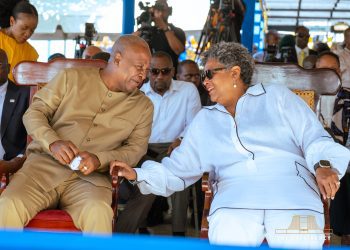
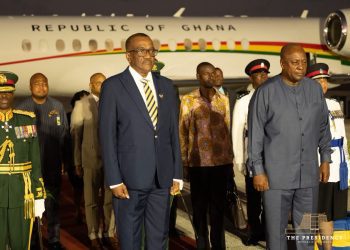
President Mahama is in Barbados from November 26 to 30, 2026, on a state visit aimed at deepening the longstanding diplomatic, cultural and economic relations between Ghana and the Caribbean nation.
Story: Patrick Asford Boadu