President John Dramani Mahama has reaffirmed his government’s commitment to achieving universal health coverage, describing the Free Primary Healthcare Programme as a transformative initiative that prioritises disease prevention, early detection and equitable access to healthcare for all Ghanaians.
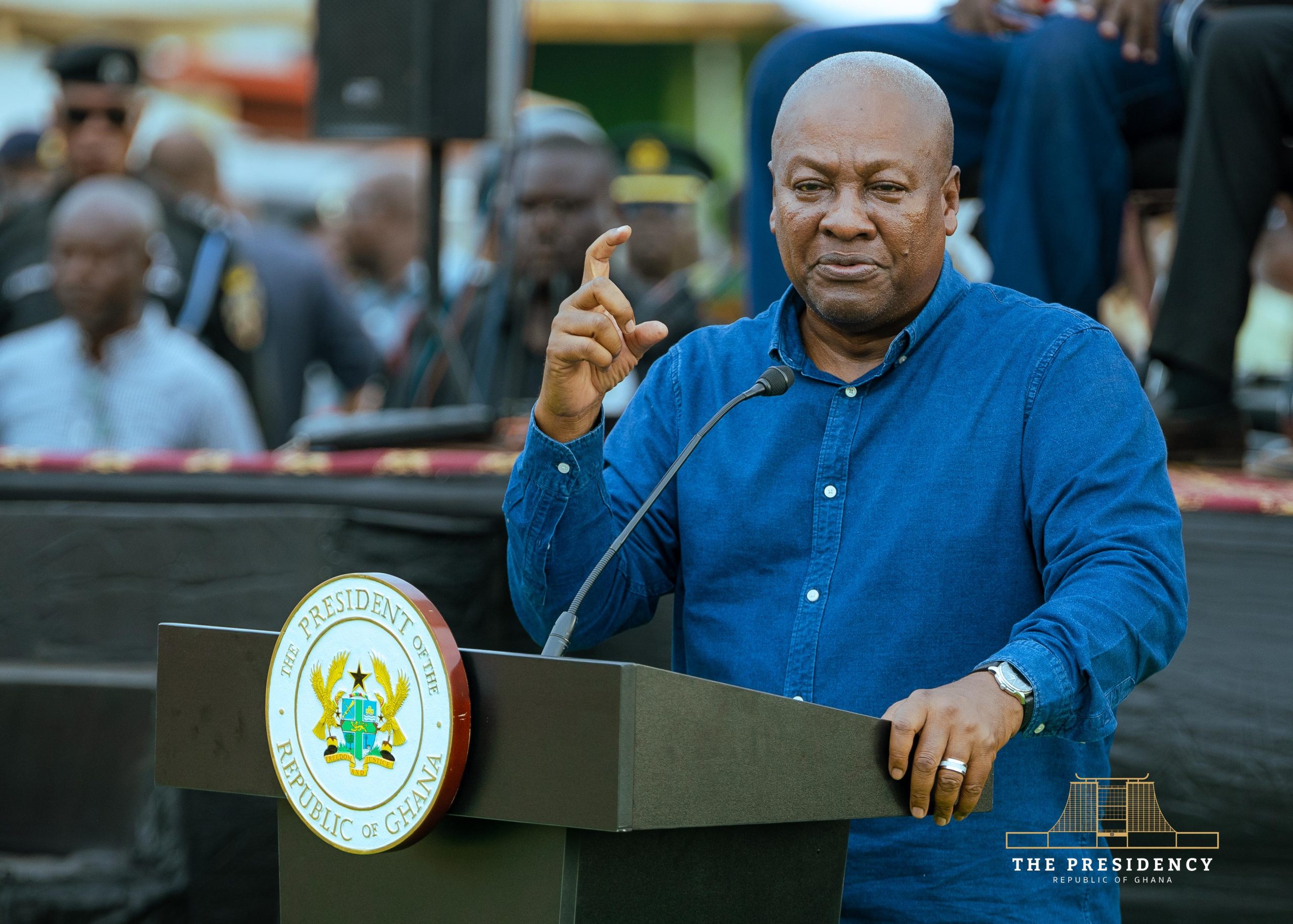
Addressing a durbar at the Zuarungu Health Centre, President Mahama said the programme represents the foundation of a three-tier healthcare system designed to ensure that no Ghanaian is left behind, regardless of where they live or their financial circumstances.
“We have three tiers of health coverage,” the President explained. “The basic level is the Free Primary Healthcare Programme, followed by the National Health Insurance Scheme and, beyond that, the Ghana Medical Trust Fund for specialised treatment of serious illnesses such as cancers, kidney disease and heart conditions.”
President Mahama said the introduction of the Free Primary Healthcare Programme and the Ghana Medical Trust Fund was necessary because the National Health Insurance Scheme alone had not achieved universal coverage.
“By the time we came into office, it had captured just a little above 60 per cent of the population. This meant that almost 40 per cent of the population had no health coverage,” he noted.
A central feature of the programme, according to the President, is the nationwide home visitation initiative, under which community health nurses and volunteers visit households to conduct basic health screenings and identify health conditions before they become life-threatening.
“For me, the most important part of this programme is what we are doing here today with the home visits. We have brought the programme to your doorstep,” he said.
He urged citizens to take advantage of the home visits, stressing that many people unknowingly live with conditions such as hypertension and diabetes until serious complications develop.
“There are people who have high blood pressure and do not know it. When you detect an illness early, you are able to receive treatment and recover. That is why Free Primary Healthcare is preventive,” President Mahama stated.
He encouraged regular health screening, healthy eating habits and exercise, explaining that lifestyle changes can often prevent or control hypertension and diabetes before medication becomes necessary.
The President also highlighted the programme’s focus on maternal and child healthcare, urging pregnant women to attend antenatal clinics consistently.
“I want to make sure that every mother gives birth safely,” he said. “One of the reasons why we are finding it difficult to bring maternal mortality down is that many mothers do not take antenatal care seriously.”
He explained that health workers would also monitor newborn babies during home visits to ensure they receive essential vaccinations and appropriate postnatal care.
On healthcare financing, President Mahama praised recent reforms to the National Health Insurance Scheme, including the uncapping of the National Health Insurance Fund and timely reimbursements to health facilities.
He announced that tariffs paid to health facilities had been significantly reviewed to reflect the true cost of treatment, effectively eliminating the need for co-payments by insured patients.
“No health facility operating under the National Health Insurance Scheme should ask a patient for co-payment because the cost of treatment is covered,” he emphasised.
President Mahama also outlined progress under the Ghana Medical Trust Fund, explaining that it provides financial support for the treatment of expensive medical conditions, including cardiovascular diseases, kidney failure and cancers.
He disclosed that government is investing heavily in diagnostic and treatment infrastructure, including CT scanners, MRI machines, catheterisation laboratories and cardiothoracic centres across the country.
“We are improving health outcomes for all our people because health is wealth. I do not think anybody should consider investment in healthcare as a waste of money. We need a healthy population to build a wealthy nation,” he said.
The President further revealed that government has adopted a five-year plan aimed at making Ghana self-sufficient in pharmaceutical production.
He said the strategy, developed by the National Vaccine Institute, the Ministry of Health and industry stakeholders, seeks to reduce the country’s dependence on imported medicines while positioning Ghana as a pharmaceutical manufacturing hub for the sub-region.
“We currently import about 70 per cent of the medicines we use, yet we have the capacity to produce many of those medicines ourselves,” he noted.
As part of expanding access to healthcare in underserved communities, President Mahama announced that government is deploying health kiosks—equipped 20-foot container facilities—to communities without CHPS compounds to provide basic healthcare services closer to residents.
Concluding his address, the President commended health professionals across the country for their dedication and encouraged nurses to continue treating patients with compassion despite the pressures of their work.
“Your smile is reassurance to the patient that they will get well. That is part of the treatment,” President Mahama said. “This government prioritises healthcare and will continue to ensure that every Ghanaian has access to quality healthcare.
People should not die because of where they were born or where they live.”