Government has cleared approximately US$1.47 billion in legacy energy-sector debt, as part of a broader effort to stabilise the power industry and prevent the accumulation of fresh arrears, Energy and Green Transition Minister Dr. John Abdulai Jinapor has disclosed.
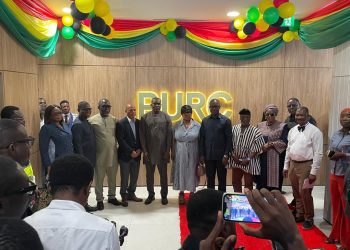
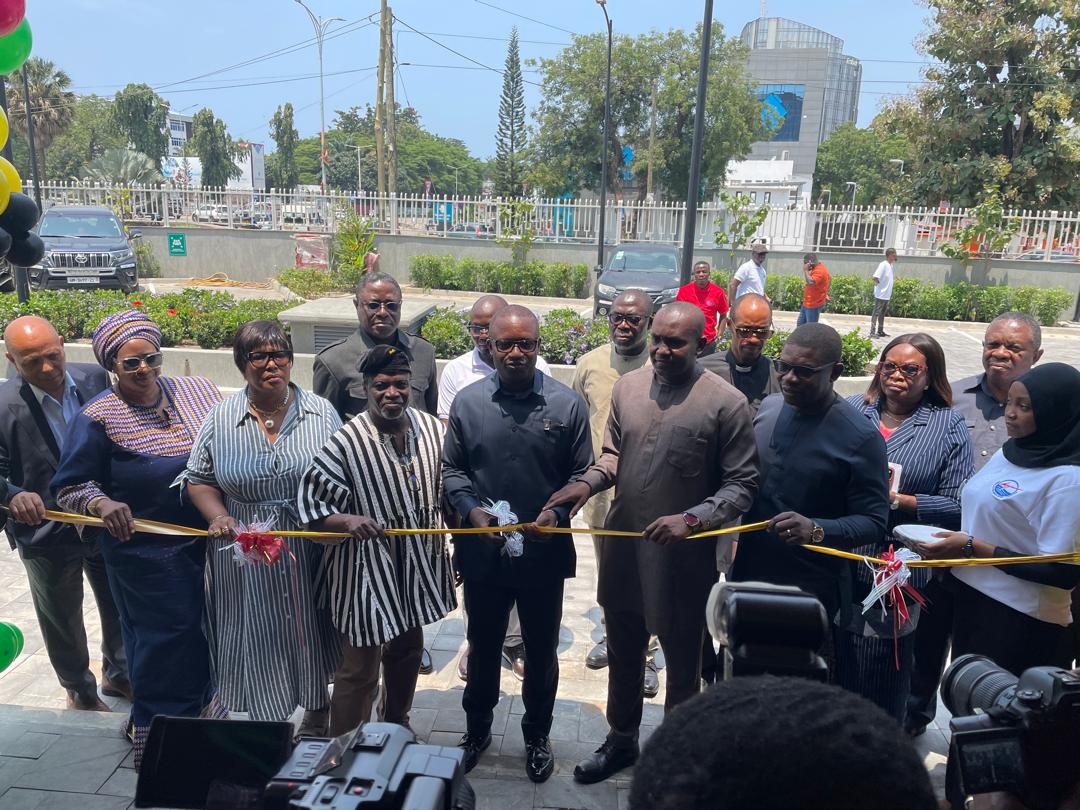
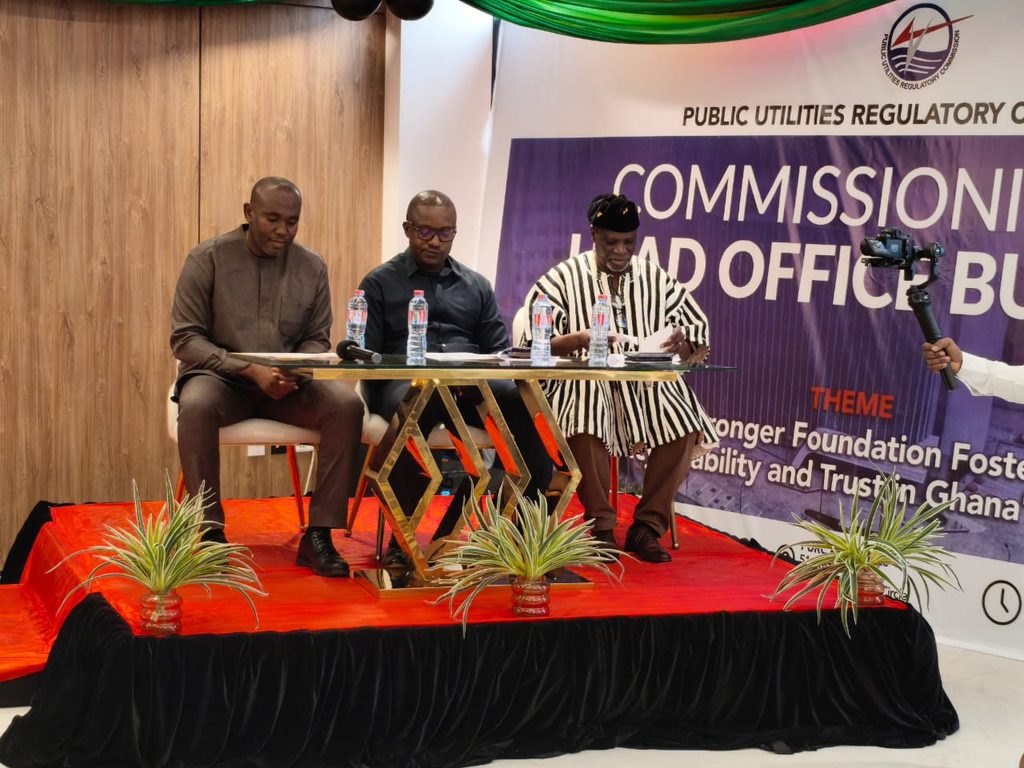
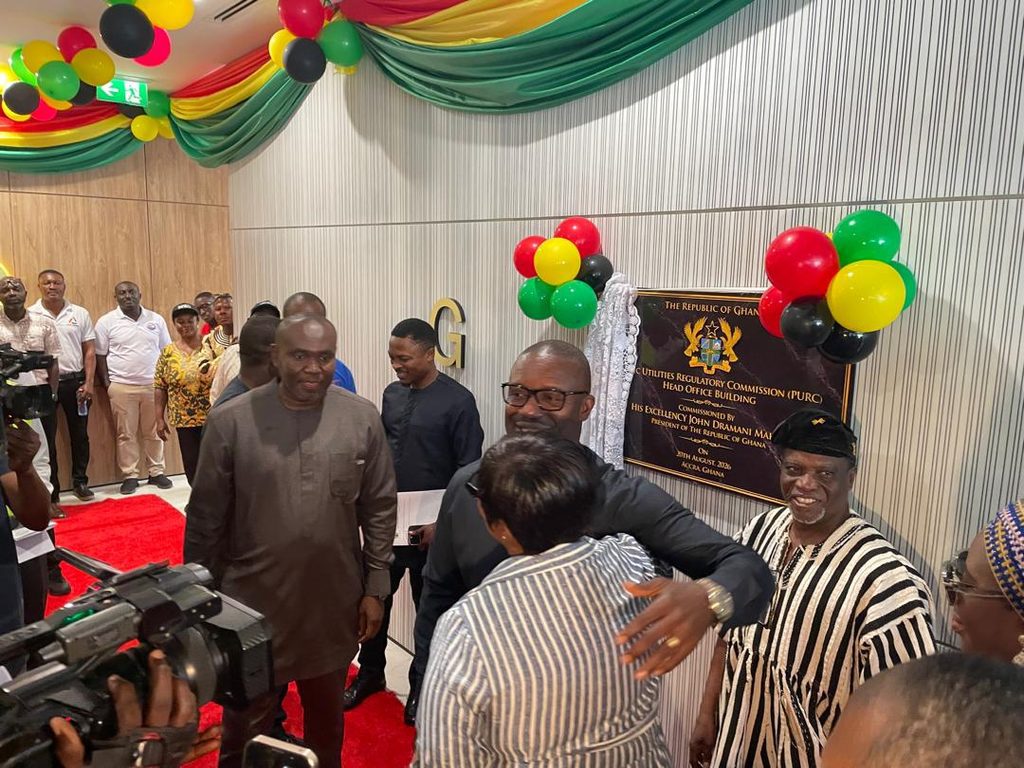
Representing President John Dramani Mahama as Guest of Honour at the commissioning of the new PURC head office complex, Dr. Jinapor said reforms implemented across the sector were beginning to improve cash flows and restore confidence in the electricity value chain.
He disclosed that Independent Power Producers (IPPs), who previously received about 42% of their invoices, are now receiving close to 100%, significantly reducing the accumulation of new liabilities.
According to the Minister, about GH¢15 billion is now declared monthly through the Cash Waterfall Mechanism, following measures to improve revenue mobilisation and financial discipline.
Dr. Jinapor said government had also reduced expenditure by shifting substantially from expensive liquid fuels to gas for thermal power generation.
The transition, he stated, delivered approximately US$500 million in import-substitution savings within one year.
Government has additionally renegotiated arrangements with Independent Power Producers, a process Dr. Jinapor said generated a further US$250 million in savings.
Despite the progress, the Minister cautioned that financial stability in the energy sector would depend heavily on stronger commercial performance, particularly at the Electricity Company of Ghana (ECG).
He described ECG as a critical financial link in the electricity value chain, stressing that weaknesses in revenue collection ultimately affect payments to other institutions and power producers.
Dr. Jinapor consequently urged PURC to intensify scrutiny of utility companies and strengthen regulatory enforcement, even where doing so may prove uncomfortable.
“You have to step on some toes sometimes to ensure that you achieve the objective,” he said.
He also challenged PURC to make its presence more visible to consumers beyond tariff announcements, deepen stakeholder engagement and ensure utility regulation supports industrial competitiveness and the government’s 24-Hour Economy programme.
Dr. Jinapor said the commissioning of PURC’s new headquarters should therefore represent more than institutional expansion, stressing that the Commission’s success must ultimately be judged by the quality of service Ghanaian consumers receive.