The Creative Arts Agency has unveiled a raft of measures aimed at transforming Ghana’s creative industry into a structured, commercially viable and globally competitive sector.
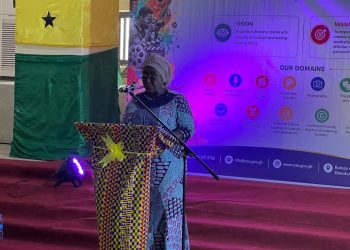
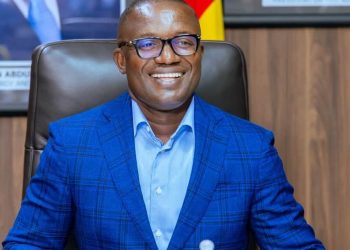
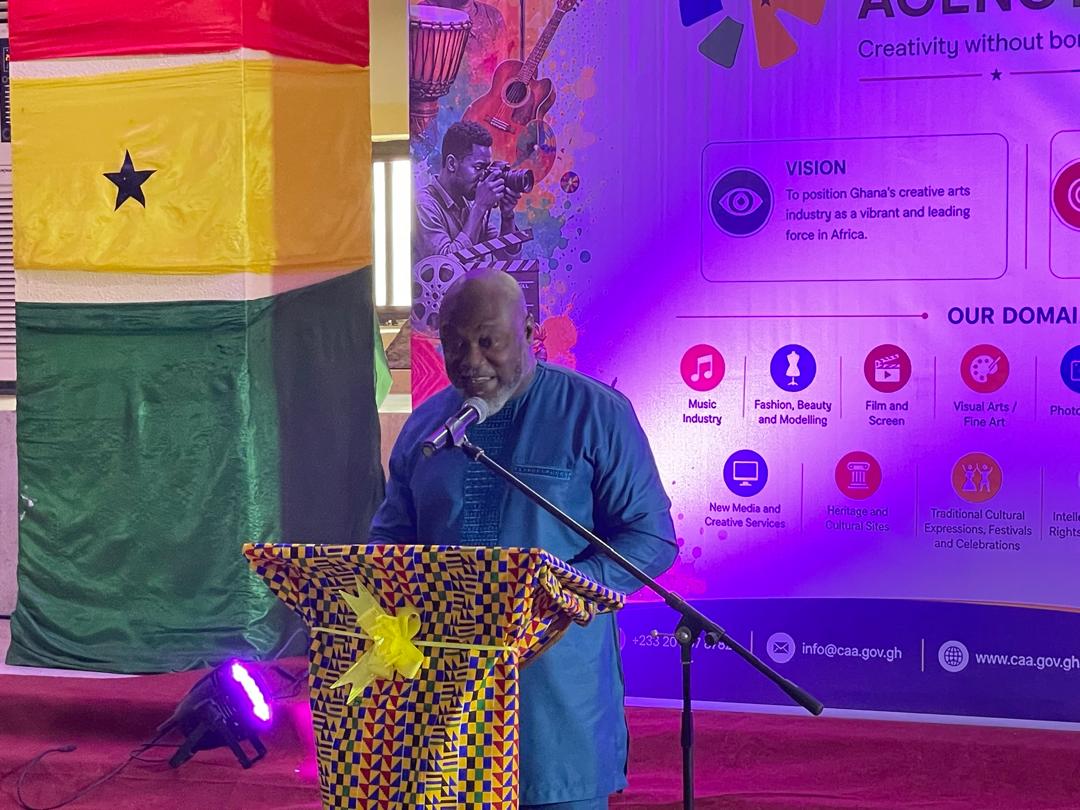
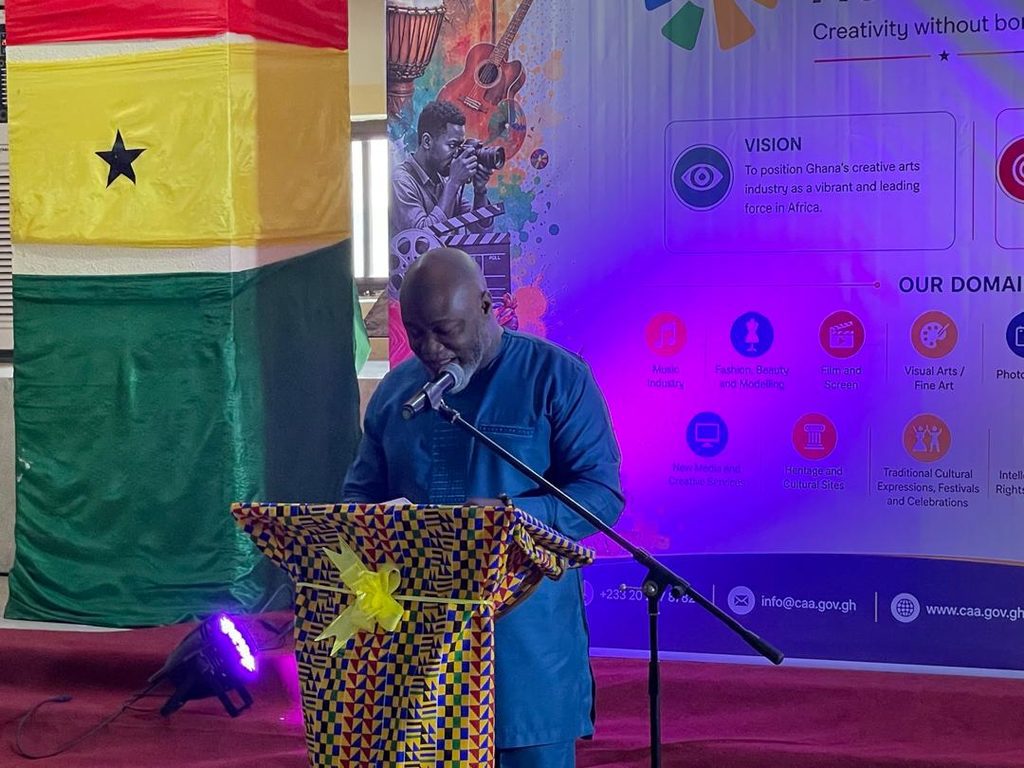
The Agency’s Acting Executive Secretary, Gideon Cyril Aryeequaye, outlined the measures at a high-level stakeholder engagement with the Minister for Tourism, Culture and Creative Arts, Abla Dzifa Gomashie.
According to him, the government’s GH¢20 million allocation as seed funding, to be matched by critical funds, will support efforts to move creative businesses away from temporary interventions towards structured credit, grants and sustainable enterprise models.
He said the Agency was partnering institutions including the Microfinance and Small Loans Centre (MASLOC) and the Ghana Enterprises Agency (GEA) to expand access to finance for practitioners.
New registration, licensing framework
Mr Aryeequaye also announced plans to roll out a new registration and licensing framework under the Creative Arts Agency Act, 2020 (Act 1048).
The framework, he said, would be implemented alongside a national stakeholder regulatory committee to establish a credible database of creative industry practitioners.
He explained that the database would help ensure that government interventions and investments reach the intended beneficiaries.
Focus on intellectual property
The Acting Executive Secretary said the Agency was also collaborating with the Kwame Nkrumah University of Science and Technology (KNUST) to develop specialised programmes focusing on the creative economy, including intellectual property protection and music publishing.
The Agency, he added, was also working with major international platforms to expand opportunities for the commercialisation of Ghanaian creative works.
Creative hub, housing for retired creatives
Beyond financing and regulatory reforms, Mr Aryeequaye said the Agency was laying the physical and social foundations needed to support practitioners.
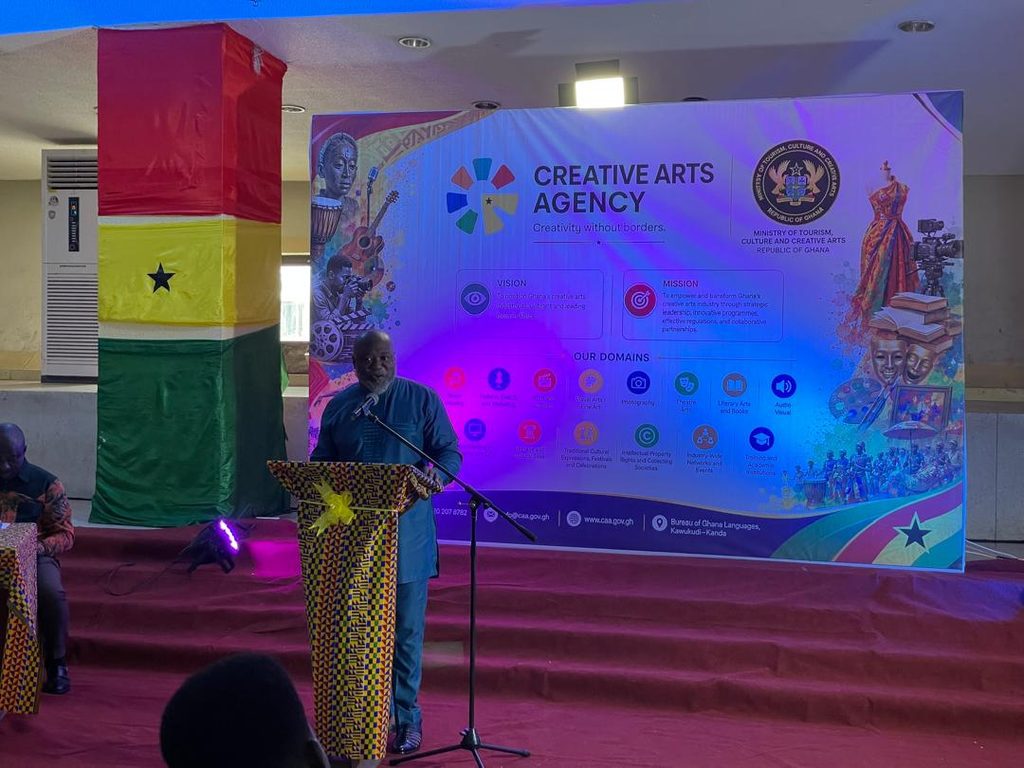
He announced that a committee had been established to oversee the planning of the Greater Accra Creative Hub, a flagship national facility expected to provide spaces for innovation, training, performance and enterprise incubation.
The Agency, he said, had also established a welfare and counselling department to address the well-being of practitioners.
A Creative Arts Housing Project is also being developed to provide housing security for retired creative industry legends, he disclosed.
Expanding markets, nurturing young talent
Mr Aryeequaye said the Agency was equally focused on expanding market opportunities while preserving Ghana’s cultural heritage.
The Agency, he added, was developing nationwide talent discovery platforms in senior high schools to identify and nurture young creative talents.
Eight-year plan
Mr Aryeequaye further disclosed that the interventions had been incorporated into an eight-year comprehensive development plan currently being prepared by the Agency.
He said the plan would be shared with stakeholders once it receives approval from the Ministry.
The Agency is also preparing to embark on a 16-region stakeholder tour to educate practitioners and gather input on its plans for the sector.
‘The tide has truly turned’
Acknowledging years of unfulfilled promises that have generated scepticism among creative practitioners, Mr Aryeequaye said the government was determined to change the narrative.
“I acknowledge that for many years our sector has carried a weight of unfulfilled promises, leading to understandable scepticism whenever new policies are unveiled,” he said.
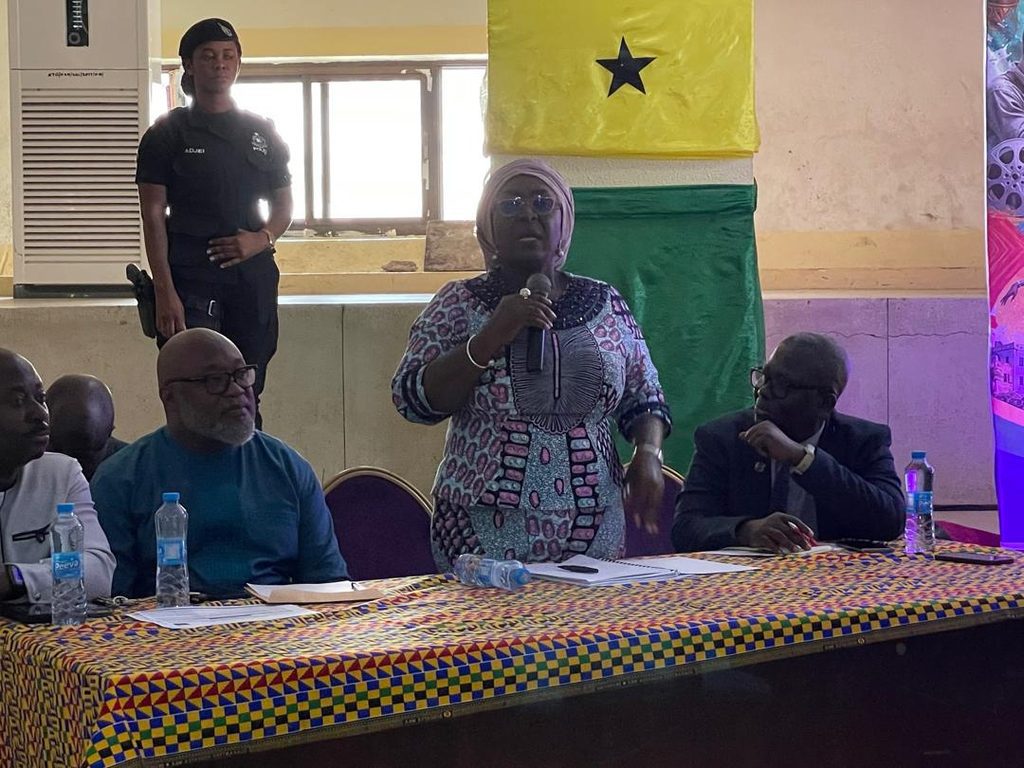
“But I stand before you today to assure you that the tide has truly turned.”
He said the Agency was moving away from “piecemeal support and superficial gestures” towards deliberate and institutionalised interventions.
Mr Aryeequaye said the ultimate objective was to ensure that creative work was no longer regarded as a side hustle but as a “dignified, profitable and secure career path.”
He stressed that the reforms would require active participation from industry practitioners, insisting that government and the Agency could not build the sector in isolation.
“Government cannot construct this vision in isolation, nor can the Agency succeed without your ownership of these reforms,” he said.
He urged stakeholders to use the engagement to provide constructive criticism and help shape policies that would secure a prosperous future for Ghanaian creatives.