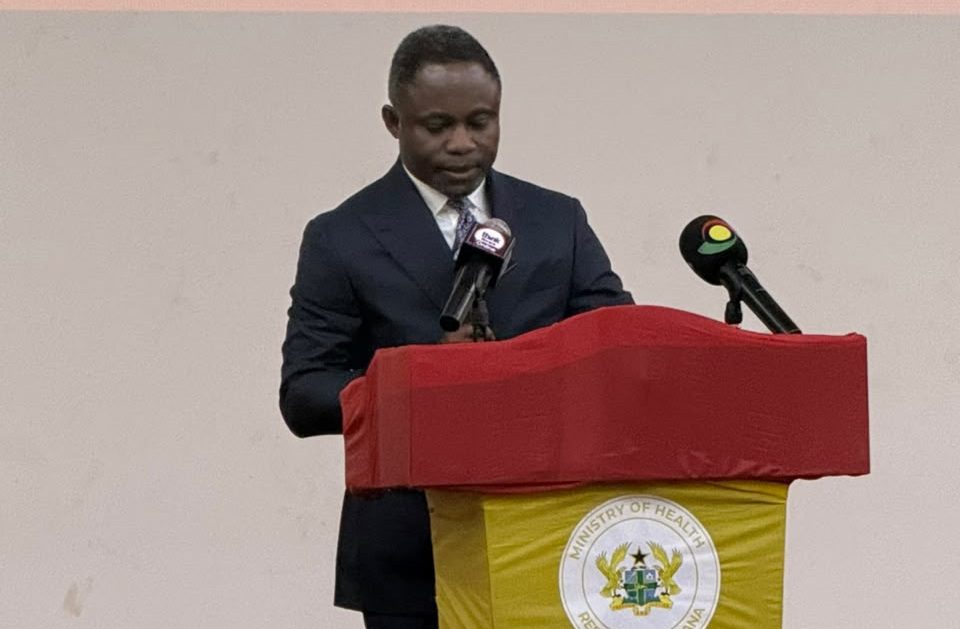
Minister for Health, Hon. Kwabena Mintah Akandoh, has disclosed that government is considering a review of admissions into health training institutions as part of efforts to address the growing number of unemployed health professionals in the country.
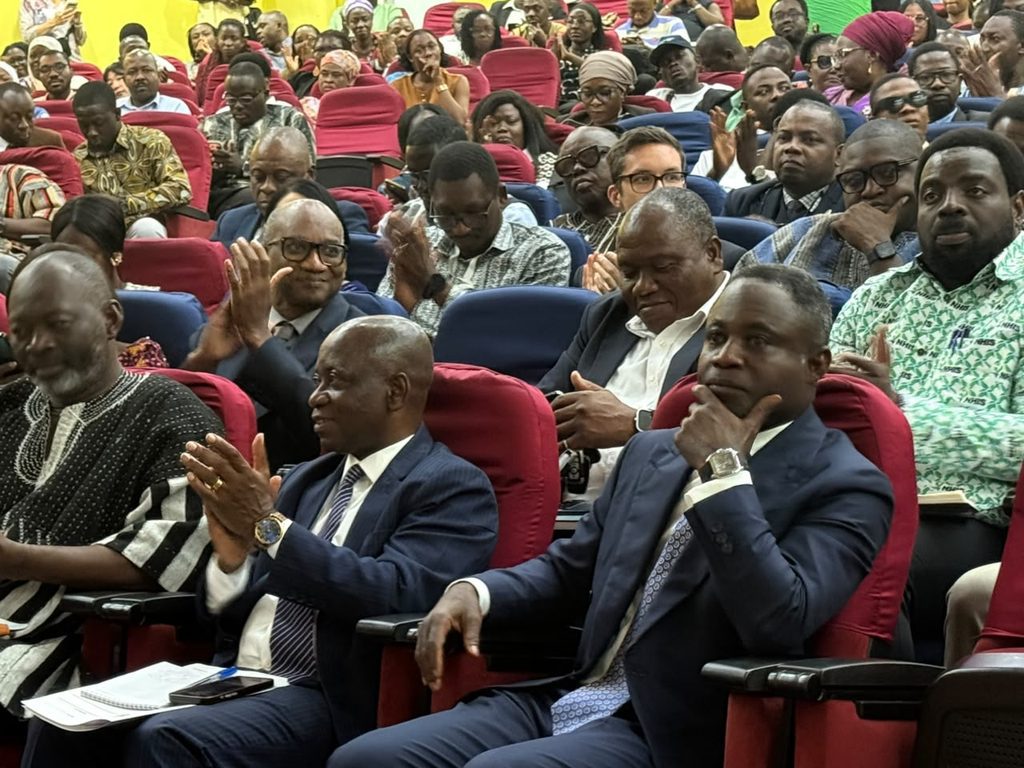
Speaking at a Health Sector Stakeholder Engagement in Accra attended by Members of Parliament, traditional leaders, heads of health institutions, principals of nursing and midwifery training colleges, students, private healthcare providers and other stakeholders, the Minister said the current rate of admissions far exceeds the number of health workers recruited annually.
According to him, more than 35,000 students are admitted into health training programmes each year, while government is only able to recruit between 10,000 and 15,000 health professionals annually, creating a widening employment gap.
“We must align admissions with the needs of the health sector to avoid producing large numbers of trained professionals who remain unemployed,” he stated.
The Minister, however, assured stakeholders that government remains committed to expanding employment opportunities within the sector. He revealed that recruitment efforts are being intensified while the Ghana Labour Exchange Programme is creating opportunities for qualified health professionals to secure employment abroad through bilateral agreements with partner countries.
On efforts to improve healthcare delivery in underserved communities, Mr. Akandoh noted that the number of medical officers serving rural and deprived areas has increased significantly. He said while only 12 medical officers accepted postings to eight underserved regions in 2024, deployments in 2025 have increased that number to about 100.
He acknowledged challenges relating to accommodation for health workers and indicated that government is working with traditional authorities and local stakeholders to provide decent housing facilities for clinicians posted to rural communities.
The Minister also announced measures to strengthen specialist healthcare training in Ghana. He disclosed that specialist programmes in oncology, critical care nursing and other areas have been introduced, with a target of training at least 1,000 specialists to support the country’s growing healthcare needs.
In addition, 40 nursing tutors have received scholarships to pursue doctoral studies, while approximately 50 pickup vehicles will be distributed to nursing training institutions to improve supervision and administrative work.
As part of efforts to decentralise postgraduate medical education, the Minister said specialist medical training is being expanded beyond Accra and Kumasi to include Wa, Bolgatanga and Ho, making advanced medical education more accessible across the country.
Mr. Akandoh stressed that the reforms form part of government’s broader agenda to build a stronger and more responsive health workforce capable of meeting the healthcare needs of Ghanaians while creating sustainable employment opportunities for trained professionals.
Story by Osman Issah Abadoo