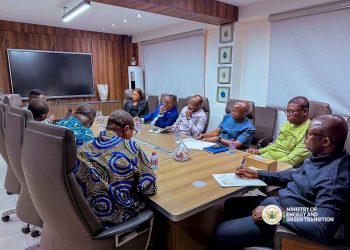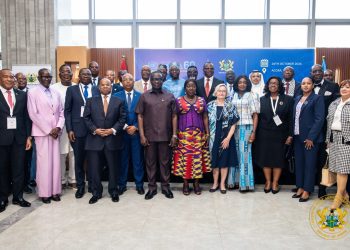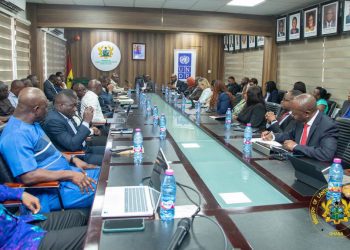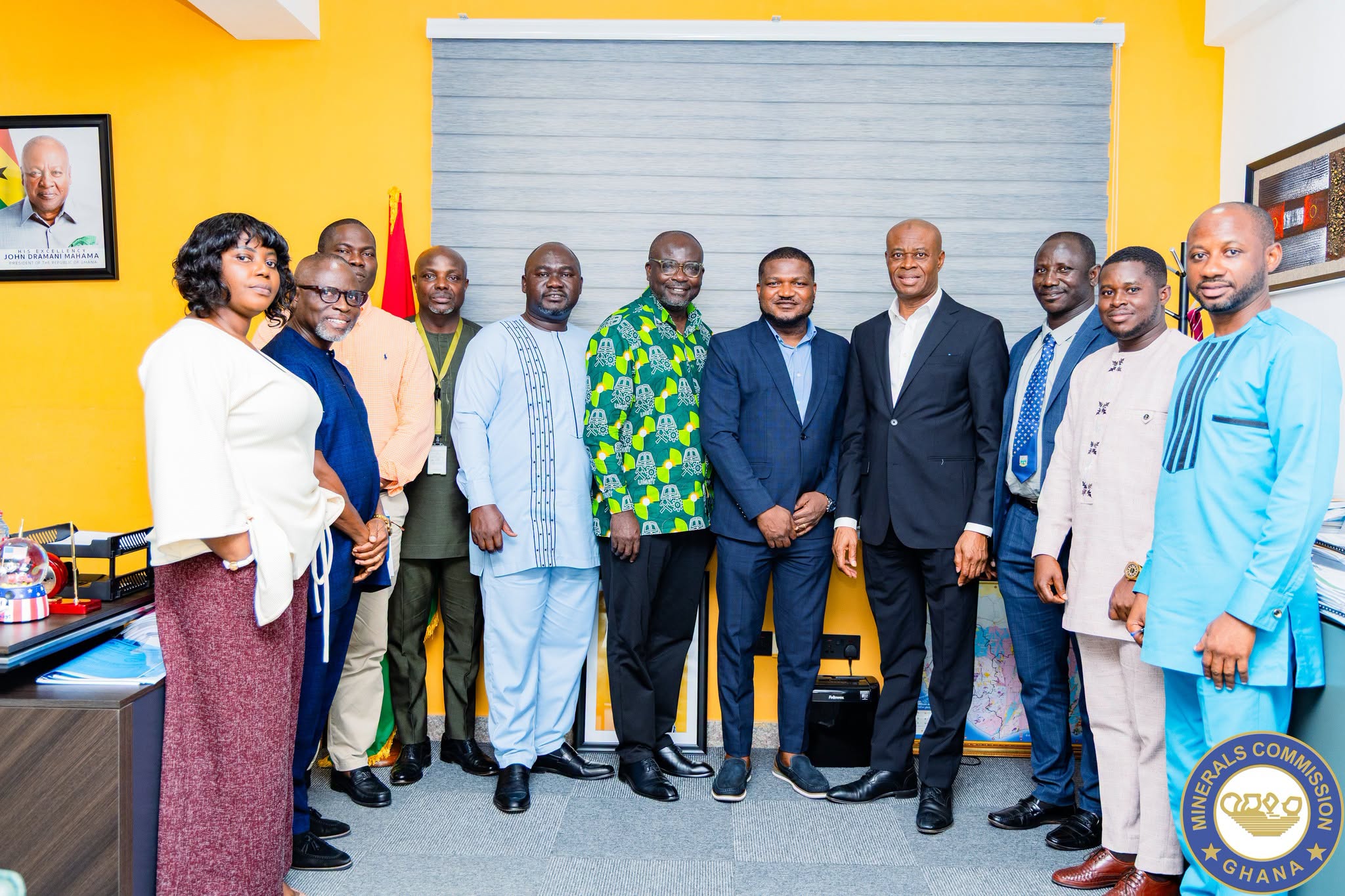
The Minerals Commission has held discussions with a delegation from the University of Mines and Technology (UMaT), led by its Vice-Chancellor, Professor Bernard Kumi-Boateng, aimed at strengthening collaboration between academia and the mining industry to support the sustainable development of Ghana’s mineral resources.
The visit, which also formally introduced Professor Kumi-Boateng to the Commission following his assumption of office as Vice-Chancellor, provided an opportunity for both institutions to explore areas of mutual interest, including research, capacity building, responsible small-scale mining, environmental sustainability and the development of skilled professionals for the mining sector.
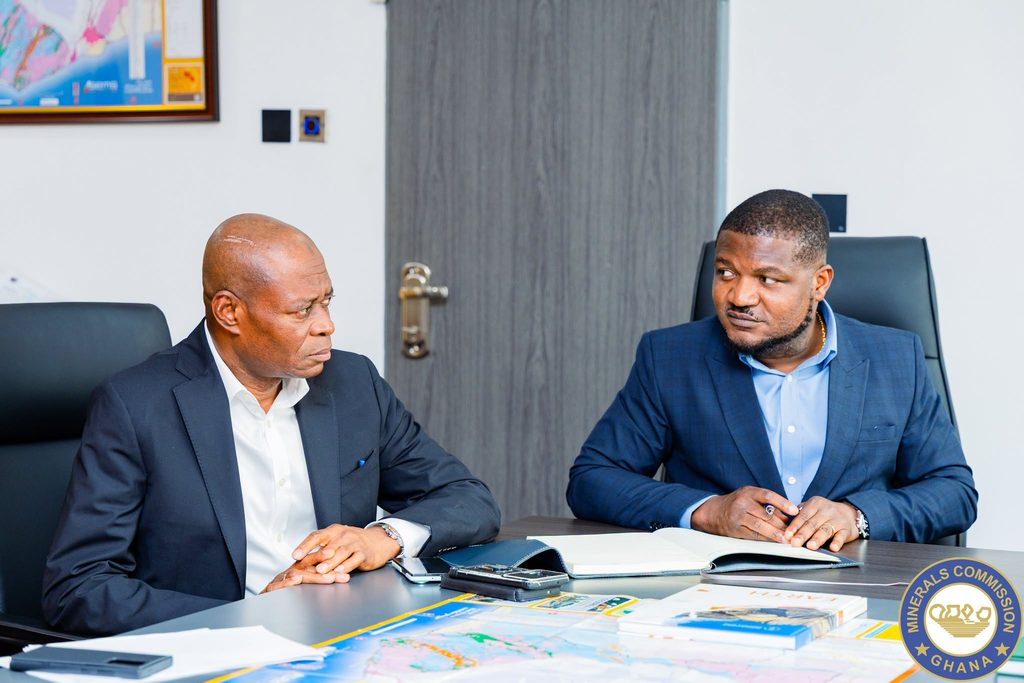
Welcoming the delegation, the Chief Executive Officer of the Minerals Commission, Mr. Isaac Andrews Tandoh, underscored the important role of academia in developing solutions to challenges confronting the mining industry. He acknowledged the longstanding relationship between the Commission and UMaT and called for stronger collaboration to bridge the gap between academic training and practical industry experience.
Mr. Tandoh noted that closer collaboration between the Minerals Commission and the University could help translate academic research into practical solutions for the sector. He further expressed the Commission’s readiness to support relevant research initiatives by the University, noting that regulatory and institutional backing could strengthen the case for Government support and funding for research that responds directly to national priorities.
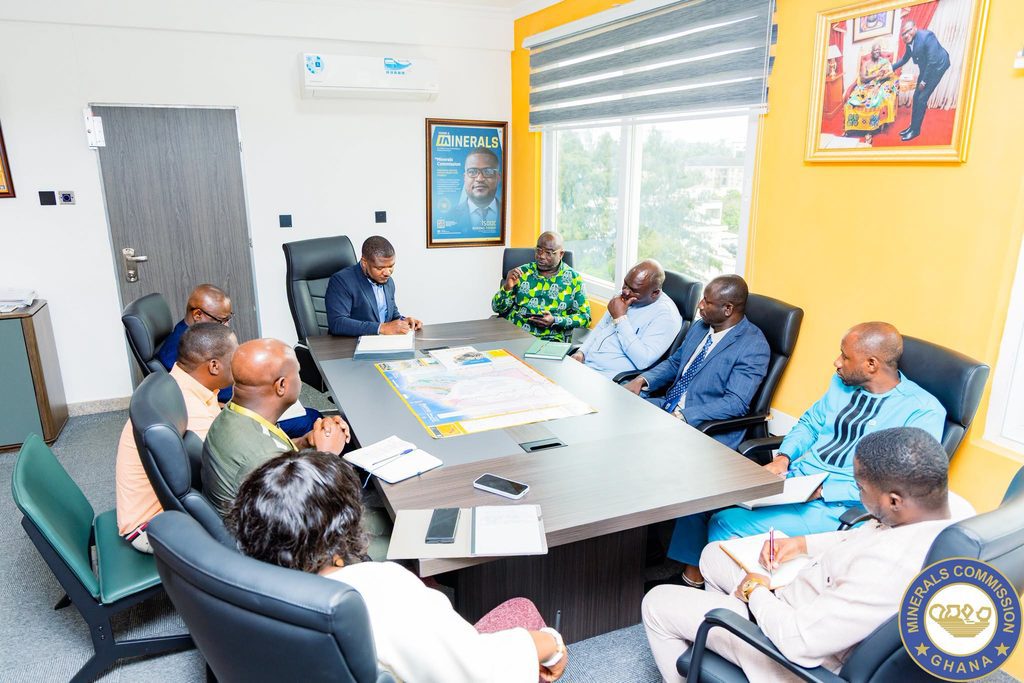
“This should not be a one-time engagement. Let us work together, identify our common priorities and determine how both institutions advance the development of Ghana’s mining sector,” he emphasised.
Professor Kumi-Boateng expressed appreciation to the CEO and Management of the Commission for receiving the delegation and outlined a number of proposals through which UMaT could support ongoing reforms within the mining sector. Key among them was the deployment of suitably trained UMaT graduates and Minerals Commission licensed professionals to support responsible small-scale mining and the national fight against illegal mining.
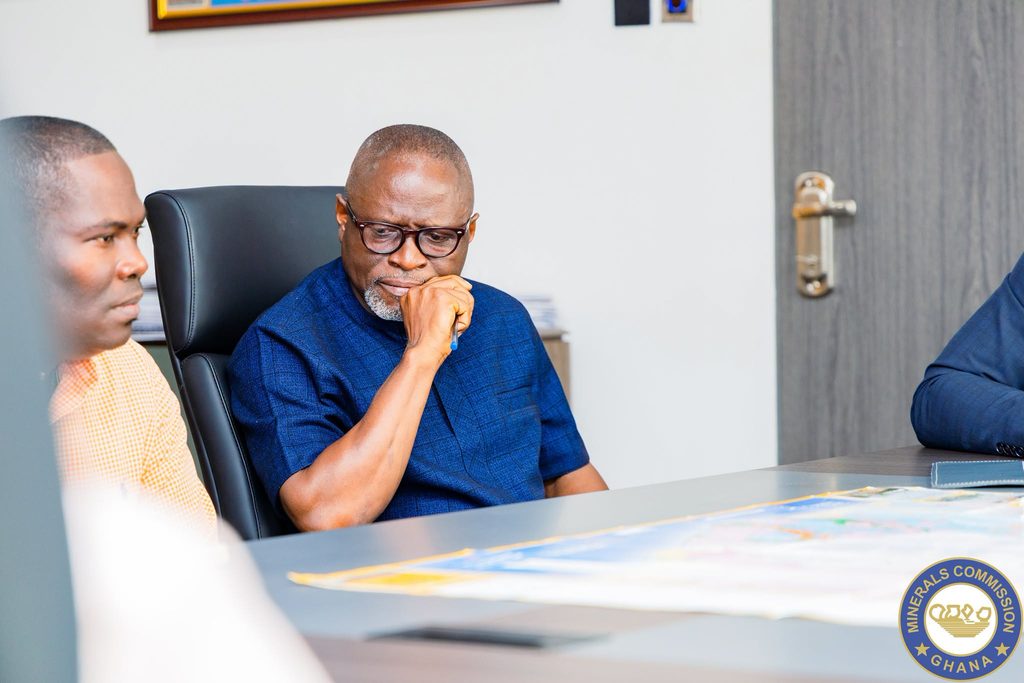
He proposed the development of a framework under which small-scale mining operations would be required to engage appropriately-trained personnel as part of the licensing or licence-renewal process. According to him, introducing greater technical expertise into the small-scale mining sector could improve operational standards, promote environmentally responsible mining, create employment opportunities for graduates and contribute to reducing destructive mining practices.
The Vice-Chancellor also highlighted UMaT’s plans to broaden access to mining education through programmes such as a mandatory Postgraduate Diploma in Sustainable Mining for all UMaT students. He further called for a collaboration to support non-technical mining professionals witg professional certifications to boost their career trajectories. Again, Prof. Kumi-Boateng proposed collaboration with the Minerals Commission on research and technical assignments in focal areas such as environmental and operational impact assessments, resettlement planning, among others.
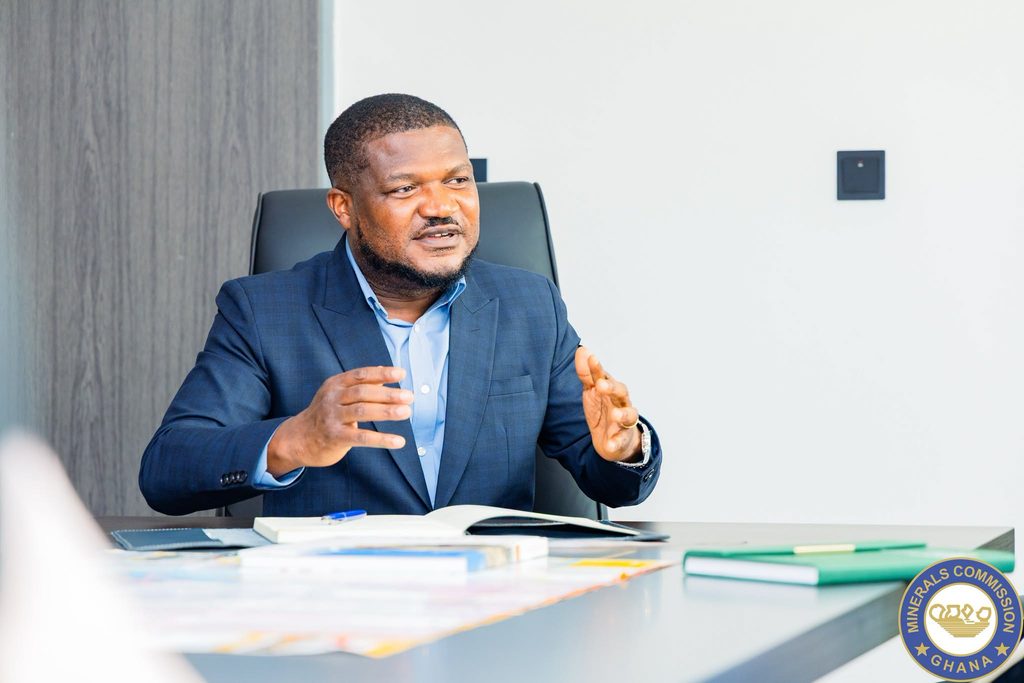
Mr. Tandoh welcomed the proposals, particularly the introduction of professional certification and trained personnel into small-scale mining operations. He noted that establishing clear professional standards would strengthen accountability within the sector and ensure that individuals responsible for mining operations could be held accountable for breaches of mining and environmental requirements.
The Deputy Minister for Lands and Natural Resources, Hon. Dr. Yusif Sulemana, who was present at the meeting, urged both institutions to translate the discussions into concrete action. He pledged the Ministry’s support in working with the Minerals Commission and the University of Mines and Technology to ensure that the proposals move beyond dialogue to practical implementation.
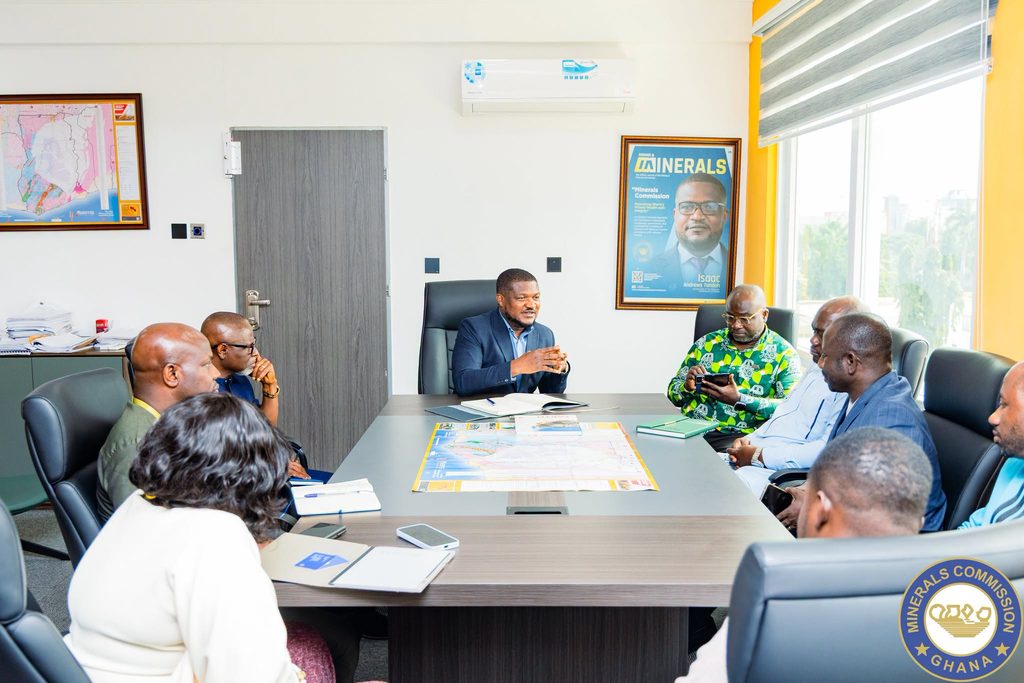
The engagement reaffirmed the commitment of the Minerals Commission to strengthening partnerships with academia and other stakeholders to promote responsible mining, research and innovation, skills development and sustainable utilisation of Ghana’s mineral resources for national development.
-END-