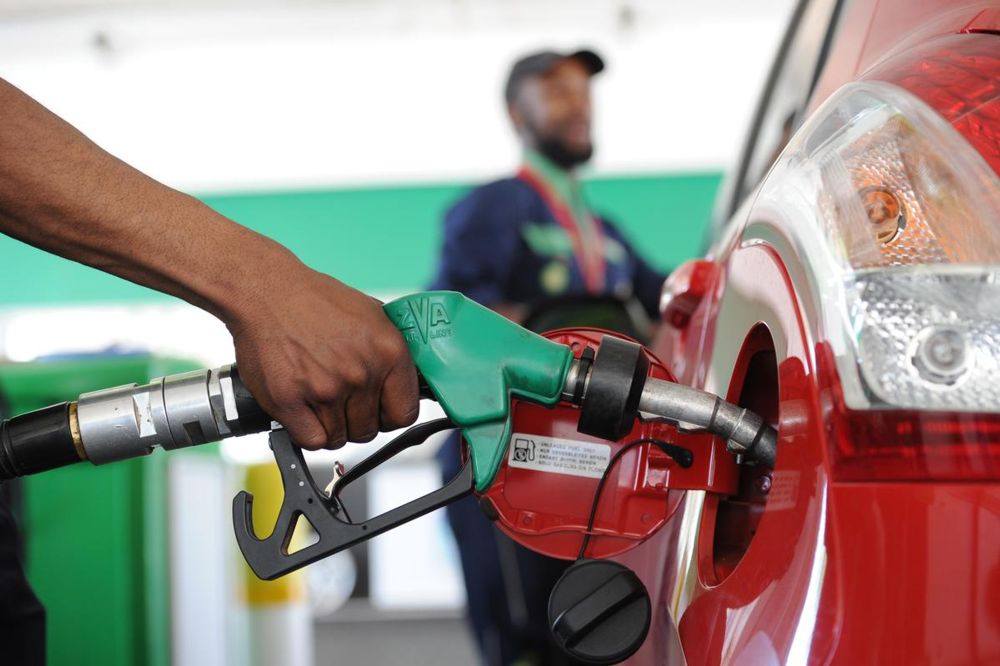
The International Monetary Fund (IMF) has cautioned governments against introducing broad-based fuel subsidies in response to rising global energy prices, warning that such interventions could undermine fiscal stability and reverse economic gains achieved through years of difficult reforms.
The Fund is instead urging governments, particularly in emerging markets and low-income countries, to adopt temporary and targeted measures that protect poor and vulnerable households without placing excessive pressure on public finances.
The advice comes as governments grapple with renewed fuel price shocks that threaten to erode economic gains achieved through painful fiscal consolidation measures following the COVID-19 pandemic.
In Ghana, the government of President John Dramani Mahama has pursued a range of economic policies aimed at restoring macroeconomic stability.
These measures have helped reduce inflation from 23% at the end of 2024 to 5% by the end of 2025, a level the country had initially been projected to achieve by the end of 2028.
Ghana has also made progress in stabilising the exchange rate, improving predictability for businesses and international trade.
The government is further seeking to reduce interest rates to make borrowing more affordable for businesses, while pursuing an ambitious target of building the country’s international reserves to cover 15 months of imports.
However, the latest energy price shock presents a fresh challenge to these economic gains, forcing Ghana and other developing economies to carefully balance fiscal discipline with growing demands for government intervention.
Rising fuel prices have increased pressure on governments to cushion households and businesses, particularly low-income workers who are more vulnerable to higher transportation costs and the resulting increases in the prices of goods and services.
Against this backdrop, the IMF has warned that poorly targeted interventions could impose significant fiscal costs without adequately protecting those most affected.
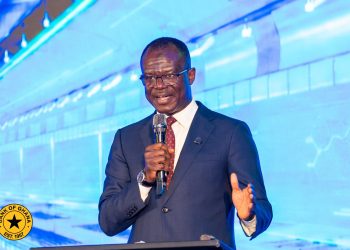
Presenting the IMF’s Fiscal Monitor, the Director of the Fund’s Fiscal Affairs Department, Rodrigo Valdés, said governments should prioritise direct financial assistance to vulnerable households rather than attempt to suppress fuel prices across the economy.
He recommended targeted cash transfers to support poor households, alongside measures designed to keep public transport affordable for low-income and vulnerable workers.
According to Mr Valdés, broad-based fuel subsidies can be costly, economically distortive and ineffective in directing support to those who need it most.
He argued that governments should allow energy prices to reflect prevailing market conditions while using targeted social protection measures to cushion vulnerable populations.
“Countries should respond to energy shocks by allowing prices to reflect energy scarcity,” he stated.
Mr Valdés emphasised that protecting households from the impact of rising energy costs should not necessarily involve keeping fuel prices artificially low.
“Protecting the people is not the same as protecting prices,” he concluded.
The IMF’s position underscores the challenge facing Ghana and other developing economies as they seek to protect vulnerable households from rising living costs while preserving the fiscal stability achieved through recent economic reforms.
Story by Sena Nombo, Bangkok, Thailand — IMF/World Bank Group Spring Meetings