The Minister for Food and Agriculture, Eric Opoku, has disclosed that Ghana’s domestic poultry production has increased from just 5% to 22% of national demand, but inadequate processing facilities and limited market access are threatening the sustainability of the gains.
He says the growing number of poultry farmers, encouraged by the government’s Feed Ghana Programme, has exposed a major weakness in the agricultural value chain, with producers struggling to secure buyers for their birds.
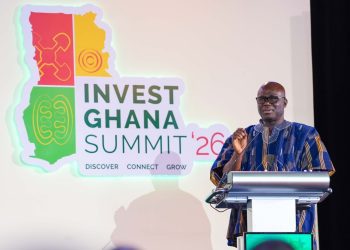
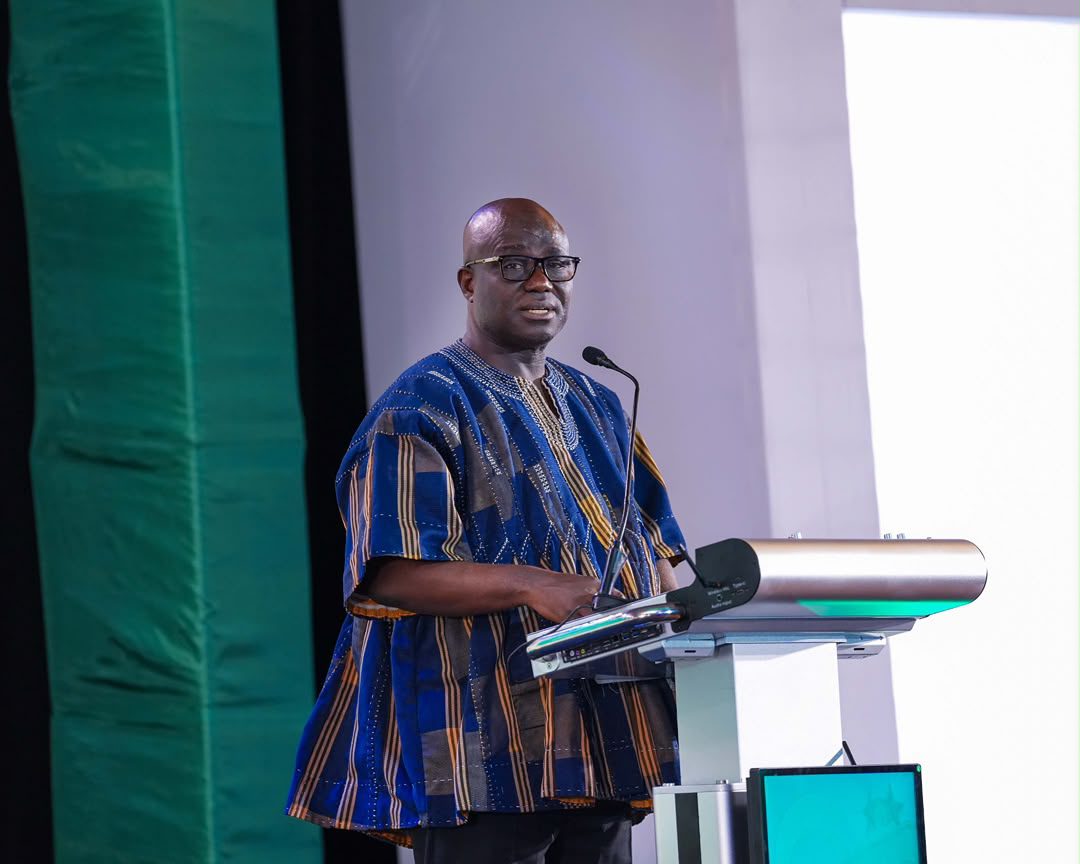
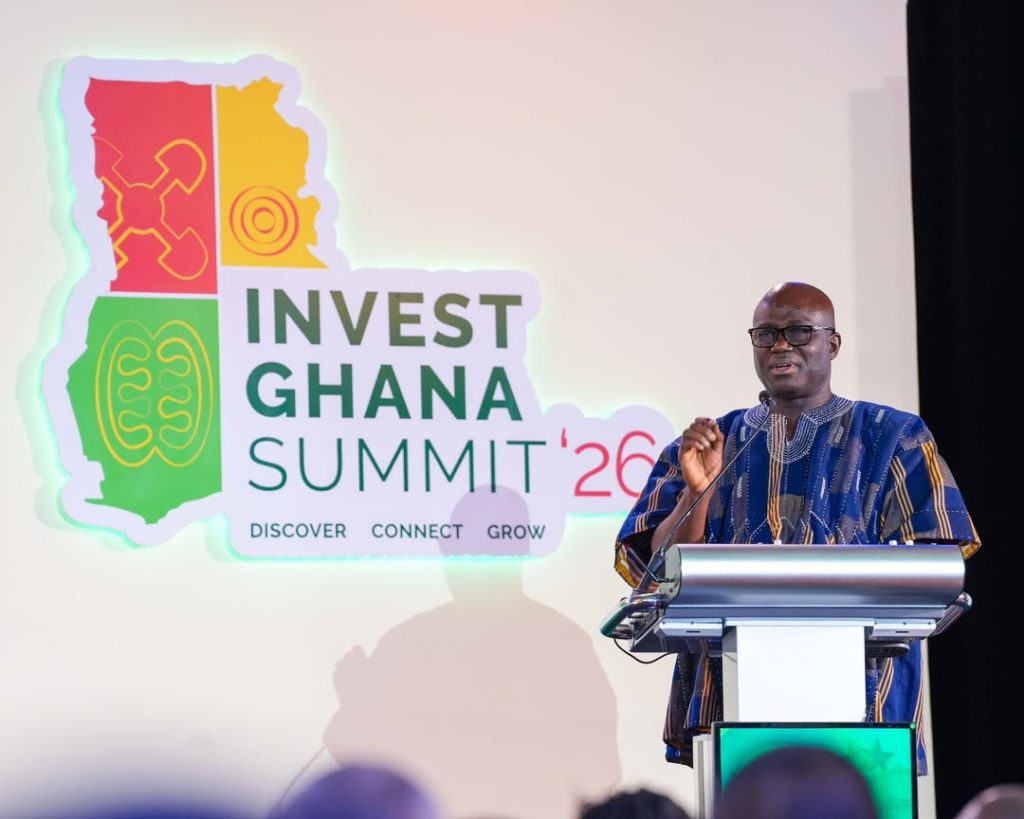
Addressing investors and business leaders at the Invest Ghana Summit 2026 in Accra on Monday, November 16, Mr Opoku explained that Ghana’s annual poultry consumption is estimated at 400,000 metric tonnes, with imports previously accounting for approximately 95% of demand.
According to him, the country was spending nearly US$400 million annually on poultry imports, representing resources that could otherwise support domestic production and employment.
He cited the government’s Nkoko Nkitinkiti initiative, under which broiler chickens were distributed to households in the Ashanti, Ahafo, Western North and other regions to encourage participation in poultry farming.
However, he disclosed that some beneficiaries struggled to sell their birds after they reached maturity because of inadequate processing and market facilities.
“The biggest challenge confronting us is lack of market,” he stated.
To address the problem, the Minister announced plans to attract private investment into poultry processing, feed production, hatcheries and transportation under the government’s New Economy agenda.
He highlighted a proposed integrated poultry processing centre at Bechem, which will have two processing lines with a combined capacity to process 3,000 birds per hour.
The facility will also incorporate a feed mill, hatchery, farmer training centre and rendering equipment to convert poultry by-products into commercially useful products.
Mr Opoku explained that the government’s strategy is to link farmers directly to processors through reliable purchasing arrangements, ensuring that increased production translates into sustainable incomes.
He stressed that the government would concentrate on creating the necessary investment environment while encouraging private businesses to establish and manage the processing facilities.
The Minister invited investors to explore opportunities across the poultry value chain, arguing that Ghana could reduce its dependence on imported poultry while creating jobs through domestic production and processing.