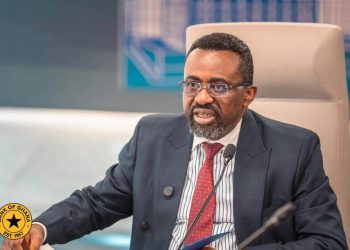
Bank of Ghana Governor Dr Johnson Pandit Asiama has cautioned that Ghana’s improving economic conditions must not create a false sense of security, as inflation begins to edge upwards despite remaining below the central bank’s medium-term target band.
He says the Monetary Policy Committee (MPC) must carefully examine emerging price pressures and external economic risks before deciding whether the current monetary policy stance remains appropriate.
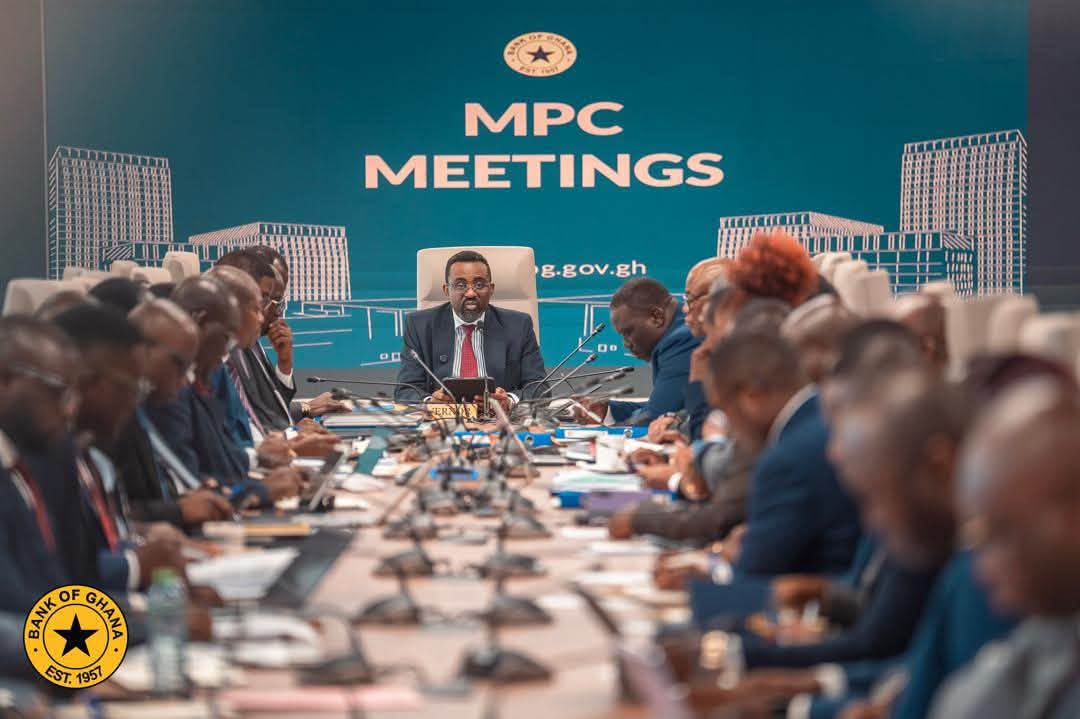
Speaking at the opening of the Bank of Ghana’s final MPC meeting for 2026 at Bank Square in Accra on Monday, November 16, Dr Asiama disclosed that headline inflation had increased from 5.2% in September to 5.5% in October.
While acknowledging that inflation remained in single digits, he stressed that the latest increase required closer scrutiny to determine whether it reflected temporary price adjustments or the beginning of sustained inflationary pressures.
“While inflation remains below our medium-term target band, the recent uptick warrants careful examination,” he stated.
The Governor directed the Bank’s technical staff to assess the contribution of food, non-food and services inflation, alongside developments in fuel prices, transport costs and other administered prices.
He also raised concerns about the potential impact of an unusually strong El Niño weather event on agricultural production across West Africa, warning that adverse weather conditions could affect Ghana’s food prices, cocoa production and export earnings into early 2027.
According to him, geopolitical tensions, global supply chain disruptions and fluctuations in commodity prices also remained significant threats to Ghana’s economic outlook.
The warning comes as the central bank assesses the sustainability of Ghana’s recent macroeconomic recovery, characterised by declining inflation, strong economic activity and improvements in the external sector.
Dr Asiama attributed these gains partly to disciplined policy implementation, effective liquidity management and reforms to the Bank’s foreign exchange operations and reserve management framework.
However, he insisted that maintaining economic stability would require continued vigilance.
“We cannot afford to be complacent. We remain conscious of the risks to the inflation outlook and the need to strengthen the economy’s resilience,” he cautioned.
The Governor maintained that the committee’s decisions must safeguard the progress made in restoring price stability and exchange rate confidence while supporting sustainable economic growth as Ghana enters 2027.