The Wassa Professionals Network (WPN) has called on the government to allocate at least 10 per cent equity ownership and 2 per cent of gross mineral sales revenue to host communities in all mining lease renewals and future mining arrangements within the Wassa traditional area.
The group says the proposed arrangement is necessary to ensure that communities whose ancestral lands host major mining operations receive a fair share of the wealth generated from their natural resources.
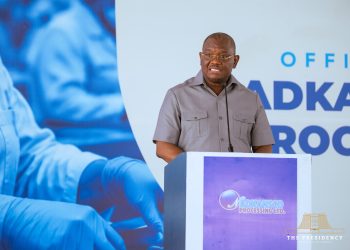
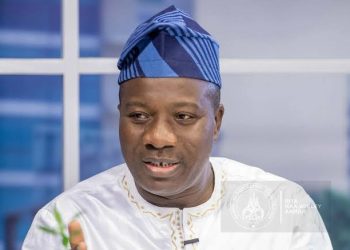
Presenting the group’s position at a press conference in Accra on Tuesday, November 17, 2026, President of the Wassa Professionals Network, Justice Conbinah, described the proposal as the “Wassa Reset”, an initiative aimed at reforming mining ownership, governance and benefit-sharing arrangements.
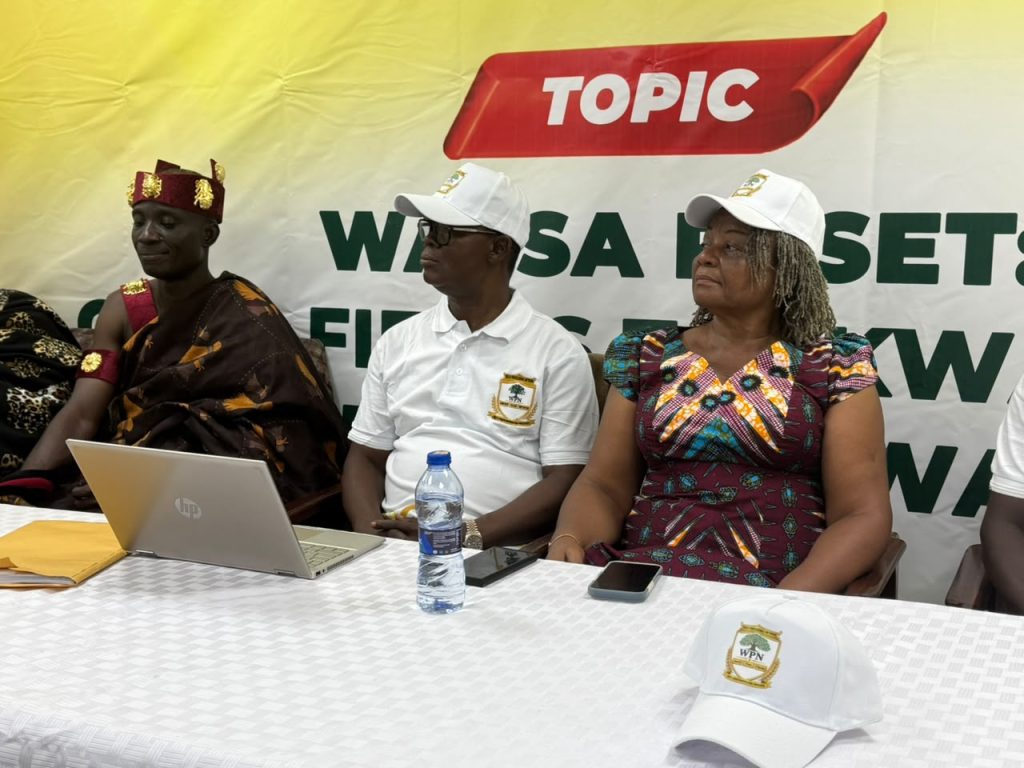
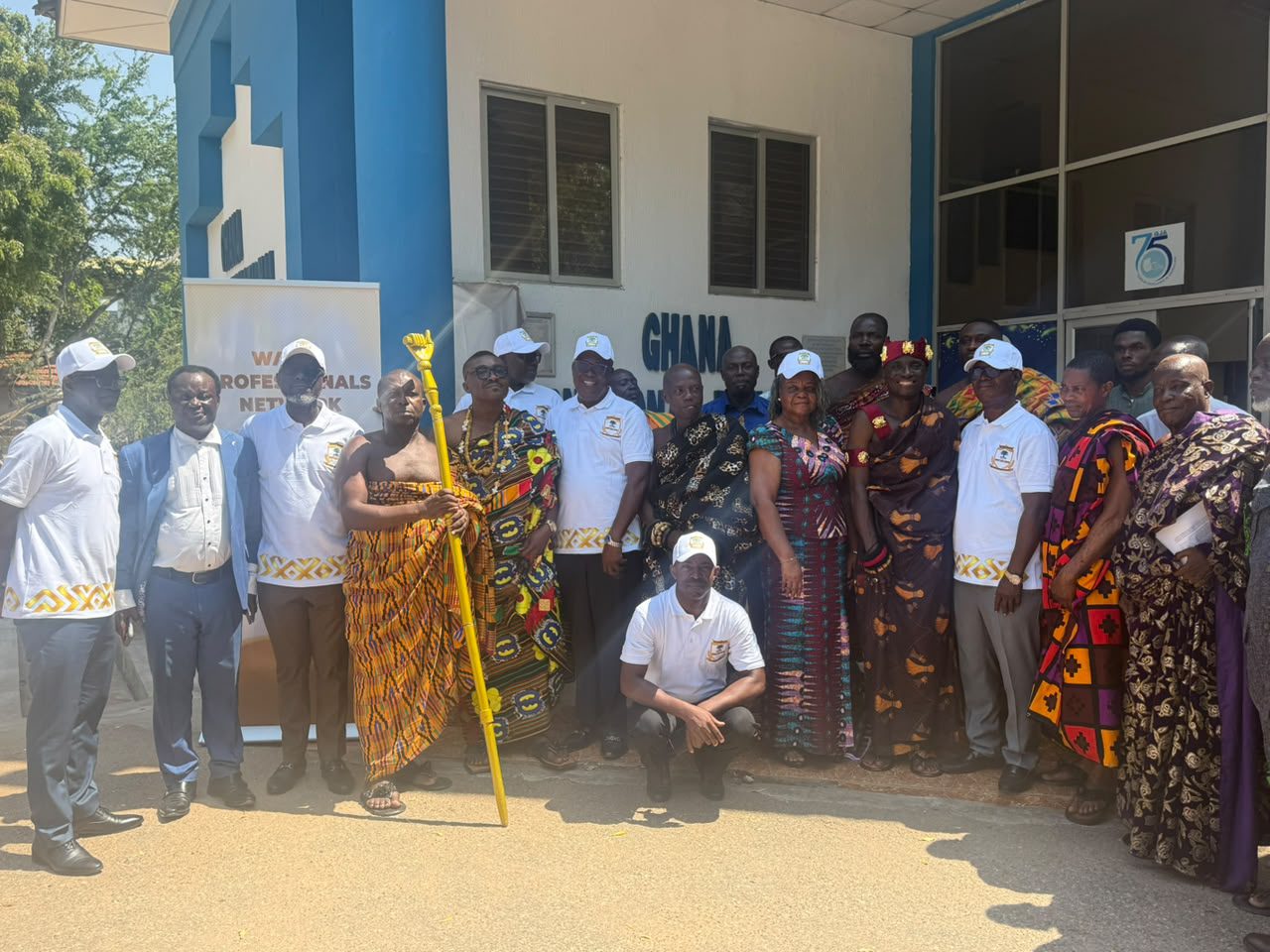
The press conference was attended by the Omanhene of the Wassa Fiase Traditional Area, Benso, Odeneho Akrofa Krukoko III, his elders and other traditional leaders from the Wassa traditional area.
The network, which brings together professionals from Amenfi, Fiase and Mpohor, said the ongoing renewal process of the Gold Fields Ghana Limited Tarkwa mining lease presents an important opportunity for the government to reconsider the relationship between mining companies, the state and host communities.
According to the group, although mining activities have contributed significantly to Ghana’s foreign exchange earnings, government revenue and employment, communities whose lands sustain these operations have not received a guaranteed ownership stake in the wealth generated.
Three Key Demands
Under its proposed reforms, the Wassa Professionals Network is demanding a 10 per cent free-carried equity interest for host communities, to be held through an accountable Wassa Trust Fund.
The proposed equity arrangement would include voting rights and representation on the boards of mining companies to ensure that communities have a voice in decisions affecting their resources.
The group is also demanding a direct allocation of 2 per cent of gross mineral sales revenue, payable quarterly into the proposed trust fund without deductions for operating costs, debts or management fees.
Additionally, it wants formal representation of Wassa communities, including through the network, in mining lease transition arrangements, negotiations and governance structures of future mining operations within the Wassa enclave.
Justice Conbinah stressed that the proposed benefits should be additional to existing statutory royalties, taxes, compensation, environmental restoration obligations and community development commitments.
“If the gold beneath Wassa creates wealth for Ghana and investors, the people whose ancestral lands host that wealth must also own a meaningful part of the prosperity it creates,” the group stated.
Proposes New Mining Ownership Structure
Beyond the three demands, the network has proposed a revised mining ownership structure that would give host communities a direct stake in mining companies.
Under the proposed model, mining investors would hold 60 per cent equity, the Government of Ghana would retain its existing 10 per cent free-carried interest, while host communities would receive 10 per cent through the Wassa Trust Fund.
The remaining 20 per cent would be floated on the Ghana Stock Exchange to broaden Ghanaian participation in the mining sector.
The group believes the proposed arrangement would preserve majority investor ownership while ensuring that local communities and Ghanaian investors benefit more directly from mineral extraction.
It acknowledged that the proposal would require legal, regulatory and commercial considerations but maintained that community participation in mining ownership should become a fundamental part of Ghana’s mineral governance framework.
Raises Concerns Over Environmental and Social Costs
The Wassa Professionals Network also highlighted the long-term social, economic, cultural and environmental costs mining communities have endured over the years.
It cited the loss of agricultural lands and livelihoods, displacement of communities, environmental degradation, relocation of ancestral graves and sacred sites, as well as concerns about human rights in mining areas.
The group referenced historical research estimating that approximately 4,935 hectares of farmland were lost between 1986 and 2002 within the Tarkwa, Bogoso/Prestea and Damang mining concessions.
It also cited the 2001 tailings dam failure at the Gold Fields Tarkwa Mine, which released mining waste into the Asuman River, affecting aquatic life.
According to the network, such historical experiences demonstrate why compensation alone cannot adequately address the long-term sacrifices made by mining communities.
It argued that communities deserve more than compensation for lands and livelihoods lost to mining, insisting that they should have an enduring economic stake in the resources extracted from their ancestral lands.
Tarkwa Lease Renewal Presents Historic Opportunity
The network said the renewal of the Tarkwa mining lease, which is approaching its stated expiry in April 2027, should not be treated merely as a continuation of existing mining arrangements.
It described the process as an opportunity to negotiate a new partnership that prioritises local ownership, technology transfer, community development and sustainable mining.
The group acknowledged Gold Fields Ghana Limited’s contributions through employment, procurement, compensation and corporate social responsibility but maintained that these interventions do not amount to direct community ownership.
It further argued that whether the mine is operated by a Ghanaian or foreign investor, the interests of host communities must be protected under any new arrangement.
The network therefore called on the government, Parliament, the Minerals Commission, Gold Fields Ghana Limited, traditional authorities and civil society organisations to engage with its proposals.
“We are not opposed to mining. We seek a fairer mining partnership. We are not opposed to investment. We seek investment that creates enduring value for both investors and host communities. And we are not asking for charity. We are calling for equity, ownership, justice and intergenerational prosperity,” the statement declared.
The Wassa Professionals Network expressed readiness to engage relevant stakeholders, stressing that the proposed Wassa Reset should become the foundation for a new era of responsible mining and shared prosperity.
It said the ultimate objective was to ensure that the people of Wassa become direct beneficiaries and shake
Story by Osman Issah Abadoo