The government is moving to reposition metropolitan, municipal and district assemblies (MMDAs) as active drivers of investment and industrial development, in a renewed effort to unlock economic opportunities across Ghana’s 16 regions and reduce the concentration of private capital in major urban centres.
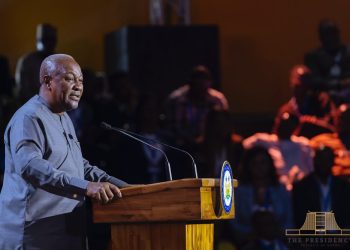
Minister for Local Government, Chieftaincy and Religious Affairs, Mahama Ayariga, says Ghana’s economic transformation cannot be sustained if investment, industrial activity and employment opportunities remain concentrated in a few established commercial centres while vast resources across the country remain underdeveloped.
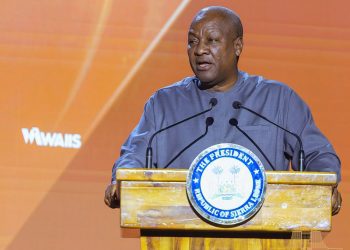
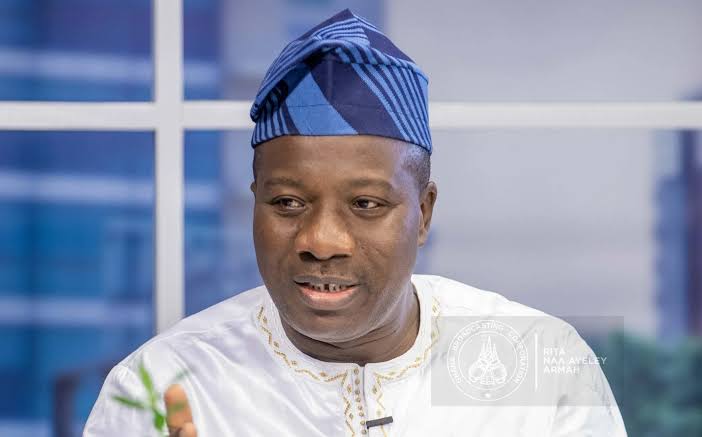
In a speech delivered on his behalf by the Deputy Minister, Rita Naa Odoley Sowah, at the Invest Ghana Summit 2026 in Accra, Mr Ayariga called for a fundamental shift in the role of local authorities, from managing administrative responsibilities to actively attracting investors, facilitating business development and creating employment.
He argued that Ghana’s agricultural lands, mineral deposits, forests, water resources and tourism attractions offered significant opportunities for economic transformation, but many remained inadequately developed because of limited investment.
According to him, the challenge was to convert these resources into commercially viable enterprises capable of supporting manufacturing, industrialisation, value addition and sustainable economic growth.
“Our national prosperity must be built on the productive potential of all sixteen regions,” the Minister stated.
He identified commercial agriculture, livestock production, irrigation, agro-processing, renewable energy and cross-border trade as major investment opportunities in the Northern, North East, Savannah, Upper East and Upper West regions.
In the Ashanti, Bono, Bono East, Ahafo and Western North regions, he highlighted opportunities in cocoa and cashew processing, oil palm production, food manufacturing, timber processing, mining services and mineral beneficiation.
The Greater Accra, Central, Western, Volta, Oti and Eastern regions, he noted, also possessed significant potential in manufacturing, fisheries, aquaculture, tourism, maritime services, logistics, renewable energy, technology and real estate.
Mr Ayariga stressed that identifying investment opportunities was insufficient unless they were developed into credible, commercially viable projects capable of attracting financing.
He commended the Ghana Investment Promotion Authority for its investment opportunity mapping initiative and regional investment roadshows, but urged stakeholders to translate the identified opportunities into actual investments.
District Assemblies Must Become Investment Facilitators
The Minister said the government expected every metropolitan, municipal and district assembly to progressively identify its economic strengths, prepare credible investment profiles and develop commercially viable projects for prospective investors.
He explained that Section 12 of the Local Governance Act, 2016 (Act 936), placed responsibility for local economic development on district assemblies, including the mobilisation of resources, promotion of productive activities and removal of obstacles to development.
He further cited the Local Economic Development Policy 2024–2029 as a framework for strengthening district-level business environments, expanding access to finance, improving infrastructure and developing entrepreneurial skills.
According to him, local authorities must become responsive to the needs of businesses by simplifying administrative procedures, facilitating access to relevant information and supporting partnerships between investors and local enterprises.
“We must reposition our MMDAs from being primarily administrators of local affairs to becoming facilitators of local economic growth and investment,” he emphasised.
The Minister maintained that decentralisation should extend beyond the transfer of administrative responsibilities to include empowering local institutions to stimulate economic activity and attract private capital.
Government Targets Competitive and Sustainable Cities
Turning to urban development, Mr Ayariga warned that poorly planned urbanisation, inadequate infrastructure, traffic congestion, environmental degradation and weak land-use management could undermine Ghana’s economic competitiveness.
He said the government had introduced the National Urban Policy and Implementation Plan 2026–2035 to promote inclusive, resilient and sustainable urban development while positioning Ghanaian cities as competitive centres of economic activity.
The policy, he explained, prioritises balanced urban growth, improved land-use planning, climate resilience, stronger urban economies, infrastructure financing, affordable housing, urban safety and expanded access to essential services.
He therefore urged district assemblies to ensure that spatial development frameworks and local development plans supported industrial and commercial activities without compromising orderly urban growth.
The Minister maintained that cities and towns must be equipped with the infrastructure and planning systems necessary to attract investment, support businesses and generate employment.
His remarks formed part of discussions at the Invest Ghana Summit 2026 aimed at identifying investment opportunities across Ghana’s regions and mobilising private capital to support economic transformation.
He stressed that the success of Ghana’s development agenda would depend on the ability of local authorities, government institutions and private investors to convert regional economic potential into productive enterprises, decent jobs and sustainable prosperity.