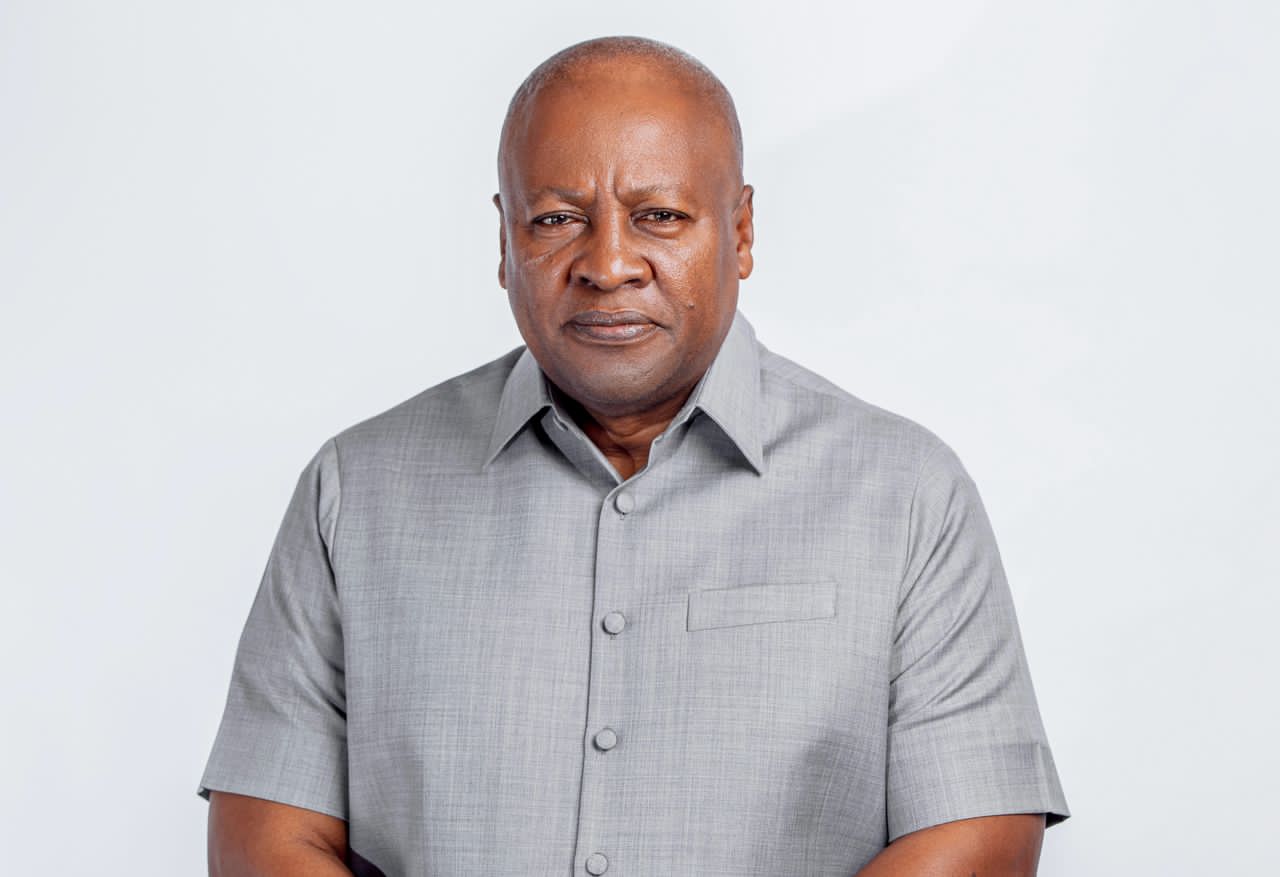
Accra is set to host a historic gathering of African leaders and global health stakeholders on Tuesday, August 5, as President John Dramani Mahama convenes the Africa Health Sovereignty Summit, a high-level meeting aimed at reshaping global health governance in favor of African priorities.
The summit, themed “African Health Sovereignty in a Reimagined Global Health Governance Architecture,” will bring together African Heads of State, international development partners, health experts, and policymakers to endorse a new vision for sustainable and inclusive health systems on the continent.
Speaking ahead of the summit, President Mahama emphasized the urgent need for reform in the global health governance landscape.
“Africa must take charge of its health destiny—not in isolation, but through determined, coordinated action,” he said.
“This Summit is our moment to lead—not only in financing our systems but also in reshaping the rules that govern global health—rules that must reflect the voices and realities of our people.”
Background: Progress and Pressing Realities
Over the past three decades, global health has recorded significant improvements. Child mortality has been halved since 1990, maternal deaths have dropped by over 40% since 2000, and deaths from HIV/AIDS have decreased by half since 2010. Additionally, 1.4 billion people have benefitted from improved tobacco control, better air quality, and increased access to clean water and sanitation.
However, leaders at the Accra summit will argue that these gains are under threat. With growing geopolitical instability, dwindling multilateral cooperation, and declining donor funding, African nations face mounting pressure to assume greater control over their health systems.
“The current global health architecture was built in a different era and is no longer fit for purpose,” a senior official from Ghana’s Ministry of Health noted. “We need a new framework that reflects today’s demographic, economic, and political realities.”
Summit Goals and Expected Outcomes
A key deliverable from the gathering will be the formal adoption of The Accra Initiative, a bold outcome document that outlines Africa’s shared vision for health sovereignty, national leadership, and equitable global cooperation.
The summit will also:
Establish a Presidential High-Level Panel to draft a roadmap for overhauling global health governance;
Launch the SUSTAIN Initiative, aimed at building resilient, country-led health systems funded by domestic resources, private investment, philanthropy, and technical partnerships;
Endorse the Accra Compact, which articulates Africa’s demands for a more just and inclusive global health system;
Commit to principles of inclusivity, accountability, resilience, sustainable financing, and cross-sector collaboration.
A Continuation of African Leadership
Observers see the Accra Summit as a natural extension of African-led health reforms, including President Paul Kagame’s efforts on continental health financing and the African Union’s push for stronger coordination mechanisms.
President Mahama’s initiative also builds on his longstanding role in global health leadership. During the 2014 Ebola outbreak, he led regional coordination efforts that helped prevent the epidemic from spreading across West Africa—a legacy that continues to shape his approach.
The President’s address at the June 2025 Global Summit on Health and Prosperity in Brussels further set the tone for this week’s summit, where African countries are expected to speak with one voice on the need for urgent reform.
A Defining Moment for Africa and the World
Analysts say the Accra Summit could become a defining milestone in Africa’s long-term health independence.
“This is not just another meeting. It’s a moment of reckoning, a continental declaration that Africa is ready to lead—not just in crisis response, but in designing the future of global health,” said Dr. Ama Boateng, a public health expert and advisor to the summit.
As the world watches Accra, hopes are high that this summit will mark a shift from dependency to self-determination, from outdated governance to shared global responsibility—with Africa at the heart of that transformation.