The Bank of Ghana has warned that the growing spread of misinformation, deepfakes and artificial intelligence-generated financial rumours poses a serious threat to public confidence, financial stability and the credibility of economic institutions.
The Bank says the increasing sophistication of digital disinformation, particularly false information targeting currencies and financial markets, makes accurate and ethical journalism essential to protecting households, businesses and the wider economy.
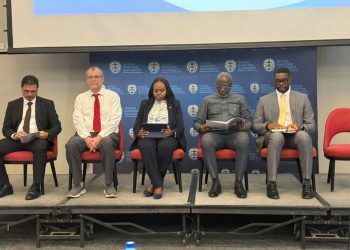
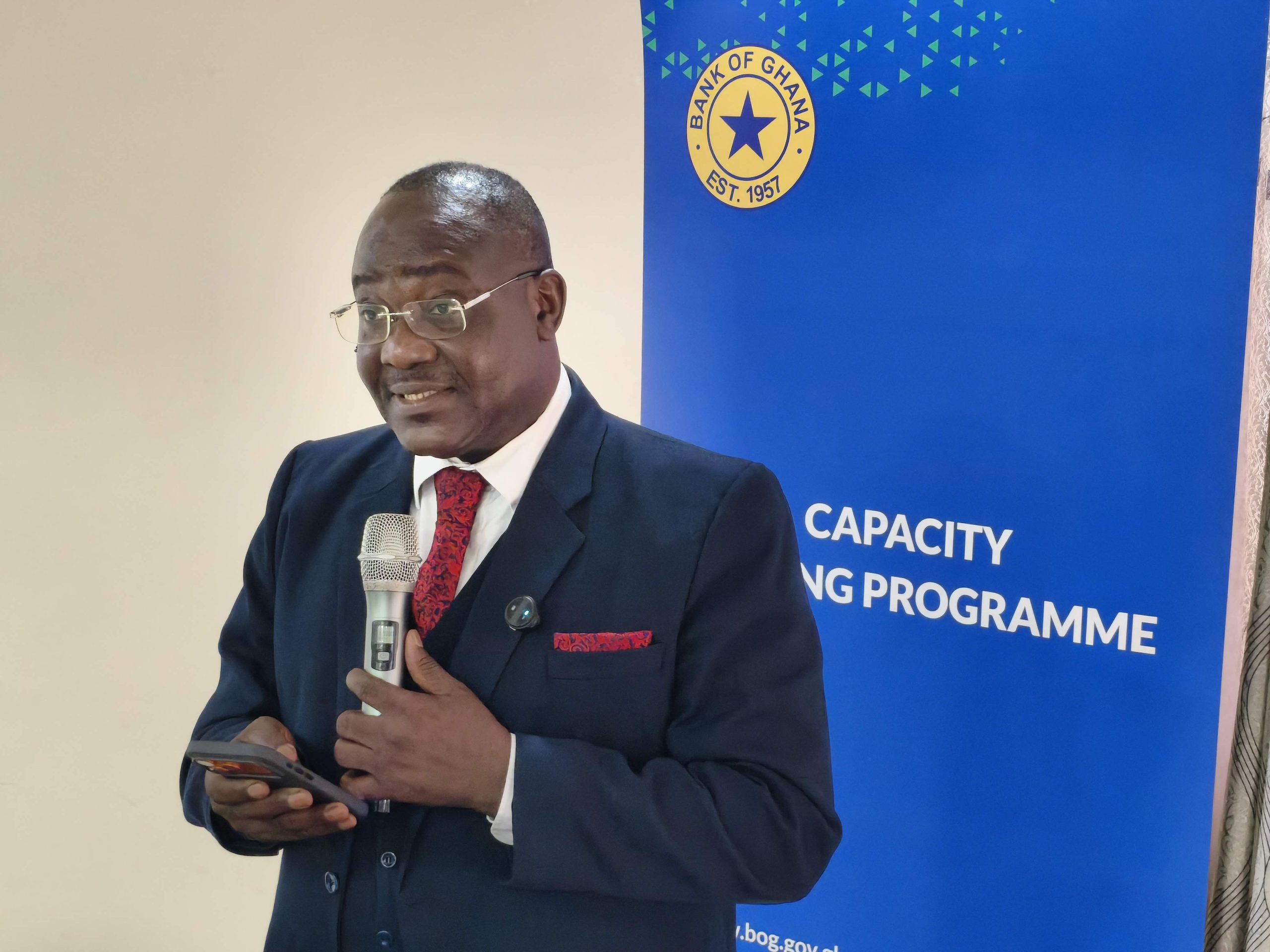
Speaking at the opening of the Bank of Ghana Press Corps Training Workshop on Monday, October 19, 2026, the Director of Communications at the Bank, Mr Bernard Otabil, stressed that journalists have a critical responsibility to verify information and provide balanced, accurate and contextual reporting on economic and financial developments.
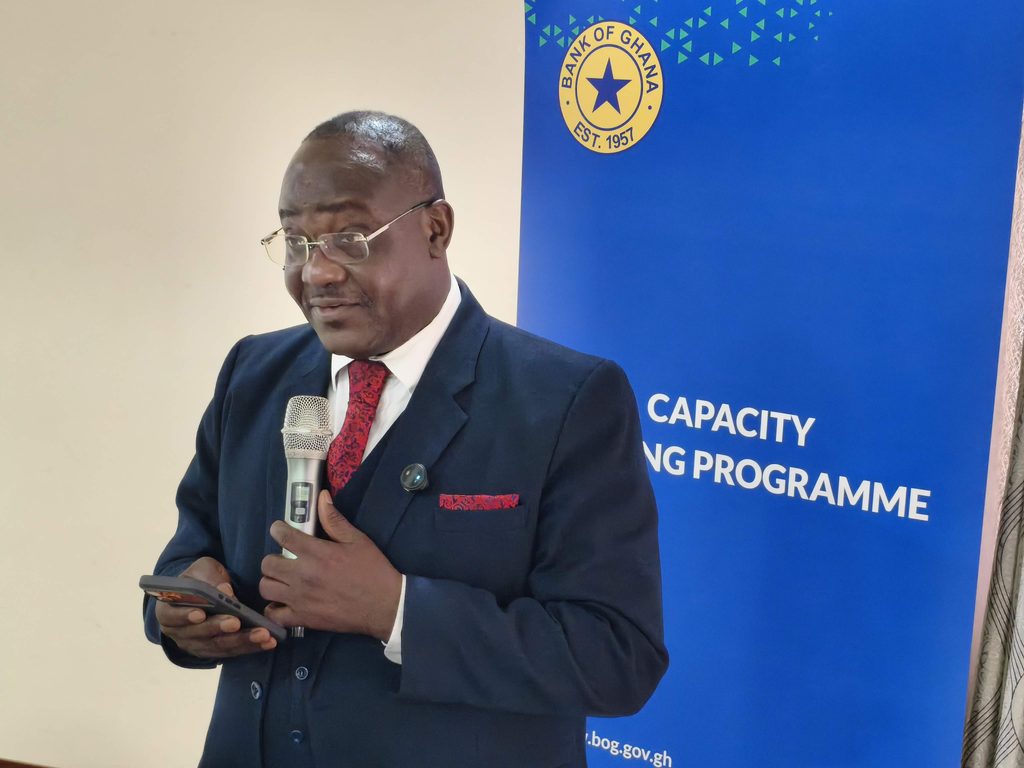
“Ethical reporting, grounded in verification, balance, context and clarity, is our first defence against disinformation and misinformation,” he stated.
Mr Otabil explained that the rapid advancement of digital technologies had increased the scale and speed at which misleading financial information could circulate, creating new challenges for central banks and the media.
According to him, these challenges are global in nature, with no country or central bank immune to their effects.
Drawing attention to the World Economic Forum’s Global Risks Report, Mr Otabil noted that misinformation and disinformation had been identified among the world’s most severe risks.
He maintained that the growing threat had made credibility one of journalism’s most valuable assets, particularly in financial reporting, where inaccurate information could influence public expectations and economic decisions.

“That is why credibility has become journalism’s most valuable, vulnerable asset,” he said.
Mr Otabil emphasised that responsible financial journalism extends beyond informing the public, as credible reporting also contributes to protecting savings, maintaining confidence and supporting economic stability.
“When you uphold ethical standards, you do more than find a story. You anchor expectations, protect savings, safeguard economic stability, and help Ghanaians make informed choices,” he stated.
The Communications Director reiterated the Bank’s readiness to strengthening engagement with the media through continuous professional training and improved access to information.
He announced that the Bank would deepen its collaboration with journalists through expanded training programmes, regular press forums, editors’ forums and dedicated communication platforms.
He also highlighted the Governance, Economic and Financial Story of the Year Award as part of efforts to encourage quality journalism on economic and financial matters.
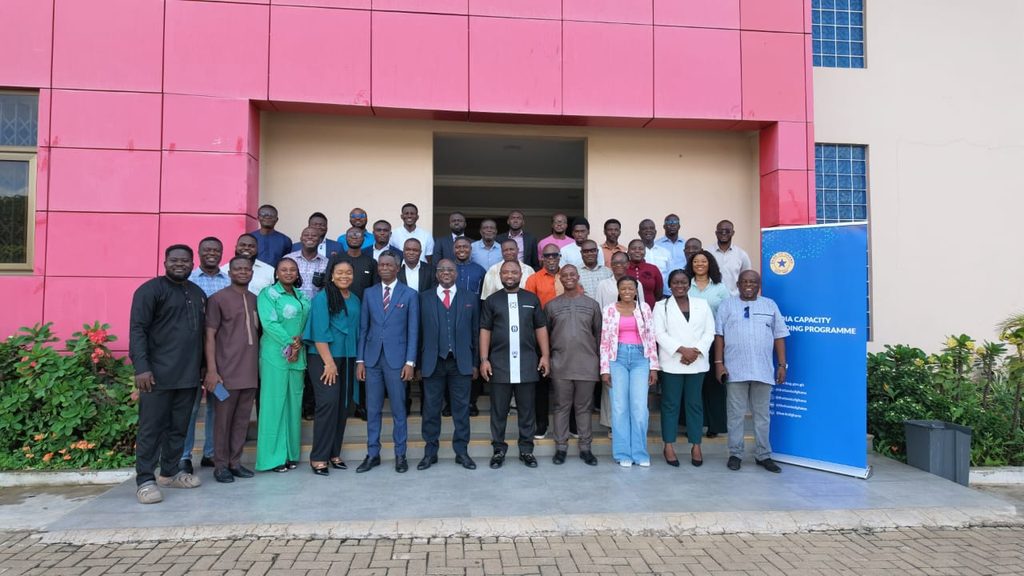
The three-day training workshop, scheduled for October 19 to 21, 2026, covers ethical financial reporting, the Bank of Ghana’s regulatory mandate, central bank balance sheets, the domestic gold purchase programme, foreign exchange market developments, inflation dynamics and monetary policy communication.
The programme forms part of the Bank’s efforts to strengthen journalists’ understanding of central banking and promote accurate, responsible reporting on issues affecting Ghana’s economy.