The Ghana Maritime Authority (GMA) is working with relevant ministries and maritime industry stakeholders to develop a roadmap for implementing a fully integrated Maritime Single Window to streamline vessel clearance, improve port efficiency and reduce the cost of doing business.
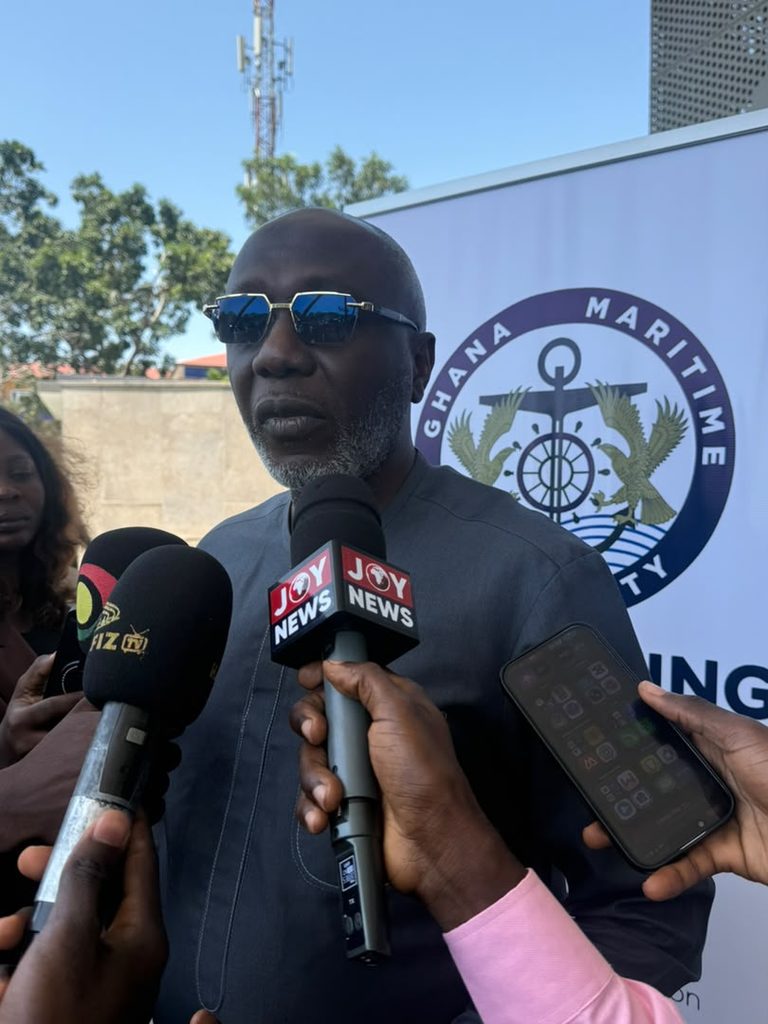
Director-General of the Ghana Maritime Authority, Dr Kamal Deen Ali, said Ghana already had several digital systems supporting maritime operations, but integrating them would be critical to improving information exchange and coordination among port authorities, customs, immigration and other regulatory agencies.
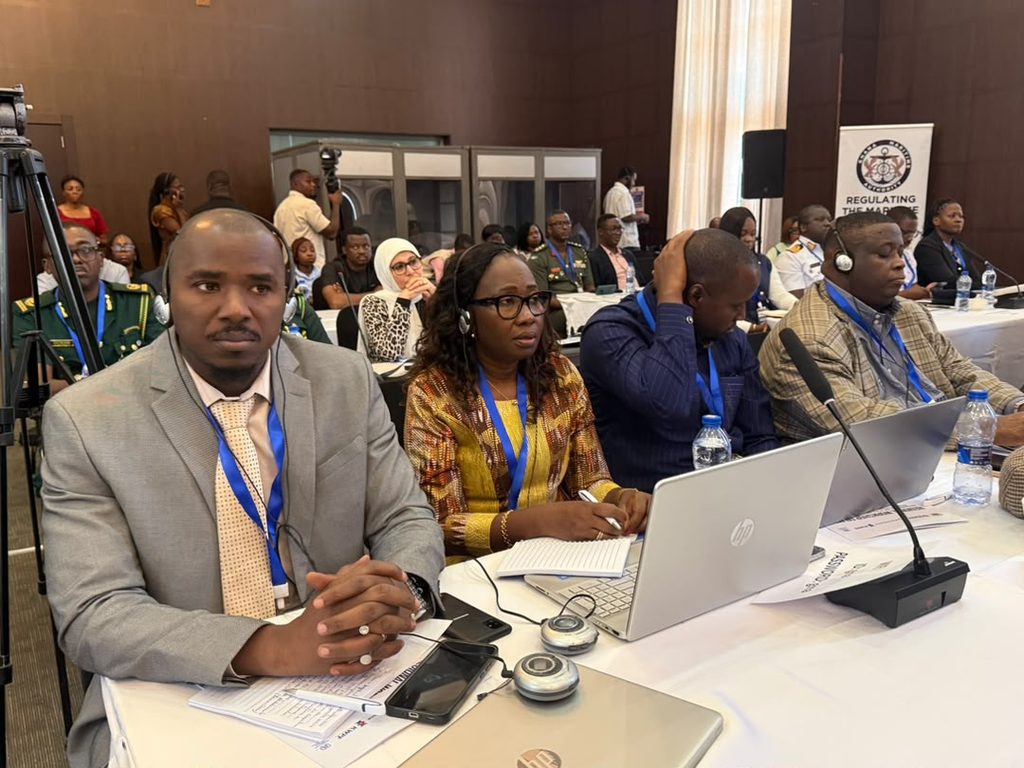
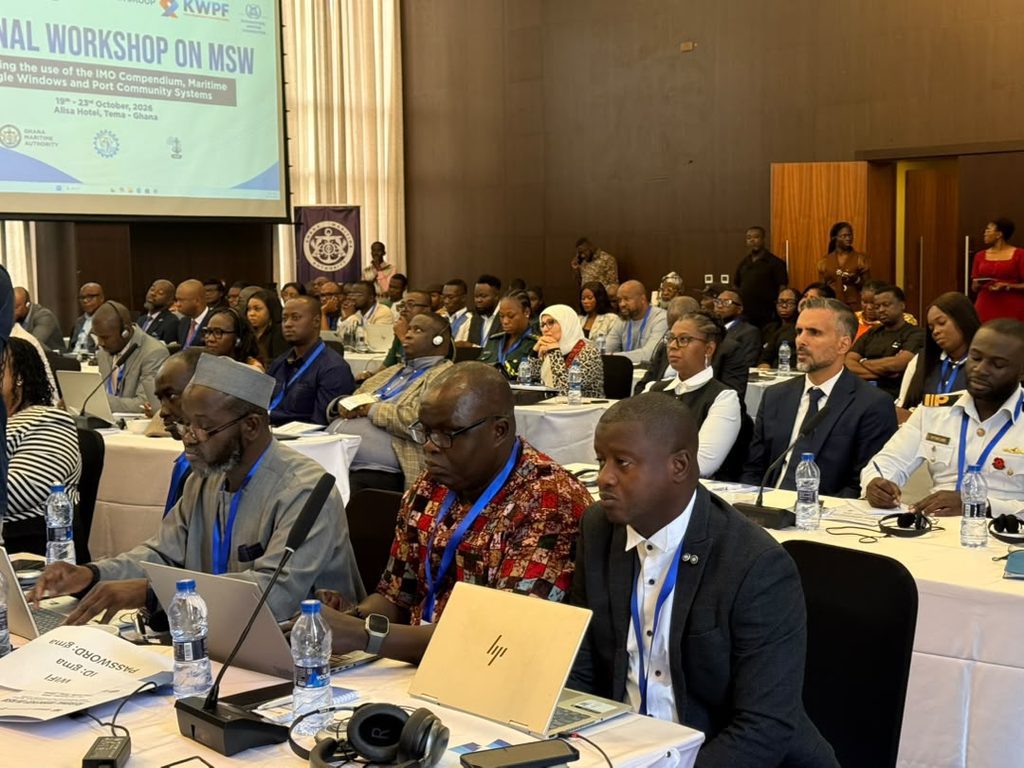
He was speaking at a regional workshop on Maritime Single Window and Port Community Systems in Tema, which brought together representatives from African countries, international development partners and maritime industry stakeholders to discuss strategies for advancing maritime digitalisation and trade facilitation.
Dr Ali explained that Ghana currently operates different digital platforms for maritime and port activities, including the ICOMS system used by Customs, vessel clearance systems operated by the Ghana Ports and Harbours Authority (GPHA), and vessel monitoring systems managed by the Ghana Maritime Authority.
He said integrating these systems into a coordinated platform would help eliminate duplication, improve information sharing and strengthen collaboration among the agencies responsible for port operations.
According to him, the Authority’s existing coordination mechanisms, including the Trade Facilitation Committee chaired by the GMA, provide a foundation for developing the proposed integrated system.

Dr Ali said the Authority would work with relevant ministries, public institutions and private-sector stakeholders to develop a roadmap to guide the implementation process.
He acknowledged that institutional ownership and control of information could pose challenges to the integration process but stressed the need for agencies to prioritise the collective interest of facilitating trade.
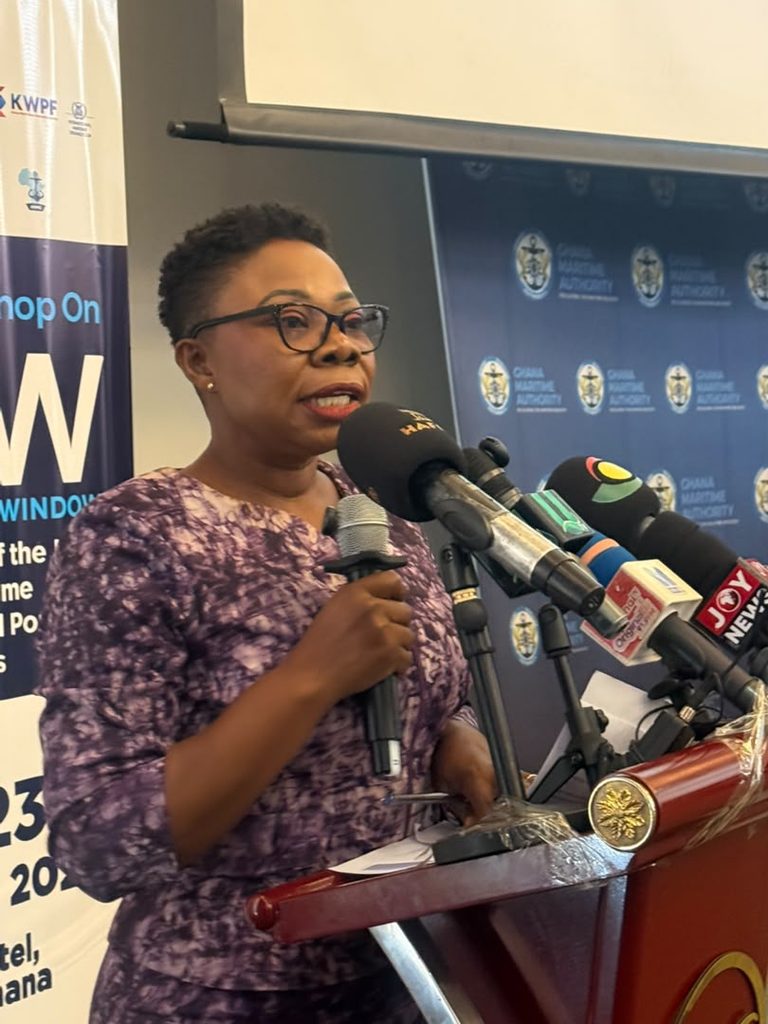
He expressed confidence that the workshop would provide an opportunity for participating countries to share experiences, identify challenges and develop practical solutions to advance maritime digitalisation.
The International Maritime Organization (IMO) has required the use of Maritime Single Window systems for the electronic exchange of information relating to ships’ arrival, stay and departure from ports since January 2024.
World Bank Highlights Importance of Connected Digital Systems
A representative of the World Bank Group, Satya Sahu, said ports had evolved beyond physical gateways into digital gateways, making efficient information exchange increasingly important to international trade.
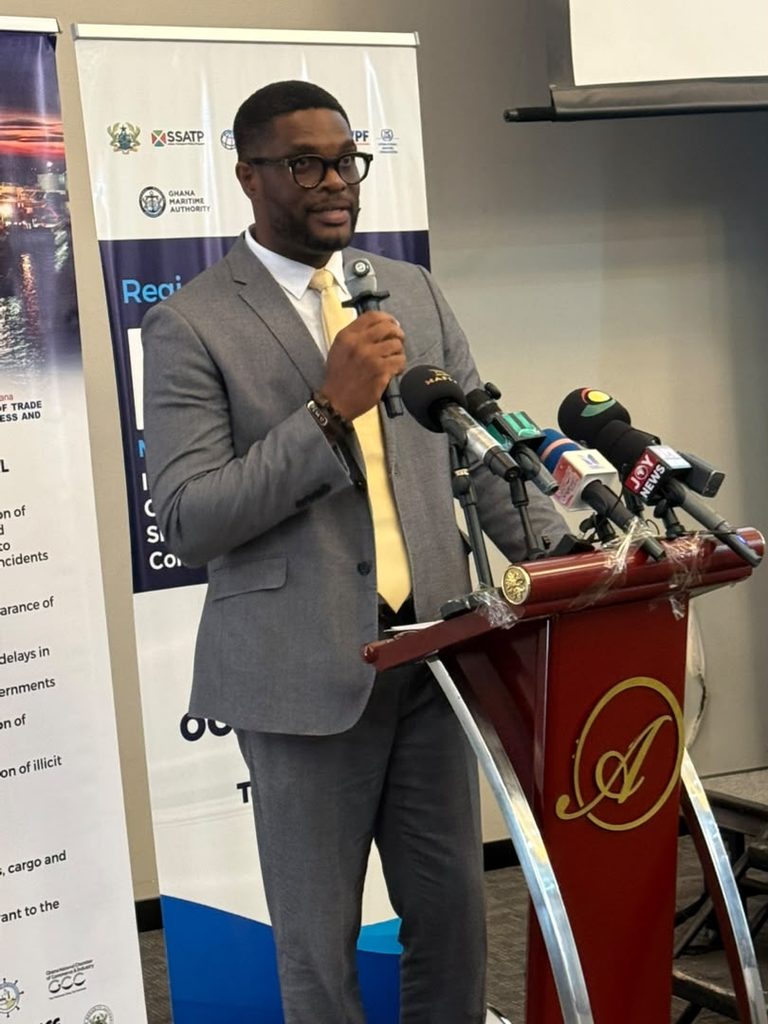
He explained that although many ports had introduced digital systems for individual operations, the lack of integration often forced businesses and shipping stakeholders to submit the same information repeatedly to different institutions.
According to him, digitisation alone does not amount to digital transformation if institutions continue to operate independently and information cannot move seamlessly between their systems.
Mr Sahu distinguished between the Maritime Single Window and the Port Community System, explaining that the former provides a coordinated digital environment for the formalities associated with ships’ arrival, stay and departure, while the latter connects the wider port and logistics community to facilitate the movement of ships and cargo.
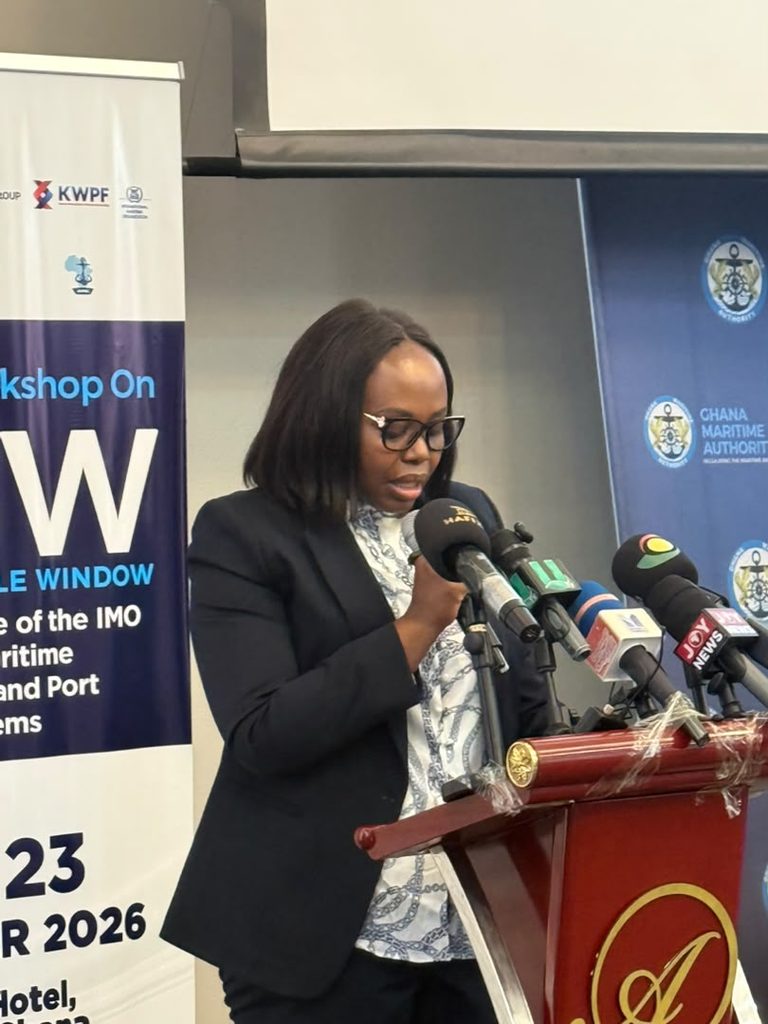
He stressed that successful implementation would require more than the procurement of software, noting that institutional cooperation, appropriate legal and regulatory frameworks, clear governance arrangements, common data standards and private-sector participation were equally important.
He further emphasised the need for interoperability, explaining that countries did not necessarily have to adopt identical systems but should ensure that their respective platforms could exchange information securely using internationally recognised standards.
For West Africa, he said, connecting digital systems across ports, trade corridors and countries could improve regional trade and strengthen the region’s links to global markets.
Mr Sahu encouraged participants to use the workshop to share practical lessons on what had worked, the challenges encountered and how countries could improve their approaches to maritime digitalisation.

He said the ultimate objective was not simply to introduce new digital platforms, but to make trade easier, improve port efficiency, strengthen government controls and make maritime transport more competitive.
Transport Ministry Calls for Stronger Regional Cooperation
In a keynote address delivered on behalf of the Minister for Transport, the Ministry’s Director of Research, Statistics and Information, Merlyn Gaskin, called for stronger institutional coordination and regional collaboration to improve maritime trade.
He said Ghana’s ports, particularly Tema and Takoradi, were strategic national assets that connected local businesses to international markets and supported economic growth.
However, he noted that delays, repeated submission of information and weak coordination among agencies could increase the cost of doing business, with consequences for businesses, consumers and the wider economy.
Mr Gaskin said Ghana had made progress in modernising port and trade operations through integrated port management systems, port visa systems and electronic information exchanges.
He urged stakeholders to translate discussions at the workshop into practical outcomes, including stronger cooperation among institutions, adequate technical and financial support, and a realistic implementation plan for the Maritime Single Window.
He also underscored the importance of regional collaboration, noting that trade extended beyond national borders and that cooperation among West African countries could help reduce administrative bottlenecks and improve port efficiency.
Mr Gaskin acknowledged the contributions of the Ghana Revenue Authority, the Ghana Ports and Harbours Authority, the Ghana Maritime Authority, the International Maritime Organization, the World Bank and other partners towards advancing maritime trade facilitation.
Regional Partners Support Maritime Digitalisation
The workshop has brought together representatives from several African countries, including The Gambia, Côte d’Ivoire and Tanzania, alongside regional port associations and international development partners.
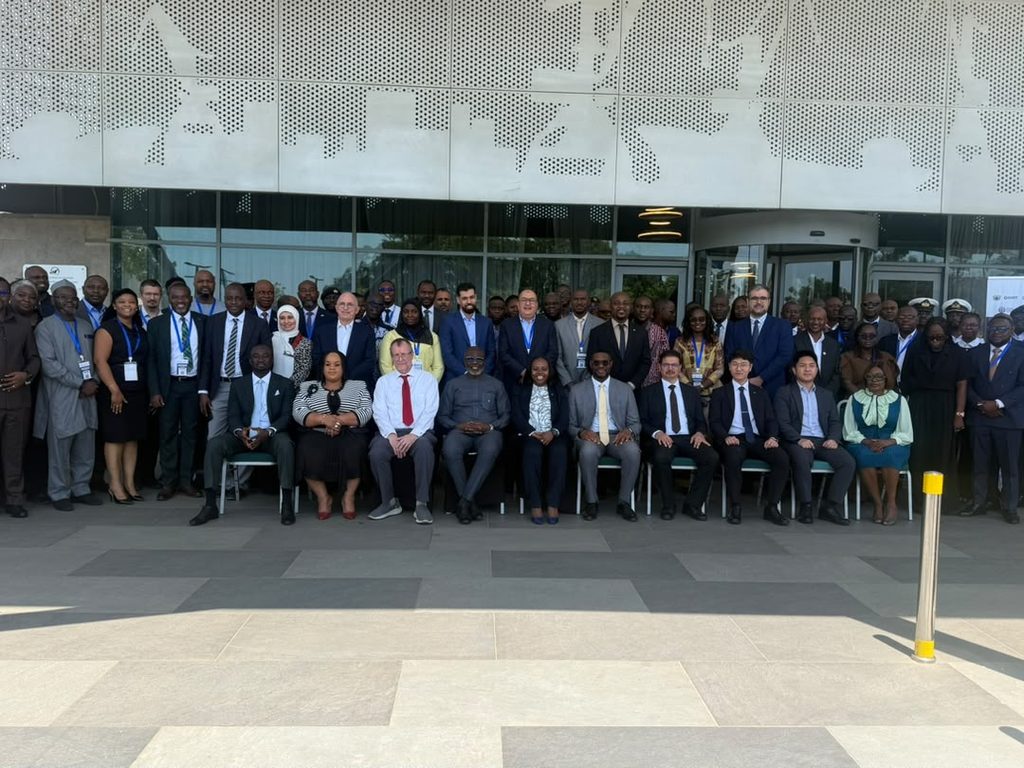
Participating institutions include the International Maritime Organization, the World Bank, the African Development Bank and the Republic of Korea.
The discussions are focused on strengthening the implementation of Maritime Single Window systems and promoting the use of the IMO Compendium to support standardised information exchange among maritime administrations.
The engagement is expected to provide a platform for countries to exchange experiences, identify practical solutions to common challenges and strengthen cooperation in developing interoperable digital systems.
The initiative forms part of broader efforts to improve maritime trade facilitation, reduce administrative bottlenecks and strengthen the competitiveness of African ports in regional and international markets.
Story by Osman Issah Abadoo