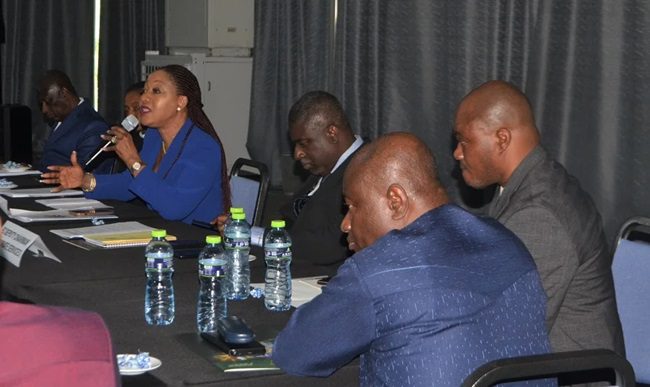
In the current global push for more transparent, inclusive, and credible electoral processes, there is an urgent need for comprehensive rethinking of how elections are managed. The Inter-Party Advisory Committee (IPAC) of any Electoral Management Body (EMB) plays a pivotal role in shaping electoral policies and practices. For the IPAC to achieve its mandate, it must evolve into a structured, expertise-driven body that incorporates foresight, inclusivity, and procedural best practices.
The Apex of Electoral Policy Rethinking and Advisory
At its core, an effective IPAC must serve as a high-level electoral policy advisory and oversight body. It should operate at the intersection of political governance, technology, law, and elections management, constantly rethinking governance and electoral policies to align with evolving political landscapes, technological advancements, and international best practices. IPAC should not be an ad-hoc body; instead, it must be a strategic institution embedded in the electoral architecture of the country, with a clear mandate to advise the Electoral Commission (EC) on matters that enhance the integrity, transparency, and inclusivity of elections.
Best Practice in Expertise Cluster
To function effectively, an IPAC must be made up of individuals with expertise in these key areas:
1. Electoral Commission Operational Expertise – Experts familiar with the internal workings and challenges of the EC to ensure policies are practical and implementable within the operational framework of the EMB.
2. Political-Governance Expertise – Representatives or experts from political parties and civic governance organizations who understand the political ecosystem and can offer insights into the political implications of electoral decisions.
3. Information Technology Expertise – In an era of digital voting systems and cybersecurity threats, having IT professionals is critical for advising on the secure, transparent, and efficient use of technology in elections.
4. Legal Expertise – Lawyers with experience in electoral law to ensure that all IPAC decisions are grounded in legal frameworks and can withstand judicial scrutiny.
5. Elections Management Expertise – Professionals with hands-on experience in managing elections, from logistics to voter registration, to advise on technical improvements and operational efficiency.
6. Expertise from functional management areas including finance (audit), procurement, human resource, research, monitoring and evaluation, among others.
Sponsors of Expertise
The expertise in the committee should not be limited to political parties. A broader coalition of stakeholders, including civic society, donors, election observer missions, and the media, should be represented. These groups bring diverse perspectives and provide oversight, ensuring that decisions are not just politically balanced but also socially accountable.
– Electoral Commission (EC) serves as a critical sponsor of expertise, bringing its deep knowledge of electoral operations, logistics, and regulatory frameworks to the advisory committee. Just like other experts in political governance, IT, and legal fields, the EC’s role ensures that technical and procedural aspects of elections are accurately represented and integrated into policy decisions.
– Political Parties: They ensure representation from across the political spectrum, making IPAC a neutral ground for resolving disputes.
– Civic Society Organizations (CSOs): CSOs can provide advocacy for marginalized groups, helping ensure inclusivity in electoral processes.
– Donors and Election Observer Missions: They bring international best practices, funding support, and oversight that enhances credibility.
– Media Union: The media, as watchdogs of democracy, contribute insights on transparency and the dissemination of information.
Best Practice in Procedure
To be effective, the procedures of IPAC meetings must follow best practices in transparency, accountability, and efficiency.
1. Regular and Structured Meetings – IPAC should meet regularly, particularly in the lead-up to elections. Meetings should follow a structured agenda, with clear action points, timelines, and follow-ups.
2. Data-Driven Decision Making – Discussions within the committee must be informed by data, whether related to voter turnout, election disputes, or logistical challenges. The IT and research arms of the committee should present regular reports to guide policy decisions.
3. Consensus Building – While differing views are expected, the committee’s decision-making should aim for consensus. Clear procedures for resolving disputes must be in place to avoid deadlocks that could erode public trust.
4. Transparency and Public Reporting – To maintain public confidence, the outcomes of IPAC meetings should be made available to the public through reports or press releases, ensuring transparency and accountability.
5. Foresight and Innovation – Beyond reactive decision-making, IPAC must prioritize foresight. This involves scenario planning for potential electoral challenges such as technological disruptions, security risks, or legal disputes. The committee should engage in continuous policy innovation to future-proof elections.
Legislative Structure and Secretariat
The legislative and management structure for an Inter Party Advisory Committee (IPAC) should be grounded in a clear legal framework, defining its advisory role, scope, and relationship with the Electoral Commission (EC). The management structure should consist of a chairperson based on varying leadership models, a permanent secretariat for operations.
IPAC Leadership Options
The leadership structure of an Inter Party Advisory Committee (IPAC) is crucial to its functionality and effectiveness. There are several leadership models that could be adopted to ensure neutrality, accountability, and strong decision-making. One option is a rotational leadership model, where leadership alternates among representatives of key stakeholders, such as political parties, civil society, and election observers. This model promotes inclusivity and reduces the risk of bias. Another option is the appointment of an independent chairperson, someone with no political affiliations but a strong background in elections management, governance, or law, to ensure objective oversight. Alternatively, a co-leadership structure could be established, pairing leaders from different stakeholder groups to balance political and technical perspectives. Whichever model is chosen, the leadership must be transparent, collaborative, and focused on upholding the integrity of the electoral process.
Budgetary Planning and Resource Allocation for Effectiveness
A crucial element in ensuring the success of an Inter-Party Advisory Committee (IPAC) is sound budgetary planning and resource allocation. The committee’s effectiveness hinges on having the necessary financial and logistical resources to conduct its operations smoothly. This includes funds for regular meetings, expert consultations, training programs, and technological infrastructure such as data analytics tools for monitoring election trends. Additionally, resources should be allocated for public outreach initiatives to foster transparency and civic engagement. Donor organizations, development partners, and government support should be leveraged to create a sustainable funding model that ensures IPAC can operate independently and efficiently. Proper budgetary planning will allow the committee to focus on its advisory role without disruptions, ensuring continuous improvement in electoral policies and practices.
Conclusion: A Vision for IPAC’s Future
The future of electoral integrity hinges on building a strong, expert-driven Interparty Advisory Committee that serves as a pillar of policy innovation and transparency. By embedding expertise in political governance, law, IT, and elections management, and ensuring broad-based representation, IPAC can provide meaningful oversight and advice to the Electoral Commission. Moreover, adhering to best procedural practices will ensure that IPAC remains a credible, forward-thinking body that can shape the future of democracy.
As elections become more complex and subject to greater scrutiny, the need for a well-structured and expertly led IPAC has never been more urgent for Ghana and the sub-region.
The writer Seth Doe is an Elections Management Practitioner with years of experience in working with Ghana’s elections
sethdoe@gmail.com