The Energy Commission of Ghana has reaffirmed its commitment to grid safety, technological modernization, and public accountability by certifying 884 new electrical wiring professionals and launching an updated Electrical Wiring Code designed to accommodate emerging clean technologies.
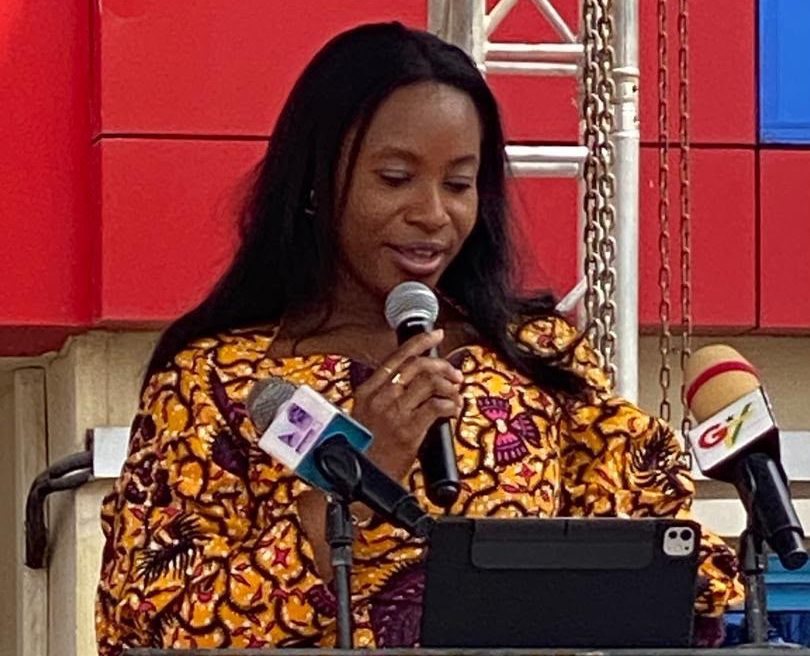
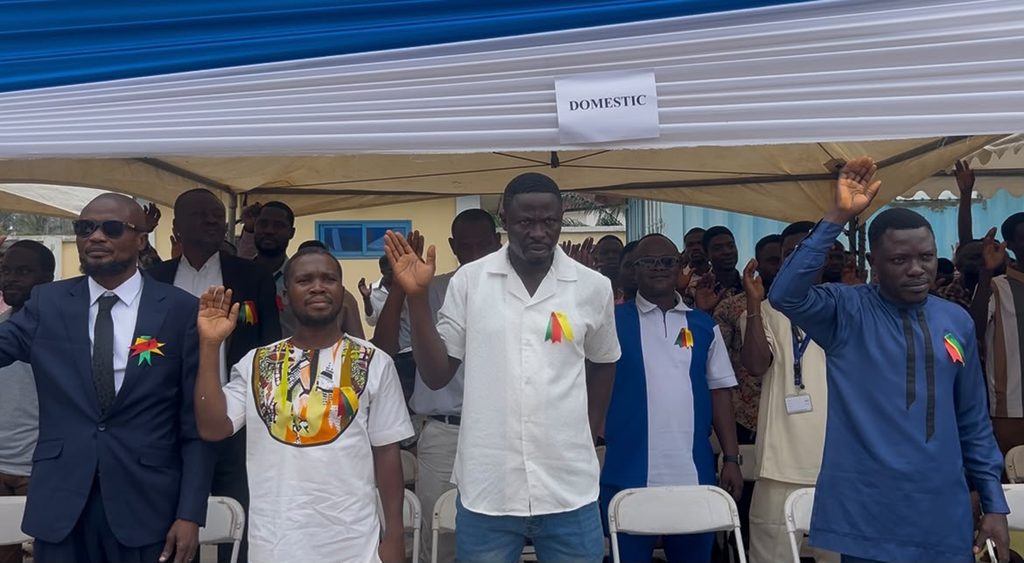
Speaking at the Commission’s 25th Electrical Wiring Certification and Awards Ceremony held under the theme “Setting the Standard, Powering Ghana’s Future: EV, Solar, and Beyond”, the Acting Executive Secretary of the Energy Commission, Adwoa Serwaa Bondzie, emphasized that rapid advancements across the energy sector require a forward-looking regulatory framework.
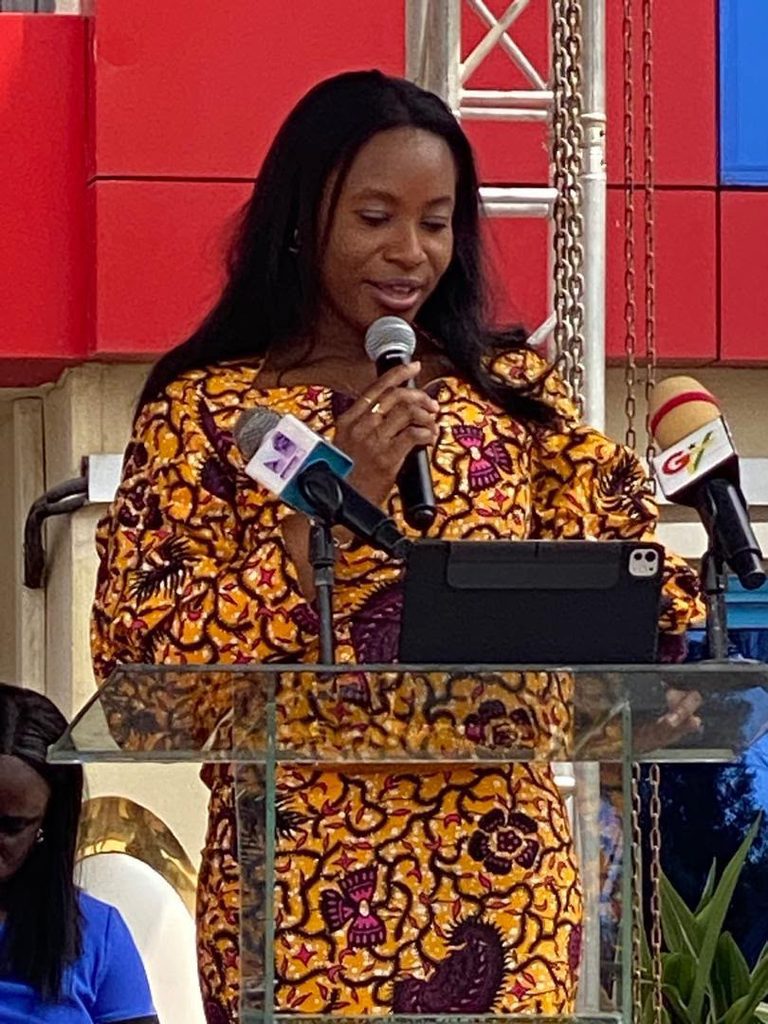
She explained that technologies such as solar photovoltaics, battery storage systems, electric vehicles (EVs), and digital energy platforms are rapidly reshaping how power is generated and distributed across the country.
According to Bondzie, the primary responsibility of the regulator is to manage this transition safely and deliberately while upholding high technical standards that protect consumers and fortify the national grid.
She noted that these initiatives align directly with national policy priorities, including the government’s RESET agenda aimed at strengthening institutional accountability, leveraging technology, and expanding skilled employment opportunities for young people.
Addressing the regulatory requirements for green transport, Bondzie disclosed that the Energy Commission Electric Vehicle Charging Station and Battery Swap Systems Regulations, 2026 have been laid before Parliament, with final approval anticipated in October. To support these legal measures, the Commission is working alongside the Ministry of Energy and Green Transition to deploy a national EV Charging Management Platform.
This digital platform will grant regulators real-time visibility over charging infrastructure, enabling remote monitoring of power consumption, outage tracking, and data collection to guide future utility planning. Regarding the certification results, she reported that 1,036 candidates took the May/June 2026 examination, yielding 884 successful graduates an 85% pass rate and bringing the total number of certified wiring professionals in Ghana to 19,442.
However, she raised concerns over gender participation, noting that only five women sat for this year’s exam compared to eight last year, and pledged to work with partner institutions to encourage more women to enter the clean technology trade.
Detailing the technical updates, Bondzie highlighted that the newly launched Electrical Wiring Code developed in partnership with the Ghana Standards Authority (GSA) replaces older guidelines to set clear standards for solar, battery, and EV charging installations. To ensure full adoption, the Commission is partnering with the Commission for Technical and Vocational Education and Training (CTVET) to align educational syllabi with the new code.
Furthermore, she pointed to the Commission’s recent digital integration with distribution utilities like ECG and NEDCo, which has generated over 27,500 digital verification codes since July 2026, allowing property owners to authenticate certified electricians electronically and eliminate illegal practice.
She urged the new graduates to uphold safety and professional integrity, reminding them that their work directly impacts public safety and property protection as Ghana prepares for the Energy Commission’s 30th anniversary in 2027.
Reinforcing the imperative for strict industry compliance, Energy Commission Board Member Professor Ernest Ofori Asamoah speaking on behalf of Board Chairman Professor John Gatsi, underscored the direct relationship between professional certification and national safety.
Citing data projecting over 6.5 million residential structures nationwide, Prof. Asamoah warned against the persistent danger of uncertified individuals attempting electrical work. He reminded the audience that legislative instruments like LI 2008 and LI 2478 were explicitly enacted to establish who can perform installations and what materials may be used, with the newly launched code answering how the work must be executed.
Highlighting Ghana’s long-term energy targets which anticipate a significant shift toward electric vehicles by 2035 and 2045, Prof. Asamoah stated that certified wiring professionals serve as an essential bridge between regulators, utilities, manufacturers, and property owners.
He concluded by advising the graduating class to treat occupational safety as an absolute priority, warning that even highly skilled technicians compromise their standing when they ignore basic safety protocols on job sites.
Eugenia Ewoenam Osei