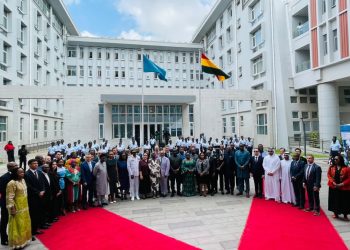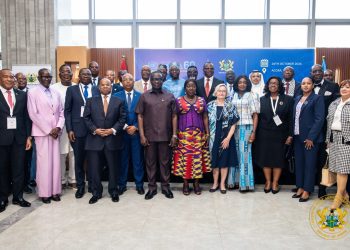
Ghana’s shift towards a gas-driven power generation system has helped reduce the country’s dependence on imported liquid fuels, generating annual savings of about $500 million, according to Energy and Green Transition Minister Dr John Abdulai Jinapor.
Speaking at the launch of the Petroleum Commission’s 15th anniversary celebrations on Tuesday, August 18, Dr Jinapor said increased availability of natural gas had significantly reduced the country’s reliance on crude oil and other liquid fuels for power generation.
The increase in gas availability, he noted, “has led to a saving of about $500 million a year in terms of crude oil gas substitution.”
He said increased domestic gas production, supported by collaboration with industry partners, had significantly reduced the country’s crude oil import requirements.
“When we assumed office, we were importing so much crude oil and other liquid fuels,” the Minister said.
Dr Jinapor explained that the government’s focus on expanding gas supply had strengthened Ghana’s energy security, adding that “working with ENI and these other partners and working with the Jubilee partners, we’ve significantly increased gas production.”
He said the development formed part of the government’s broader gas-to-power strategy, which seeks to maximise Ghana’s natural gas resources while supporting the transition towards cleaner energy sources.
“We will maximise our petroleum resources whilst promoting renewable energy to complement that,” he added.
The Minister also highlighted recent improvements in upstream oil production, noting that output had increased from about 90,000 barrels per day to 126,000 barrels per day following interventions to address challenges affecting operators.