The Ghana Maritime Authority (GMA) and the Fisheries Commission have intensified efforts to operationalise Ghana’s Inshore Exclusion Zone (IEZ), following the expansion of the protected fishing area from six to 12 nautical miles under the new Fisheries and Aquaculture Act, 2025 (Act 1146).
The initiative is aimed at protecting artisanal fishers, restoring declining fish stocks and promoting the sustainable management of Ghana’s marine resources.
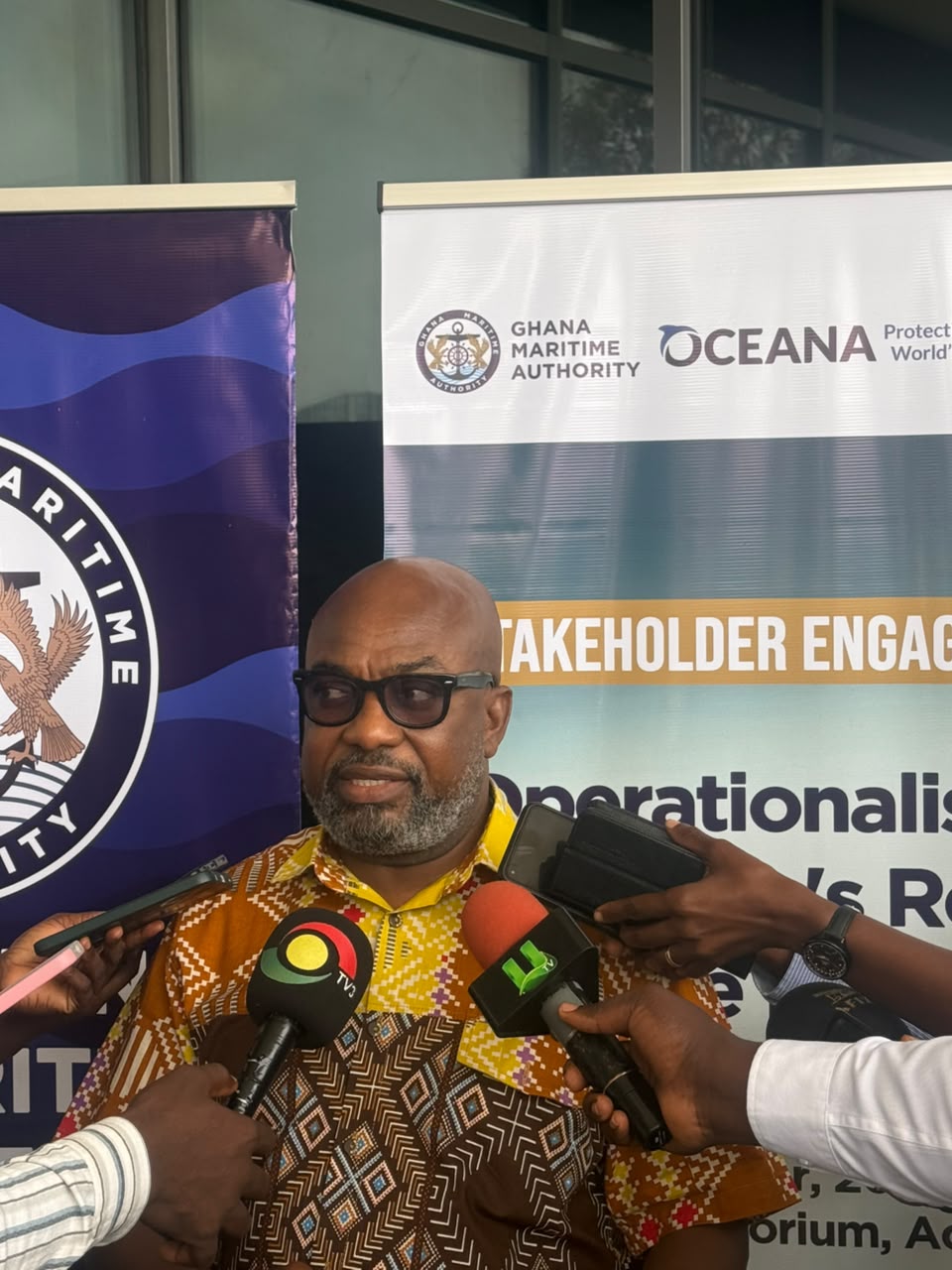
The development was highlighted at a stakeholder engagement on the Inshore Exclusion Zone, organised by the Ghana Maritime Authority in collaboration with Oceana Ghana.
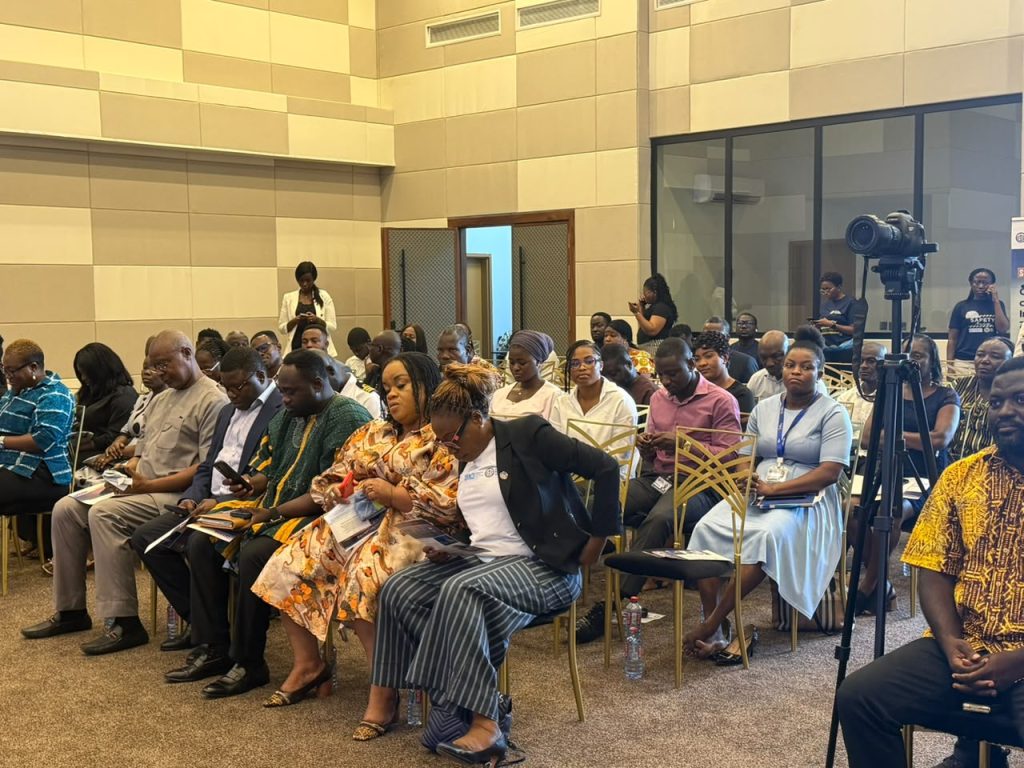
In a statement delivered on behalf of the Director-General of the Ghana Maritime Authority, the Director of Technical Services, Naval Captain Derrick Attachie, said the enactment of the Fisheries and Aquaculture Act, 2025, and the subsequent issuance of Gazette Notification Number 414 in December 2025, provided the legal foundation for the designation of the expanded exclusion zone.
He explained that the gazetted boundaries reserve the area within 12 nautical miles exclusively for artisanal fishing activities, with industrial fishing vessels required to operate beyond the designated zone.
According to him, the Ghana Maritime Authority has begun the technical process of updating Ghana’s maritime charts to reflect the new boundaries, following a formal request from the Fisheries Commission.
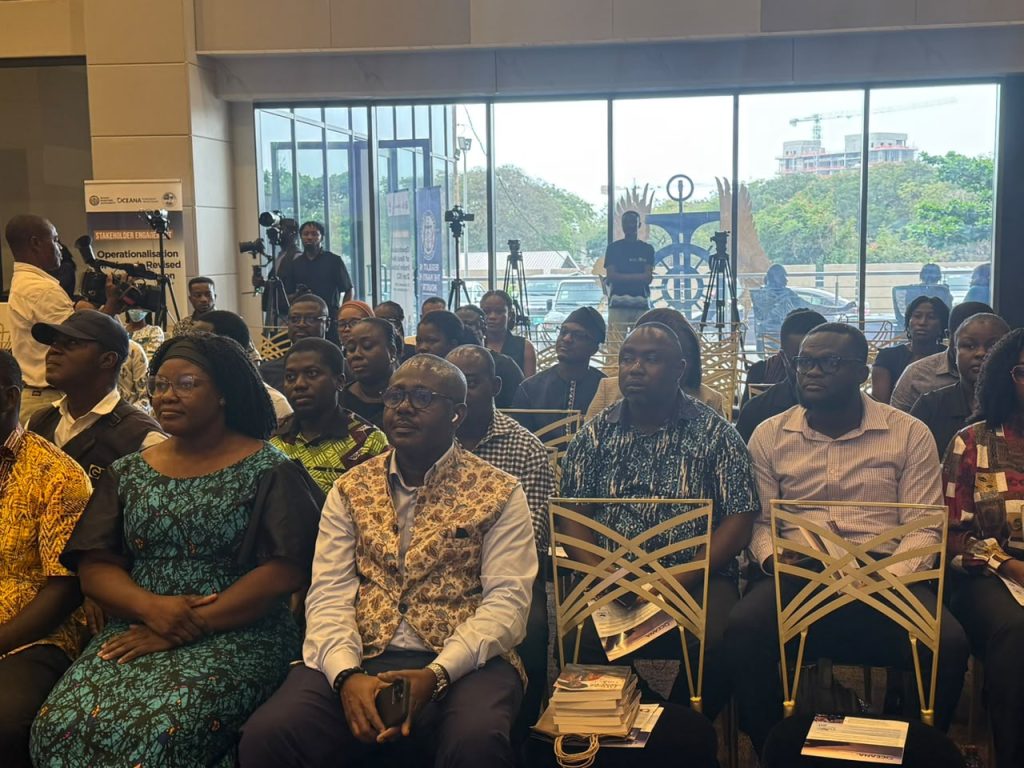
He said updating the charts was essential to ensure that the new boundaries are officially recognised by both local and international vessels navigating Ghana’s waters.
Naval Captain Attachie stressed that the legal designation of the zone was only the beginning, adding that effective implementation and enforcement would be critical to achieving its intended objectives.
He called for stronger collaboration among government institutions, fisheries organisations, civil society groups and fishing communities to ensure the successful implementation of the policy.
The Deputy Executive Director of the Fisheries Commission, Dr Eric Cobbinah, said the expansion of the exclusion zone was a significant intervention to address the continuous decline in Ghana’s fish stocks, particularly small pelagic species, which are largely found within the inshore fishing area.
He noted that for more than two decades, statistics had shown a worrying decline in the country’s fish resources, making the protection of breeding and nursery grounds increasingly important.
Dr Cobbinah explained that the extension from six to 12 nautical miles would give small pelagic fish species the opportunity to breed and grow without interference from industrial fishing activities.

He said the move would also provide greater protection for artisanal fishers, who depend heavily on the sector for their livelihoods and contribute approximately 80 per cent of Ghana’s fish supply.
He further indicated that more than 2.7 million Ghanaians depend on the artisanal fishing sector, making the protection of their fishing grounds critical to livelihoods, food security and the national economy.
Dr Cobbinah said the previous arrangement often exposed canoe fishers to conflicts with industrial vessels, including collisions and the destruction or entanglement of their fishing nets.
On enforcement, he said the new Fisheries and Aquaculture Act introduced tougher measures against industrial fishing vessels that violate the exclusion zone.
He explained that under the previous legal regime, industrial vessels found committing certain offences faced fines of about US$100,000, which he suggested were not sufficiently deterrent, considering the financial benefits operators could derive from illegal fishing activities.
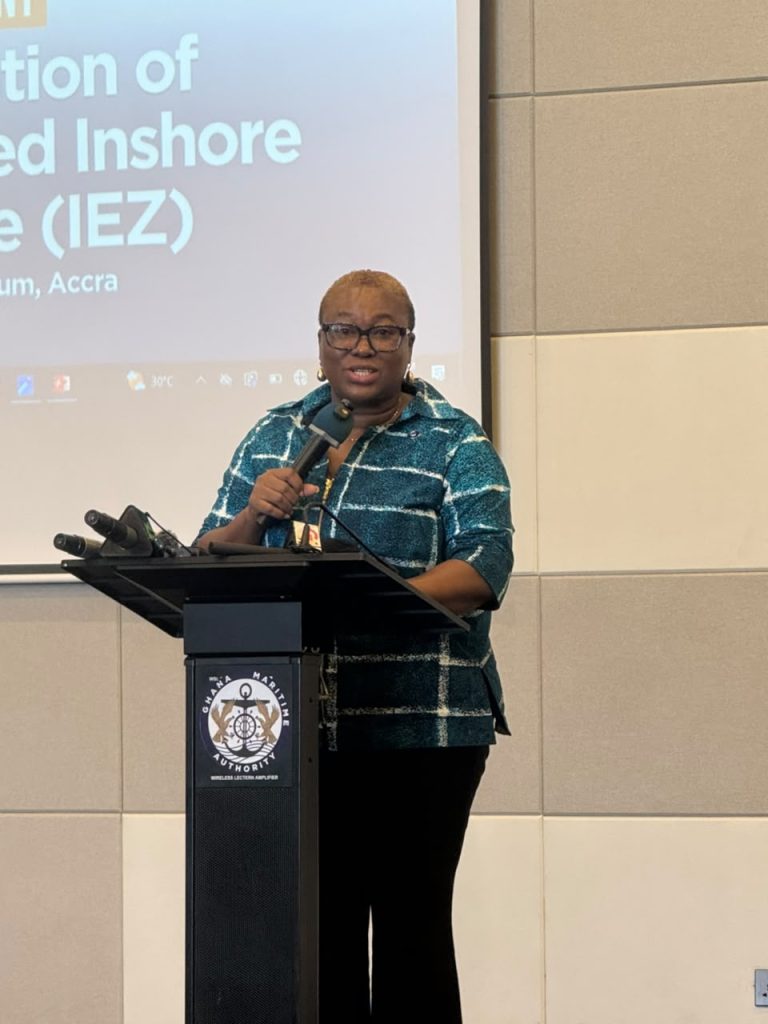
Under the new law, however, vessels found violating the regulations risk suspension of their licences, prosecution and other legal sanctions.
Dr Cobbinah disclosed that the Fisheries Commission suspended the licences of four Chinese fishing vessels in 2025 for regulatory violations, although no similar suspension had been recorded in 2026 at the time of the engagement.
He emphasised that the Commission’s primary responsibility was to sustainably manage the country’s fisheries resources rather than generate revenue through licensing.
The stakeholder engagement is expected to strengthen coordination among the relevant institutions and fishing communities as Ghana works towards the full implementation of the expanded Inshore Exclusion Zone.
The success of the initiative, stakeholders say, will ultimately depend on effective enforcement, compliance by industrial fishing operators and the protection of marine ecosystems to secure the future of Ghana’s fishing industry.
Story by Osman Issah Abadoo