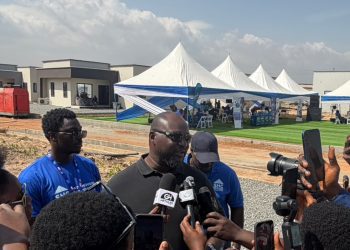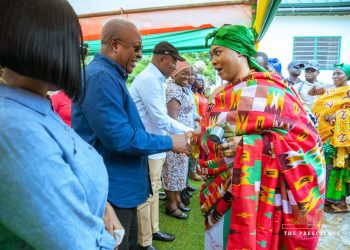
The Director-General of the Criminal Investigations Department (CID) of the Ghana Police Service, COP Lydia Yaako Donkor, has called for intensified regional cooperation to dismantle sophisticated cross-border human trafficking and migrant smuggling networks operating under what security agencies describe as the “Model Q” modus operandi.
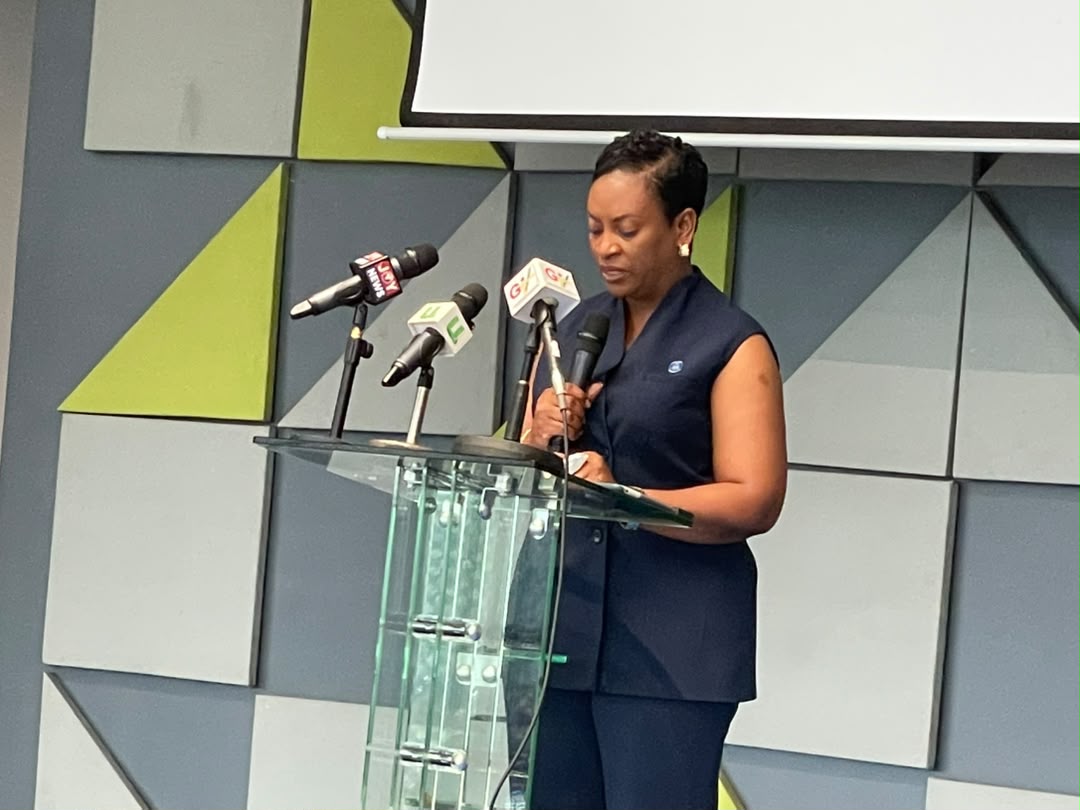
Addressing participants at the EOCO–INTERPOL Regional Workshop on Tackling Cross-Border Human Trafficking and Scams in Accra, COP Donkor warned that organised criminal groups are increasingly abandoning traditional trafficking methods in favour of digital deception to target vulnerable people across the region.
She explained that the “Model Q” approach relies on online platforms, social media, and fraudulent recruitment portals to lure victims with promises of legitimate jobs, scholarships, and multi-level marketing opportunities.
According to her, victims are persuaded to pay upfront processing fees through mobile money before being trafficked across porous borders, where they are stripped of their identities, isolated from communication, and subjected to intense psychological manipulation and coercion.
She noted that one of the most disturbing features of the model is that many victims are eventually forced to recruit others, creating a self-sustaining criminal cycle that blurs the distinction between victim and perpetrator.
COP Donkor said the three-day regional workshop would move beyond policy discussions to practical operational planning, with participants expected to share actionable intelligence, analyse illicit financial flows—including mobile money and hawala systems—and strengthen coordinated investigations aimed at dismantling transnational criminal networks.
She reiterated Ghana’s pledge to combating human trafficking through the Human Trafficking Act, 2005 (Act 694) and related legislation but stressed that national laws alone are insufficient without effective regional cooperation.
“Our domestic laws are only as strong as our regional operational synergy,” she stated, urging participants to develop concrete strategies for immediate intervention against cross-border trafficking syndicates.
She challenged delegates to use the workshop to operationalise ongoing investigations and formulate a coordinated regional action plan capable of disrupting criminal organisations that prey on vulnerable people and exploit financial systems across West Africa.
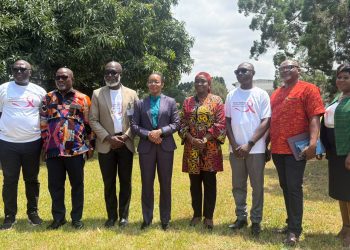
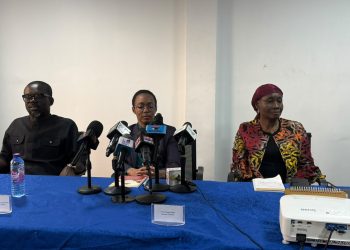
The workshop has brought together representatives from INTERPOL, EOCO, law enforcement agencies, prosecutors, and international partners from several West African countries to strengthen intelligence sharing and enhance regional cooperation against organised crime.