Ghana recorded one of the most significant economic turnarounds in its history in 2025, as decisive fiscal discipline, deepened structural reforms, and prudent monetary policy restored macroeconomic stability and placed public finances on a sustainable path.
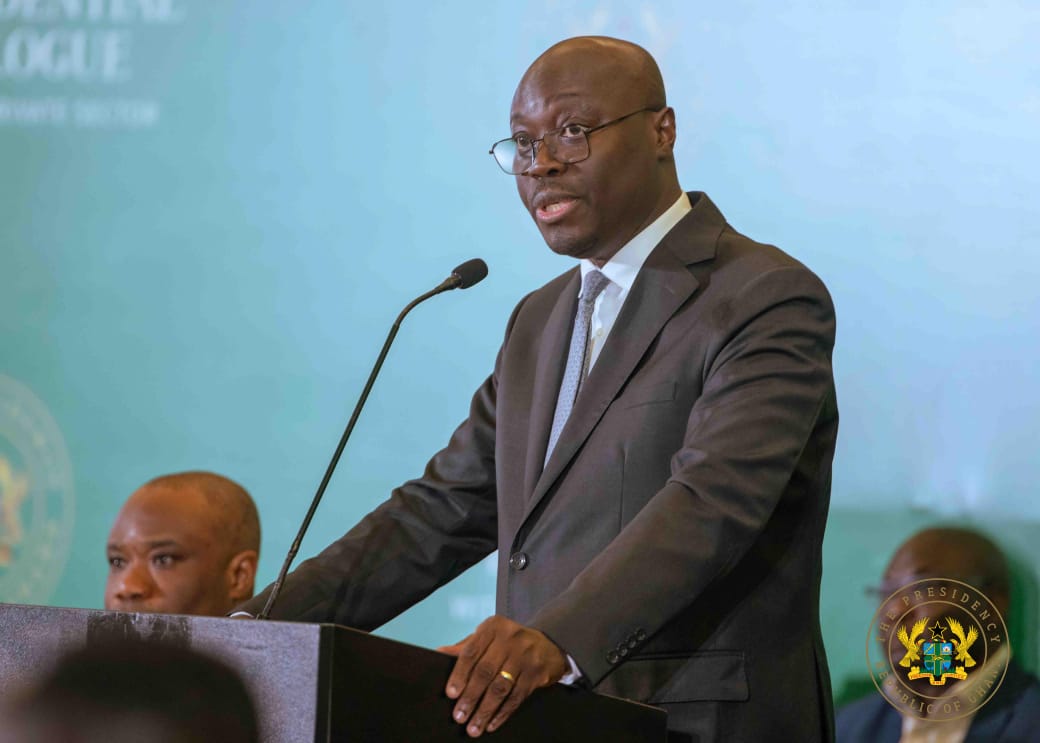
Presenting the government’s fiscal and macroeconomic performance, the Minister for Finance, Caissel Ato Baah Forson, said the administration had successfully reversed severe economic challenges inherited at the end of 2024.
“Through firm commitment controls, strengthened revenue mobilisation, disciplined spending, and close coordination with monetary authorities, we have restored stability and rebuilt confidence in the Ghanaian economy,” Dr. Forson stated.
Strong Fiscal Outturns in 2025
Reforms in revenue mobilisation and expenditure control anchored fiscal performance in 2025, delivering outcomes that exceeded targets:
The overall fiscal balance (commitment basis) posted a deficit of 1.0% of GDP, outperforming the target of 2.8%.
The primary balance (commitment basis) swung to a surplus of 2.6% of GDP, surpassing the target surplus of 1.5%.
On a cash basis, the overall fiscal deficit narrowed to 3.1% of GDP, better than the 3.8% target.
The primary balance (cash basis) improved to a 0.5% of GDP surplus, against a target 0.5% deficit.
These gains, combined with sound debt management, translated into a sharp reduction in public debt.
Public Debt Falls Sharply
Ghana’s public debt stock declined by GH¢82.1 billion, from GH¢726.7 billion (61.8% of GDP) in December 2024 to GH¢641.0 billion (45.3% of GDP) by December 2025 one of the steepest debt reductions in the country’s history.
Broad-Based Macroeconomic Recovery
Beyond fiscal consolidation, macroeconomic indicators rebounded strongly across the board:
Real GDP growth reached a provisional 6.1% year-on-year in the first three quarters of 2025, driven by services and agriculture.
Non-oil growth accelerated to 7.5%, up from 5.8% over the same period in 2024.
Inflation fell for thirteen consecutive months, plunging from 23.5% in January 2025 to 3.8% by January 2026.
The 91-day Treasury bill rate dropped from 27.7% at end-2024 to 6.5% in February 2026.
Commercial bank lending rates declined from 30.25% in 2024 to 20.45% in 2025.
Private sector credit expanded by GH¢17.1 billion in 2025.
The cedi appreciated by 40.7% against the US dollar, 30.9% against the pound sterling, and 24.0% against the euro by end-December 2025.
The current account recorded a US$9.1 billion surplus, up from US$1.5 billion in 2024.
Gross international reserves reached US$13.8 billion, covering 5.7 months of imports.
Sustaining the Gains
Summarising the progress, the Finance Minister noted that between 2024 and 2025 inflation fell from 23.8% to 5.4% and now stands at 3.8% while interest rates declined sharply and the cedi reversed prior depreciation.
He reaffirmed the administration’s resolve to consolidate these achievements under the leadership of John Dramani Mahama.
“President Mahama’s administration remains fully committed to sustaining these gains, creating jobs, and setting Ghana firmly on the path of strong growth and long-term economic transformation,” Dr. Forson said.
Story: Patrick Asford Boadu