The Government has launched a nationwide post-flood clean-up and recovery exercise, with the Ghana Armed Forces (GAF) taking the lead in efforts to restore affected communities following the devastating floods that struck parts of the Greater Accra, Volta and Central regions after heavy rains on June 28 and 29.
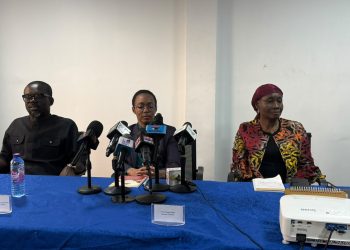
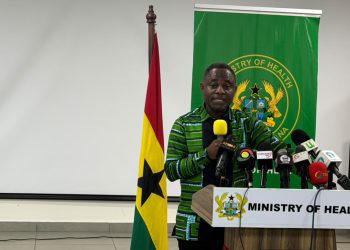
Addressing the media on Friday, Brigadier-General Foster Okae Yeboah, Director General of Joint Operations of the Ghana Armed Forces, said the comprehensive recovery programme was activated on the directive of President John Dramani Mahama after an aerial inspection of the flood-ravaged areas.
“The Government of Ghana wishes to inform the general public that, following the heavy rains of Sunday, 28 and Monday, 29 June 2026, which caused devastating floods in several communities within the Greater Accra Region and parts of the Volta and Central Regions, a comprehensive post-flood recovery and mitigation programme has been activated to restore normalcy, safeguard public health and strengthen national resilience against future flooding,” he said.
Brigadier-General Okae Yeboah disclosed that following the President’s assessment of the disaster, a National Post-Flood Mitigation Task Force had been activated to coordinate all relief, recovery and mitigation interventions.
He said specialised committees had been established to oversee key aspects of the operation, including post-flood mitigation, early warning, sanitation and health, relief and donations, and emergency communications.
The Director General announced that President Mahama had committed GHS350 million to support emergency relief, recovery and flood mitigation interventions.
“As an immediate demonstration of the Government’s commitment to the welfare of affected communities, His Excellency the President has committed GHS350 million to support emergency relief, recovery and flood-mitigation interventions,” he stated.
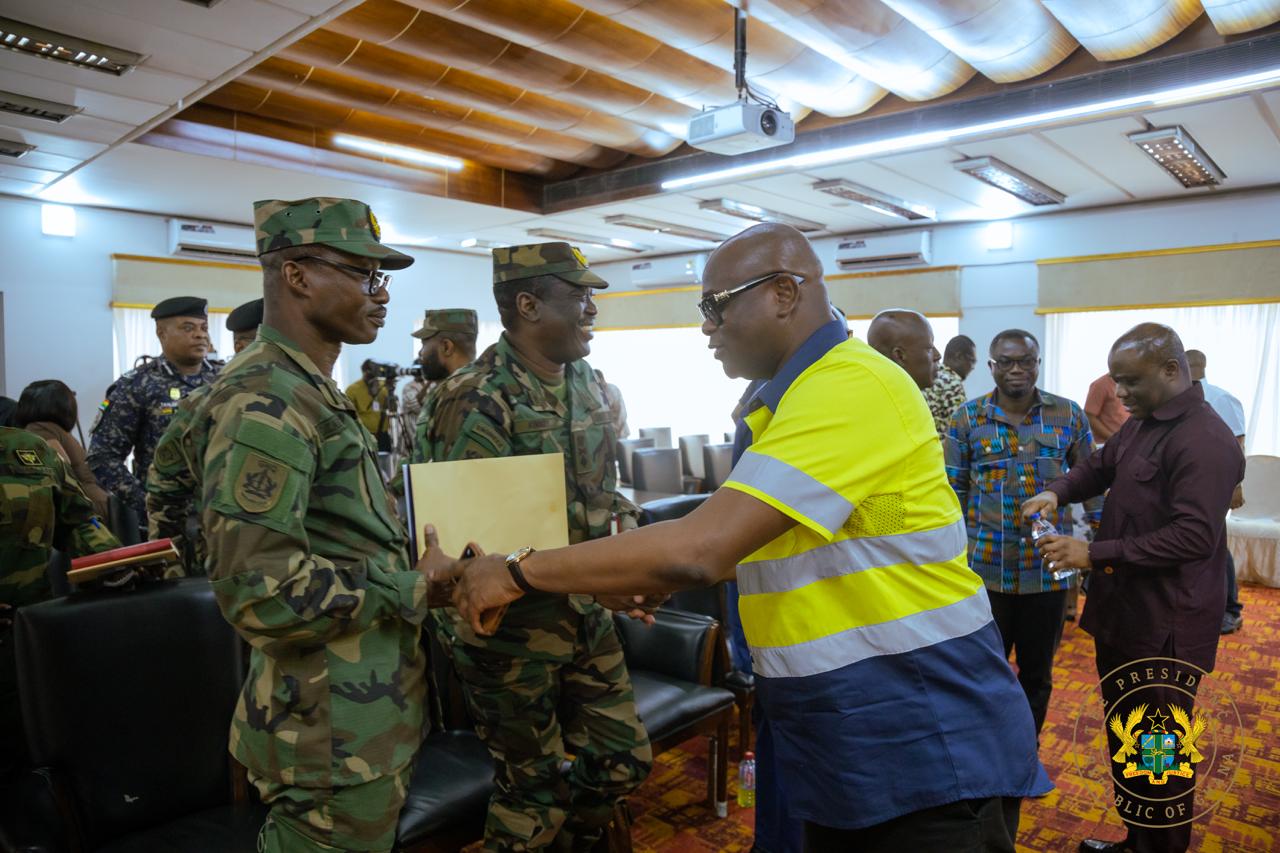
He explained that the Ghana Armed Forces would work alongside the National Disaster Management Organisation (NADMO), Metropolitan, Municipal and District Assemblies (MMDAs), the Ghana Police Service, Ghana National Fire Service, Ghana Health Service, the Environmental Protection Agency and other stakeholders to execute the nationwide operation.
According to him, the exercise would focus on restoring public safety, improving sanitation and preventing outbreaks of diseases such as cholera, typhoid and other waterborne infections.
“Particular attention will be given to the removal of refuse, silt, fallen trees, abandoned vehicles, collapsed structures and other debris obstructing roads, bridges, drains and waterways,” he noted.
The military, he added, would deploy engineers, personnel and specialised equipment to clear major drains, rivers and waterways.
He further warned that structures illegally erected within waterways or posing immediate danger to public safety could be removed in accordance with Ghana’s laws and directives from the appropriate civil authorities.
Brigadier-General Okae Yeboah also revealed that equipment under the District Road Improvement Programme (DRIP) was being mobilised to reinforce operations, while expressing appreciation to private sector organisations that had volunteered heavy machinery, logistics and technical expertise.
“The Government commends this demonstration of patriotism and corporate social responsibility, and encourages other organisations to support this important national endeavour,” he said.
Residents were advised to expect temporary traffic diversions in some areas while engineering and clean-up works continue and urged to cooperate fully with security personnel and local authorities.
The Government also appealed to the public to keep drains free of refuse, avoid indiscriminate dumping of waste, report blocked drains and damaged infrastructure, observe public health advisories and support officials carrying out the exercise.
Brigadier-General Okae Yeboah emphasised that the clean-up formed part of a broader national flood resilience strategy aimed at improving drainage infrastructure, strengthening early warning systems, enforcing planning and environmental regulations and enhancing emergency preparedness across the country.
He assured the President, through the Chief of Staff, that the task force would execute its mandate diligently.
“On behalf of the various subcommittees that have started rigorous work, I want to assure His Excellency the President, through the Chief of Staff, who is leading the mitigation efforts, that we shall not leave any stone unturned,” he said.
He added that the Emergency Communications Committee would provide regular public briefings to keep citizens informed throughout the nationwide operation.
Story: Patrick Asford Boadu