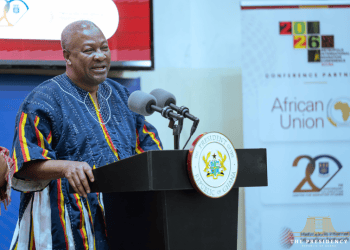
President John Dramani Mahama has called on African countries to take a leading role in shaping global migration policies, insisting that the continent must not be reduced to serving as the external frontier of other regions’ migration control strategies.
He said Africa must move beyond being a source of migration data, case studies and policy challenges to becoming an active contributor to the formulation of international migration policies.
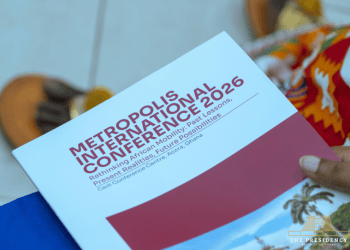
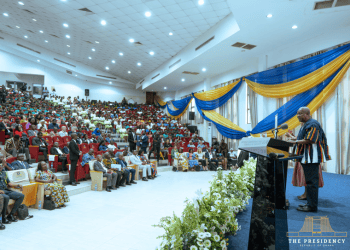
President Mahama made the call at the opening of the 2026 Metropolis International Migration Conference in Accra, where he challenged African governments and international partners to pursue migration partnerships based on dignity, reciprocity and shared responsibility.
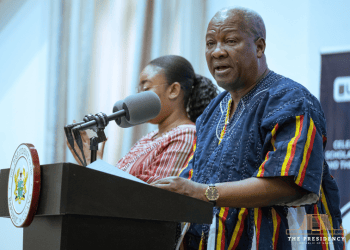
“When the world discusses Africa, Africa must have a voice in shaping that conversation. The world often looks to Africa for migration data, case studies, and examples of policy challenges. We also produce knowledge and shape policy, and we must write our own mobility agenda,” he stated.
The President observed that the hosting of the conference on African soil for the first time in its 30-year history presented an opportunity for the continent to influence the global discourse on migration and assert its position in international policy discussions.
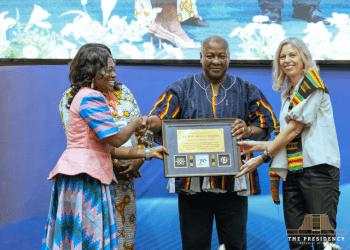
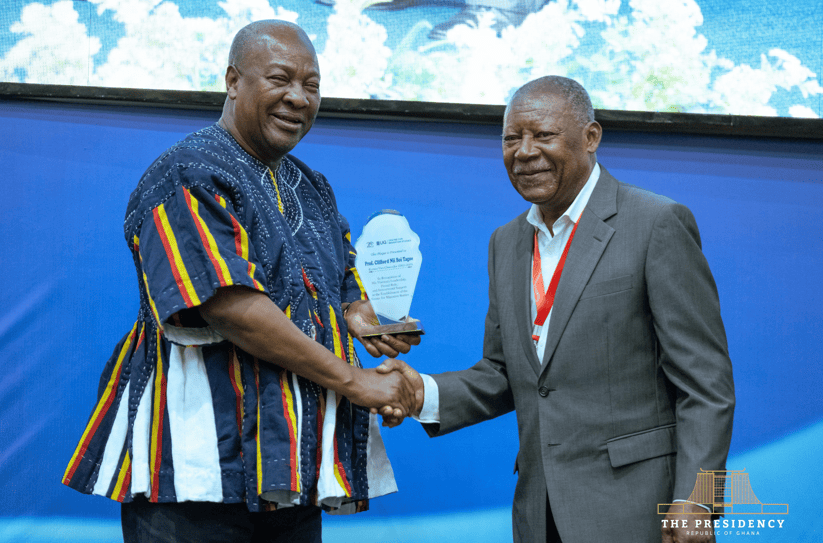
He commended the Metropolis International Migration Network, the African Union Commission and the University of Ghana Centre for Migration Studies for bringing the international gathering to Ghana.
According to him, migration has historically been part of Africa’s development, long before the establishment of modern national borders.
He recalled that Africans traded, travelled, studied, intermarried and established communities across vast territories, with historic trade routes connecting West Africa to North Africa and the wider world.
“Mobility did not arrive in Africa as a crisis. It has always been part of Africa’s story. Africans will continue to move as they have done for generations,” he said.
President Mahama argued that the central challenge facing African countries was not whether people should move, but whether institutions, laws and international partnerships could guarantee safe, legal and dignified migration.
He maintained that Africa’s cooperation with international partners on border management, human trafficking, smuggling, return and reintegration must not be driven solely by efforts to prevent Africans from migrating.
“Africa will continue to cooperate on border management, combating trafficking and smuggling, and on return and reintegration. That cooperation must serve a wider purpose than merely preventing Africans from moving,” he emphasised.
“Africa must have a say in shaping that purpose and cannot be used as the external frontier of another region’s migration policy,” he added.
The President further called for a shift towards international migration partnerships that expand regular migration opportunities, facilitate employment and education, and support skills development, investment and economic growth.
He stressed that African countries and their international partners must engage as equals, recognising that both sides have legitimate interests and shared responsibilities in managing migration.
President Mahama also linked the need for greater mobility to Africa’s economic integration ambitions, particularly the implementation of the African Continental Free Trade Area (AfCFTA).
He said the continent’s ambition to establish a single African market could not be fully realised if goods were allowed to move more freely than the people responsible for producing and trading them.
“The continental market cannot fulfil its promise if goods are able to move more easily than the people who produce them,” he noted.
He therefore called for improved movement opportunities for African traders, professionals, transporters, entrepreneurs and young people to strengthen intra-African trade and economic cooperation.
President Mahama also urged African countries to address the challenge of brain drain by creating opportunities for skilled professionals to contribute to development across the continent and within the diaspora.
He said migration policies must promote brain circulation rather than allow African countries to continually lose critical skills without adequate opportunities for knowledge transfer and reinvestment.
As Ghana prepares to assume the chairmanship of the African Union in 2027, President Mahama said mobility and continental integration would remain central to Africa’s development discussions.
He cited Ghana’s introduction of an electronic visa platform and the waiver of visa fees for holders of African passports on Africa Day this year as practical steps towards advancing African integration.
“An Africanism must guide the decisions we make as well as the words that we speak,” he stated.
The President urged scholars, researchers and young leaders attending the conference to produce rigorous research that reflects African realities and provides practical evidence to guide policymaking.
He called for an Africa where people could travel, trade, work, study and invest across borders with greater freedom and dignity.
“Let us build partnerships with the rest of the world that govern African mobility, fairly expand opportunity, and recognise our shared responsibility,” he said.
He added that Africa was ready to take an active role in global migration discussions and help lead the conversation.
The 2026 Metropolis International Migration Conference has brought together policymakers, scholars and migration practitioners to examine migration, integration and belonging, marking the first time the international conference is being hosted on African soil.
Story: Patrick Asford Boadu