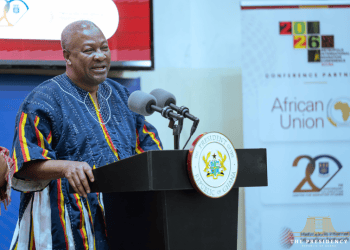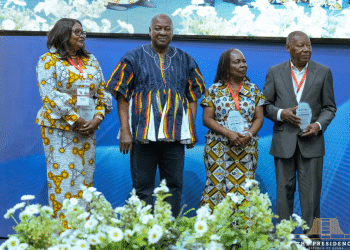
President John Dramani Mahama has condemned the recent attacks on foreign nationals in South Africa, insisting that migration challenges must be addressed through lawful and institutional measures rather than vigilantism and violence.
He said although South Africa has a legitimate right to address its migration challenges, the use of violence against people suspected of being illegal immigrants was unacceptable and undermined the principles of human dignity and peaceful coexistence.
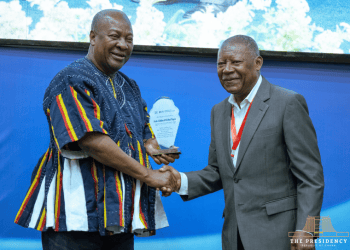
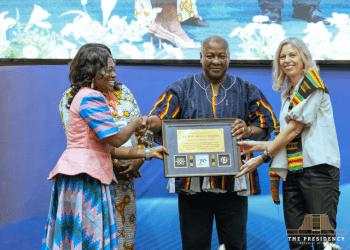
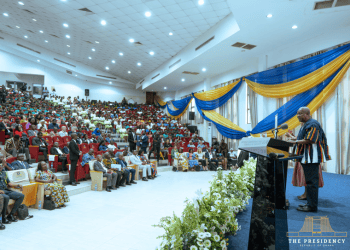
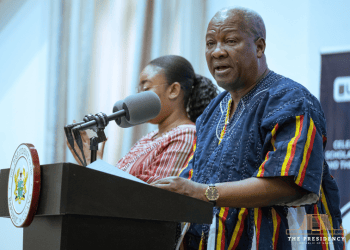
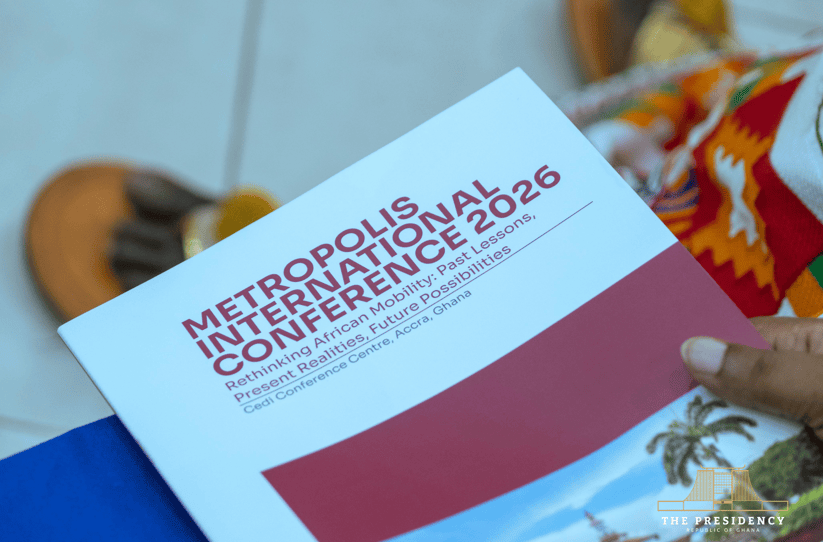
Speaking at the opening of the 2026 Metropolis International Migration Conference in Accra, President Mahama stressed that migration challenges could not be resolved through mob attacks, intimidation and the brutalisation of foreigners.
“South Africa has a legitimate right to address its migration crisis, but the challenges of migration will not be solved by vigilantism,” he stated.
“They will not be resolved by marauding crowds, searching for and brutalising people believed to be illegal immigrants,” he added.
The President’s comments come amid renewed concerns over xenophobic attacks against foreign nationals in South Africa, bringing into focus the need for African countries to strengthen cooperation in managing migration and protecting the rights of migrants.
President Mahama acknowledged that Ghana also faces migration-related challenges, particularly the influx of refugees from the Sahel region following the spread of violent extremism across parts of West Africa.
According to him, the situation has placed pressure on communities and social services, with some refugees, particularly those without employable skills, resorting to begging on the streets with their children, many of whom are out of school.
He, however, maintained that such challenges must be addressed through effective migration governance and policies that balance national security with the protection of human rights.
“Every life lost along a migration route is one too many,” he said, calling for concerted efforts to confront irregular migration, human trafficking, exploitation and the desperation that drives people to undertake dangerous journeys.
President Mahama argued that migration should not automatically be viewed as a crisis, explaining that mobility has historically been part of Africa’s social, cultural and economic development.
He noted that Africans had travelled, traded, studied, intermarried and built communities across the continent long before the borders that exist today were established.
The President therefore called for migration policies that allow people to move safely, legally and with dignity while enabling host countries to address legitimate security and economic concerns.
He further advocated stronger international partnerships grounded in dignity, reciprocity and shared responsibility, insisting that Africa must have a voice in determining how migration is managed.
“Africa will continue to cooperate on border management, combating trafficking and smuggling, and on return and reintegration. That cooperation must serve a wider purpose than merely preventing Africans from moving,” he said.
He added that Africa must not become “the external frontier of another region’s migration policy,” urging international partners to expand regular migration pathways and create opportunities for Africans to work and study abroad.
President Mahama also emphasised the importance of linking free movement to economic integration, particularly the implementation of the African Continental Free Trade Area (AfCFTA), whose Secretariat is hosted in Ghana.
He maintained that the continent’s economic integration agenda would remain incomplete if goods could move freely across African borders while the people who produce and trade those goods continued to face restrictions.
The President called on African governments to build an integrated continent where citizens can travel, trade, work and pursue opportunities across borders without unnecessary barriers.
The 2026 Metropolis International Migration Conference brings together policymakers, academics, researchers and migration practitioners to deliberate on migration, integration and belonging.
President Mahama described the conference as historic, noting that it was the first time in the 30-year history of the Metropolis International Conference that the global gathering was being hosted on African soil.
He said the development provided an important opportunity for Africa to shape global migration discussions and ensure that the continent’s perspectives and realities were adequately reflected in international policy decisions.
He subsequently declared the conference officially open, urging participants to develop evidence-based recommendations that would help governments formulate effective and humane migration policies.
Story: Patrick Asford Boadu