President John Dramani Mahama has highlighted Ghana’s decision to waive visa fees for holders of African passports as a practical demonstration of the country’s commitment to promoting free movement and continental integration.
He said African unity must go beyond political declarations and be reflected in policies that make it easier for citizens to travel, trade, work, study and invest across the continent.
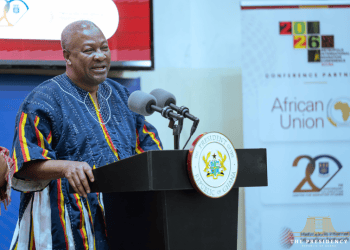
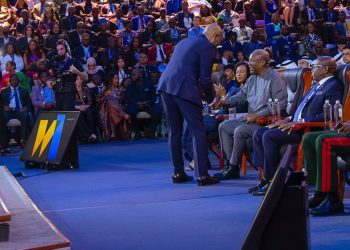
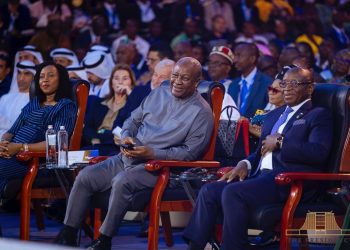
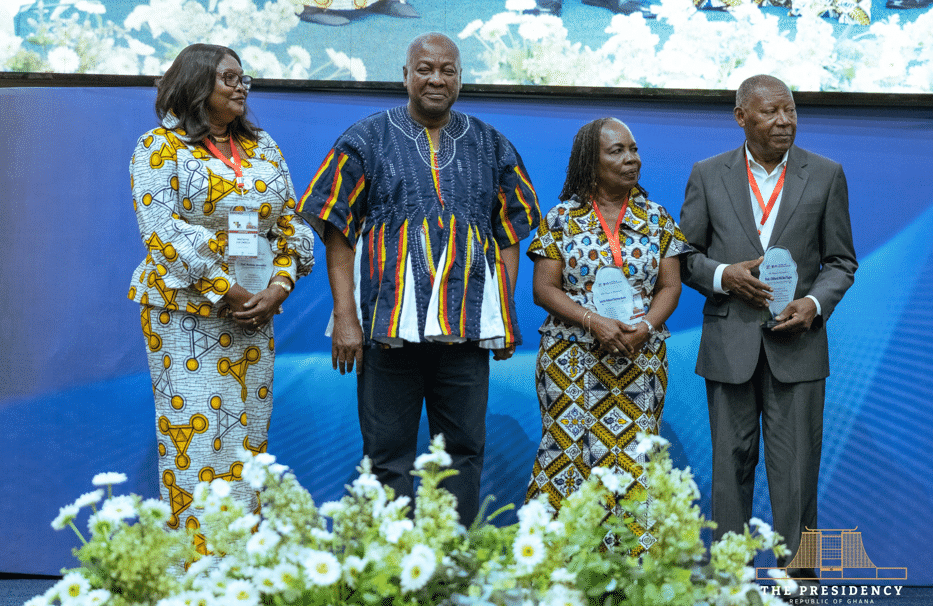
President Mahama made the remarks at the opening of the 2026 Metropolis International Migration Conference in Accra, where he outlined Ghana’s efforts to advance migration governance and strengthen cooperation among African countries.
He disclosed that Ghana had launched its electronic visa platform on Africa Day this year and waived visa fees for all holders of African passports as part of measures to facilitate movement across the continent.
“On Africa Day this year, Ghana launched its electronic visa platform and waived visa fees for all holders of African passports,” he stated.
The President explained that the initiative was informed by Ghana’s commitment to ensuring that the principles of African unity and integration translated into tangible benefits for citizens.
“And we did so because an Africanism must guide the decisions we make as well as the words that we speak,” he added.
He stressed that African citizens must experience the benefits of continental integration in their everyday interactions with national institutions, particularly at immigration and border control points.
“ Africans should experience in practice what that commitment means when they arrive at our borders,” he said.
President Mahama argued that the movement of people was essential to strengthening economic cooperation, promoting innovation and creating opportunities across Africa.
He maintained that the continent’s ambition to establish a single economic market through the African Continental Free Trade Area (AfCFTA) could not be fully realised without greater freedom of movement for people.
“The continental market cannot fulfil its promise if goods are able to move more easily than the people who produce them,” he observed.
Ghana, which hosts the Secretariat of the AfCFTA, he said, remained committed to promoting policies that would enable traders, professionals, transporters, entrepreneurs and young people to move more easily across African borders.
The President also called on African governments to strengthen the implementation of the African Union Free Movement Protocol, regional economic community frameworks and Agenda 2063.
He acknowledged that a significant gap remained between commitments made by African leaders on regional integration and the actual experiences of citizens at border posts.
He therefore urged governments to strengthen border governance systems that simultaneously protect national security and facilitate legitimate travel.
President Mahama further called for international migration partnerships based on dignity, reciprocity and shared responsibility, insisting that Africa must have a meaningful voice in shaping global migration policies.
He said migration should be recognised as an important contributor to development and not treated solely as a security challenge.
The President also linked Ghana’s commitment to free movement to the country’s preparations to assume the chairmanship of the African Union in 2027.
“As Ghana prepares to assume the chairmanship of the African Union in 2027, we must keep mobility and integration at the heart of the continental conversation,” he declared.
He said Africa must work towards a future where citizens could travel, trade, work, study and invest across borders with greater freedom and dignity.
President Mahama made the remarks at the 2026 Metropolis International Migration Conference, which is being held in Ghana for the first time in the 30-year history of the international gathering.
The conference has brought together policymakers, scholars, researchers and migration practitioners to deliberate on migration, integration and belonging, as well as the opportunities and challenges associated with human mobility.
Story: Patrick Asford Boadu