The parliamentary Majority Caucus has defended recent policy actions and financial outcomes of the Bank of Ghana, stressing that the central bank’s core mandate is to ensure economic stability rather than generate profits.
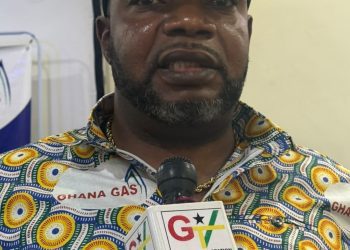
Speaking at a media briefing on Tuesday, Chairman of the Economy and Development Committee, Eric Afful, said the Bank’s balance sheet reflects the cost of shielding the economy from a combination of global and domestic shocks.
He warned against comparing the central bank to commercial institutions, noting that its role is fundamentally different. “The Bank’s balance sheet reflects the cost of stabilizing the economy during a period of severe economic distress,” Afful explained, describing recent policy measures as necessary interventions to restore economic stability.
To put the situation into perspective, Afful pointed to similar developments in advanced economies, citing institutions such as the Federal Reserve System, the European Central Bank, and the Reserve Bank of Australia, all of which have recorded losses after tightening monetary policy to control inflation.
According to the Majority Caucus, these measures are already producing results. They highlighted improving macroeconomic indicators, including declining inflation toward single-digit levels, a strengthening local currency, and increased Gross International Reserves.
Afful added that expected reductions in interest rates would enhance access to credit for businesses, supporting private sector growth and broader economic recovery. He urged the public and media to focus on long-term outcomes rather than short-term financial figures.
“The effectiveness of economic policy should be measured by its outcomes rather than short-term financial losses,” he said, expressing confidence that current strategies are steering the country toward sustained economic stability and renewed investor confidence.
Story By: Eugenia Ewoenam Osei