The investigation into the fire outbreak at the Akosombo Substation has shifted attention from fears of sabotage to a more pressing national concern—the deteriorating state of Ghana’s electricity infrastructure.
A committee tasked with probing the April 23 incident has concluded that the fire was caused by insulation failure in ageing electrical cables, some dating back more than six decades, highlighting what energy experts describe as the growing risks posed by outdated infrastructure within the national power system.
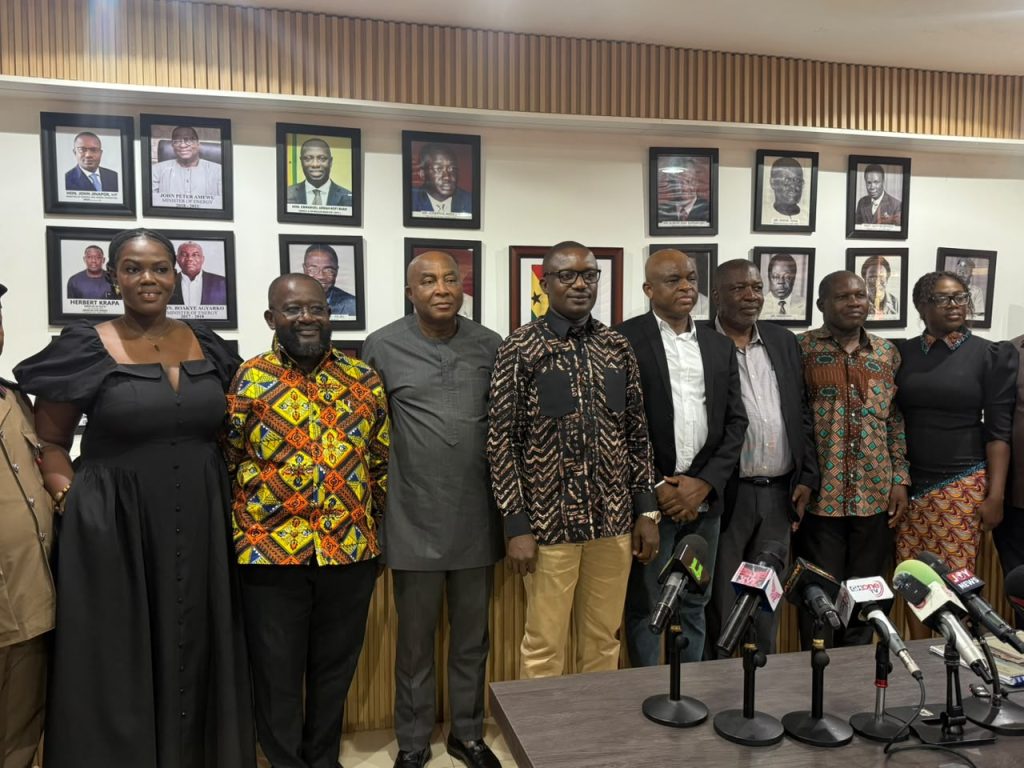
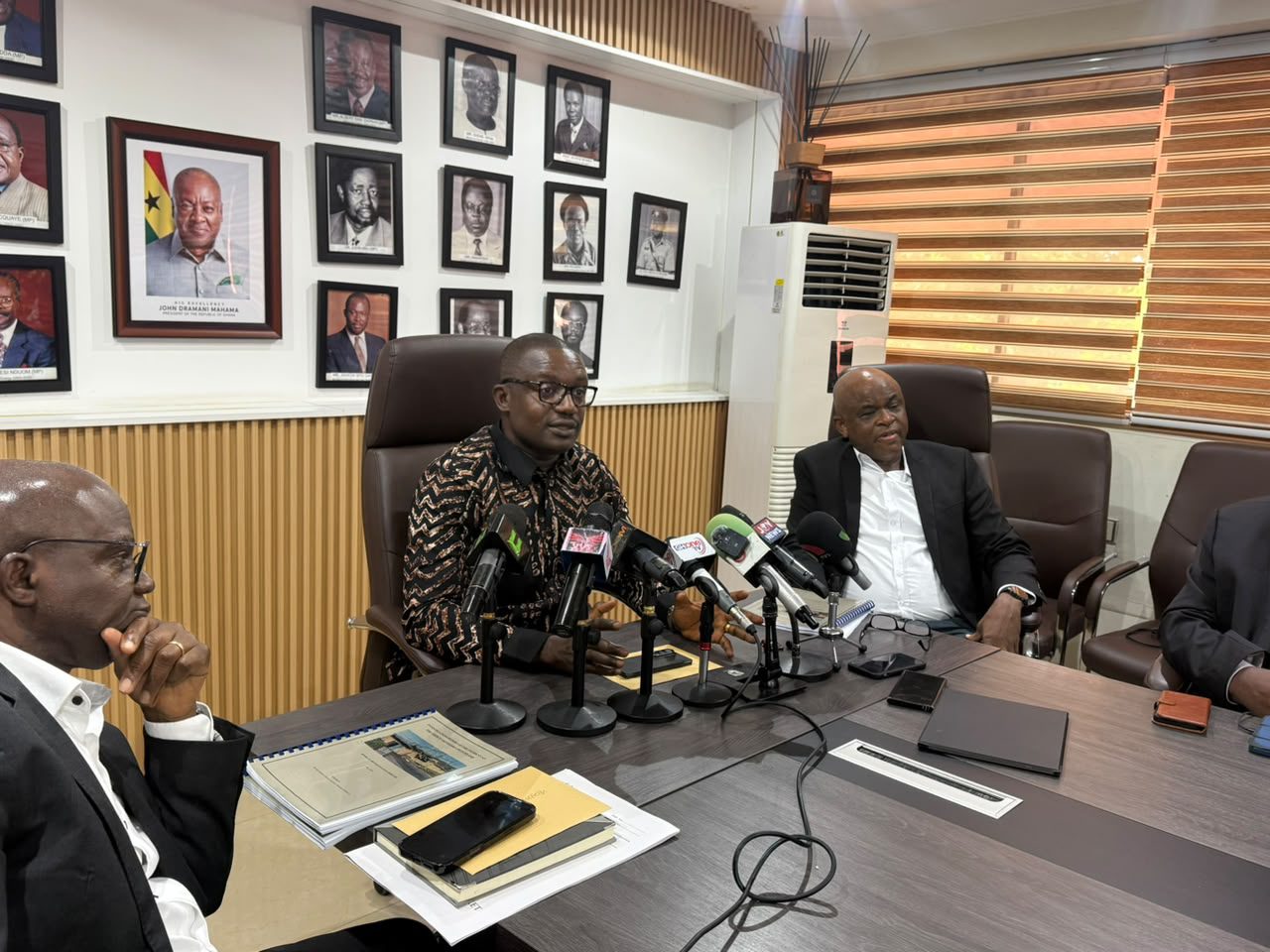
Presenting the committee’s report to the Minister for Energy and Green Transition, John Abdulai Jinapor, Chairman of the committee, Engineer William Amuna, said the fire originated in the low-voltage control section of the substation after insulation on ageing cables failed.
The findings dismiss earlier speculation of sabotage, pointing instead to technical deterioration resulting from years of service.
“The fire started from insulation failure in the cables within the low-voltage panel and not from any deliberate human action,” Engineer Amuna explained.
The report reveals that although the initial electrical fault triggered an automatic shutdown of one power source, a backup transformer continued feeding electricity into the faulted section, generating intense heat that eventually ignited the cable insulation and spread rapidly through the control building.
The incident disrupted power transmission and electricity supply to several parts of the country, raising concerns about the resilience of Ghana’s power infrastructure.
The committee’s findings have renewed calls for increased investment in modernising the national grid, particularly critical facilities that have remained in operation for decades.
Among its recommendations are the immediate transfer of protection and control functions to temporary facilities and the construction of a new state-of-the-art control building to replace the ageing structure at Akosombo.
Receiving the report, Mr Jinapor described the findings as a “wake-up call” for the country’s energy sector and pledged full implementation of the committee’s recommendations.
“This should be a wake-up call for us so that we can strengthen the system, improve our maintenance culture, enhance emergency response mechanisms and invest in the grid to build a more resilient energy sector,” the Minister stated.
He said government would thoroughly review the report and ensure that corrective actions are implemented to prevent similar incidents in the future.
The minister also stressed that while engineers deserved commendation for restoring power after the outage, accountability would not be overlooked should any negligence be established.
Energy sector analysts say the Akosombo incident underscores broader challenges facing Ghana’s electricity network, where several key installations have exceeded their intended operational lifespan.
The committee estimates that a new permanent control facility could be completed within 18 to 24 months, a move expected to significantly improve safety, reliability and operational efficiency at one of the country’s most critical power transmission hubs.
With electricity demand continuing to grow, the Akosombo fire has become more than an isolated technical failure—it has reignited debate over infrastructure renewal and the long-term investments needed to secure Ghana’s energy future.
Story by Osman Issah Abadoo