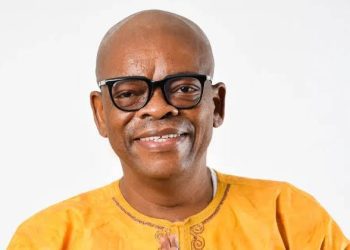
The controversy surrounding the future of the Office of the Special Prosecutor (OSP) intensified today after the First Deputy Minority Whip, Habib Iddrisu, publicly denounced President Mahama for attempting to influence parliamentary procedure. Habib criticized the President for instructing two members of Parliament to withdraw a draft bill intended to repeal the Act establishing the OSP.
The bill, initiated by Majority Leader Mahama Ayariga and Majority Chief Whip Rockson-Nelson Dafeamekpor, seeks to abolish the OSP on the grounds that the office has failed to serve its intended purpose and unnecessarily duplicates the functions of the Attorney General.
Speaking on the floor of the House just hours after the statement from the Presidency was made public, Habib Iddrisu condemned the President’s intervention. The Deputy Whip described the action as a clear instance of executive influence over the legislature, stressing that the Executive Branch should not interfere with the independent legislative duties of Parliament.
The incident highlights a growing tension between the Executive and Legislative arms over the authority and effectiveness of the Special Prosecutor’s office, and raises constitutional questions about the separation of powers and the right of individual MPs to initiate private member’s bills
Background On The Push to Abolish the Special Prosecutor’s Office
The controversy surrounding the Office of the Special Prosecutor (OSP) is rooted in a significant, ongoing national debate about the effectiveness and mandate of Ghana’s key anti-corruption institution.
Established by an Act of Parliament in 2018, the OSP was initially hailed as a critical, independent body designed to handle high-profile cases of grand corruption involving public officials, aiming to bypass the political obstacles often faced by the Attorney General (AG) and the Economic and Organised Crime Office (EOCO).
However, the recent move by Majority Leader Mahama Ayariga and Majority Chief Whip Rockson-Nelson Dafeamekpor to abolish the OSP reflects a growing national dissatisfaction over its performance. The two MPs base their argument on two primary criticisms.
First, they point to a perceived lack of effectiveness, arguing that despite the OSP receiving significant budgetary allocations, some reports estimate over ₵1.1 billion since its inception, it has failed to deliver commensurate value, particularly in securing successful convictions in high-profile cases.
Second, they cite duplication of functions, contending that the OSP’s duties overlap substantially with existing anti-corruption agencies. They suggest that a more efficient strategy for fighting corruption would be to simply strengthen the capacity and resources of the Attorney General’s Department, rather than sustaining an entire new office. This push has gained traction following recent controversies over the OSP’s operational procedures.
President Mahama’s reported instruction to the two Majority MPs to withdraw their draft bill elevates this legislative discussion into a serious constitutional conflict concerning the separation of powers.
The Executive’s direction is seen by the opposition as an improper attempt to interfere with the legislative process and suppress an MP’s right to initiate a Private Member’s Bill on a matter of national importance.
Story By: Eugenia Ewoenam Osei