In a legislative move, Parliament has given its stamp of approval to the Ghana Medical Trust Fund Bill, 2025, popularly known as the MahamaCares Fund. The contentious bill successfully navigated parliamentary debate and resolution on Tuesday, July 22, 2025, paving the way for a dedicated financial mechanism to support Ghanaians afflicted by chronic non-communicable diseases (NCDs) such as cancer, diabetes, kidney failure, and stroke.
The Health Minister, Kwabena Mintah Akandoh, addressed the press following the House’s approval, hailing the Fund’s impending operationalization as a “critical relief” for citizens battling NCDs. He underscored the importance of sustained contributions from both the public and corporate institutions to ensure the Fund’s long-term viability.
Initially presented to Parliament by the Health Minister, the Bill’s core objective is to mobilize resources for specialized medical care for chronic disease patients. It also provides for the comprehensive management of the Fund and related matters.
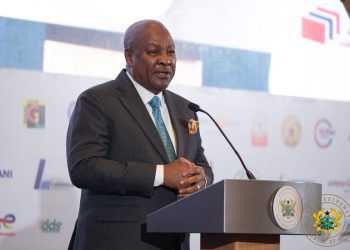
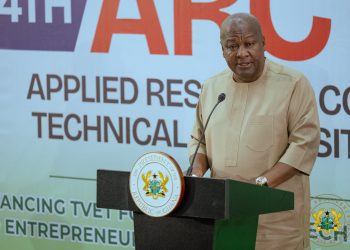
The MahamaCares Fund, officially launched by President John Dramani Mahama on April 29, 2025, at the University of Ghana Medical Centre, aims to bridge critical gaps in healthcare by covering treatment costs not currently encompassed by the National Health Insurance Scheme (NHIS).
Its primary funding sources are earmarked to include the uncapped National Health Insurance Levy, government budgetary allocations, and voluntary corporate contributions.
QUORUM CONCERNS AND MINORITY RESERVATIONS
The Bill’s approval came after intense deliberations, which saw its Second Reading deferred on Monday, July 21, 2025. This deferral was prompted by a lack of quorum, a concern raised by the Minority’s Deputy Chief Whip, Habib Iddrisu, who cited Article 124 of the 1992 Constitution.
The Minority caucus, led by Alexander Kwamina Afenyo-Markin, voiced apprehensions regarding the expedited legislative process and the potential for insufficient scrutiny of the Bill. Despite these reservations, the Minority affirmed its support for the Bill’s overarching objective of tackling the escalating prevalence of NCDs in the country.
However, the debate saw significant concerns raised by the Ranking Member on the Health Committee, Dr. Nana Ayew Afriye, who critically questioned the Fund’s long-term acceptability and sustainability during the deliberation on the Health Committee’s report.
Dr. Afriye issued a stark warning that the proposed allocation of 20% of the National Health Insurance Fund (NHIF) to the new Trust could significantly undermine the National Health Insurance Authority (NHIA) and its operational efficacy, potentially leading to a duplication of existing services.
“It appears it’s going to compete with the NHIA. It appears it’s going to weaken the NHIA because you are going to take 20% of funds from the NHIA,” Dr. Afriye stated emphatically, labeling the allocation as “disguised capping” that could imperil essential services for the nation’s poor and vulnerable populations.
Dr. Afriye further criticized what he perceived as a lack of comprehensive stakeholder consultation in the Bill’s formulation. He also openly questioned the “MahamaCares” branding of the Fund, suggesting it leaned more towards a political rather than a purely economic decision.
“A Trust that has an alias like this, Mr. Speaker, acceptability will even be a problem.
Sustainability will be a problem,” he asserted. He urged the government to explore alternative funding avenues, such as leveraging the COVID-19 Levy, and to prioritize strengthening existing healthcare infrastructure, including specialty hospitals and the provision of essential medical equipment.
The Health Committee had, in its recommendations, called for further engagement with the Ministry of Finance to address the funding concerns.
This sentiment was strongly echoed by Dr. Afriye, who underscored the critical need for clarity on the Trust’s precise role to prevent any overlap with the NHIA’s established mandate under Act 852, which is designed to ensure equitable health coverage and provide financial risk protection for the poor.