Decentralized Implementation to Drive Regional Industrial Transformation
President John Dramani Mahama has announced that the 24-Hour Economy Policy has moved beyond the conceptual stage into active implementation, marking a major milestone in Ghana’s drive toward a more inclusive and productive economy.
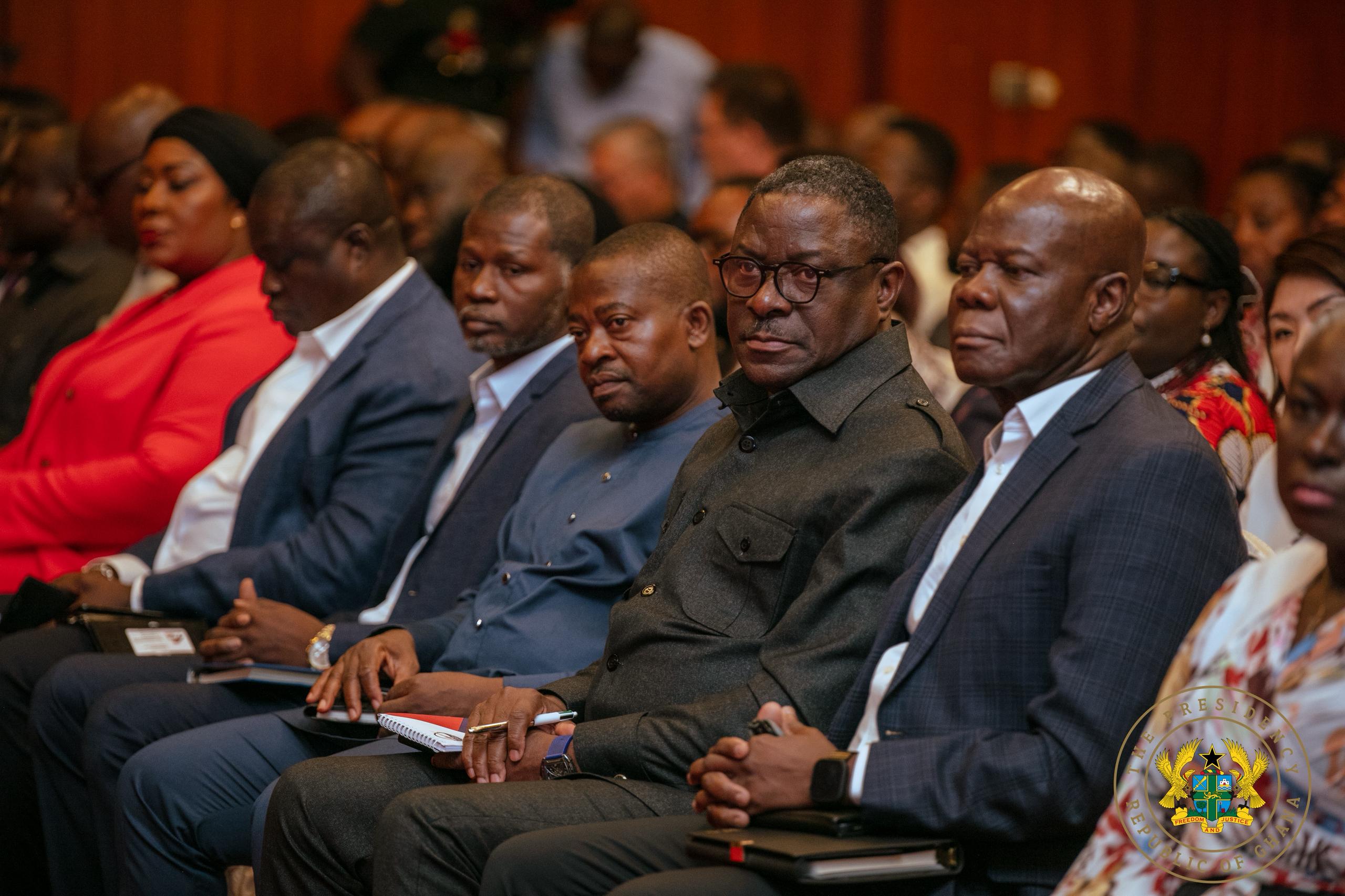
“The 24-hour economy policy is no longer a vision. It’s a structure sequencing an inclusive plan—and its implementation is beginning,” President Mahama declared during his latest engagement with stakeholders in Accra.
He emphasized that the policy is not a top-down model, but rather a decentralized initiative that will be driven by local authorities and tailored to regional strengths.
“Each district will establish its own 24-hour implementation taskforce, housed within the municipal assemblies, and aligned with our local development policy,” he explained.
This decentralized approach, the President noted, will empower each region to define and lead its own path of industrial transformation based on its natural comparative advantage, whether in agriculture, manufacturing, services, or tourism.
As part of the rollout, President Mahama has authorized the 24-Hour Economy Policy Secretariat to begin detailed program design and investment packaging.
The draft policy document will be made public on June 3, 2025, to allow for broad national consultation.
The final policy will be officially launched on July 1, 2025, Ghana’s Republic Day, which he described as a symbolic date for ushering in “a bold new national agenda.”
The 24-Hour Economy Policy is anchored on four key pillars: Production, Enterprise, Jobs, and Export.
It is designed to create a thriving, competitive economy by leveraging round-the-clock operations, increasing productivity, and boosting employment, especially for youth and women.
President Mahama concluded with a rallying call: “Let’s make Ghana a nation where opportunity never sleeps.”