The Responsible Cooperative Mining and Skills Development Programme (rCOMSDEP) has expanded its nationwide training initiative to Agona Nkwanta in the Western Region, as part of ongoing efforts to build a more structured, responsible, and sustainable small-scale mining sector in Ghana.
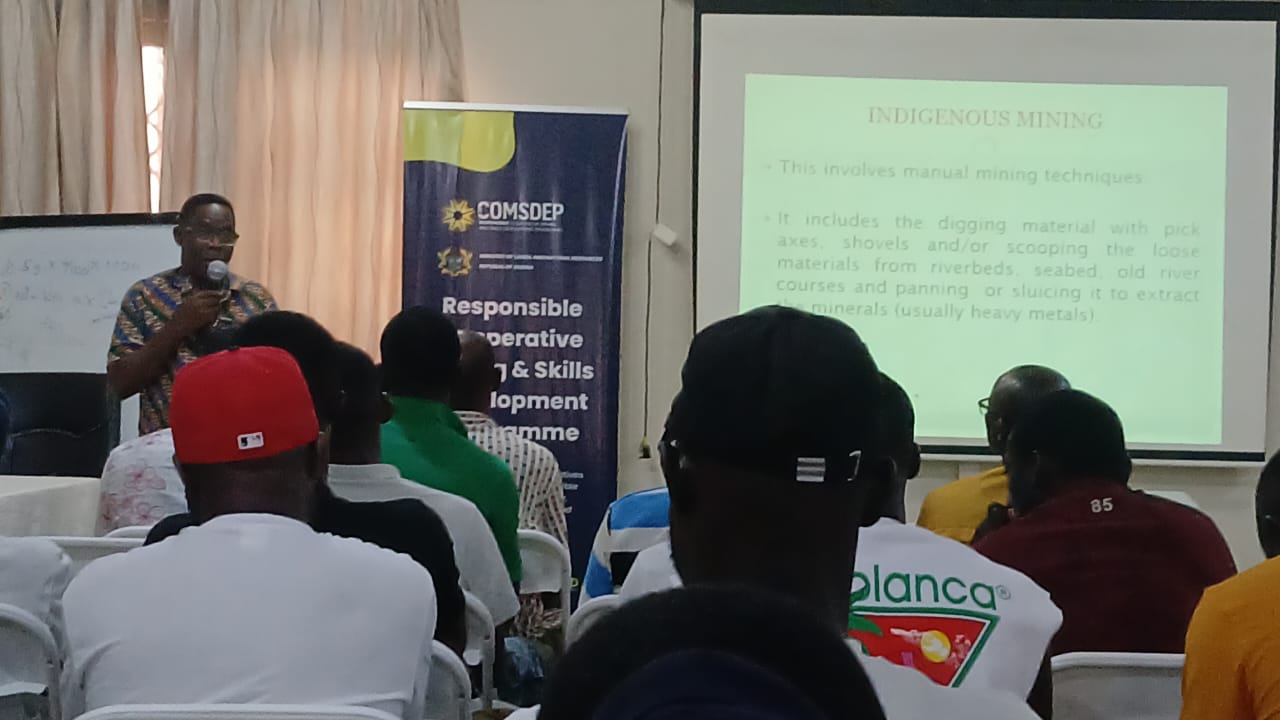
The programme, which took place today, brought together small-scale miners for practical training aimed at strengthening their understanding of responsible mining practices, environmental stewardship, workplace safety, and regulatory compliance.
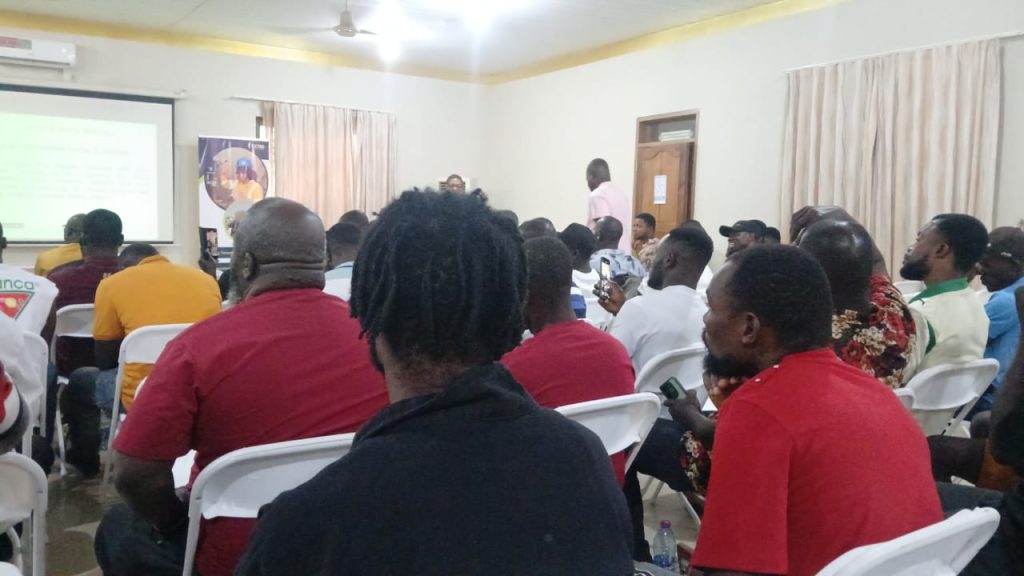
Participants were taken through best practices in responsible mineral extraction, environmental protection, occupational health and safety, and modern mining techniques designed to improve productivity while reducing the negative impact of mining activities on communities and natural resources.
The training also sought to deepen miners’ understanding of Ghana’s mining regulations and the importance of operating within approved legal and environmental frameworks.
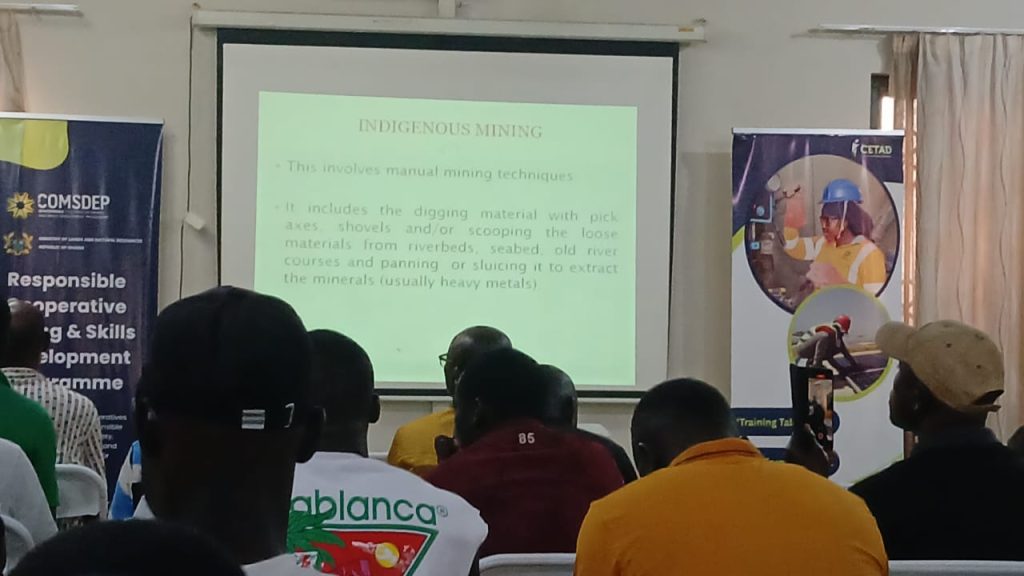
According to rCOMSDEP, empowering miners with the right knowledge and technical skills remains essential to tackling challenges such as environmental degradation, unsafe mining practices, and unregulated operations that have historically affected the sector.
The programme emphasized that responsible mining is critical not only for protecting water bodies, forests, and farmlands but also for ensuring the long-term sustainability and economic viability of the industry.
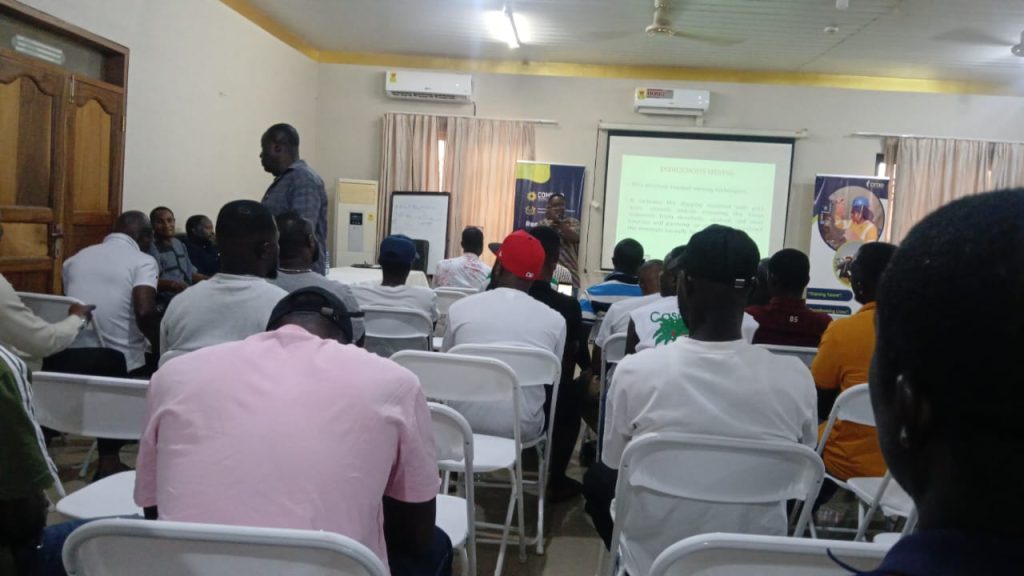
The Agona Nkwanta training marks the latest in a series of engagements being rolled out across mining communities as rCOMSDEP intensifies efforts to support government’s broader agenda of formalising the artisanal and small-scale mining sector.
By equipping miners with practical skills and knowledge, the programme aims to create safer working environments, improve livelihoods, and promote mining practices that balance economic opportunity with environmental protection.
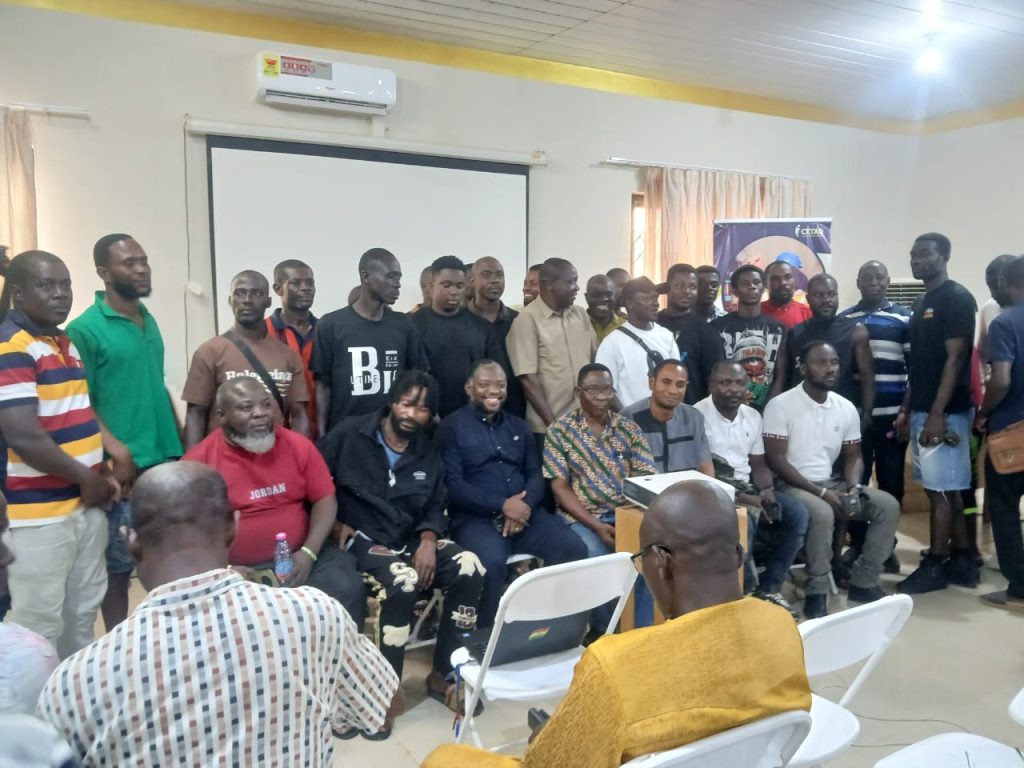
rCOMSDEP maintains that strengthening capacity at the community level will be key to building a mining industry that contributes meaningfully to national development while safeguarding Ghana’s natural resources for future generations.