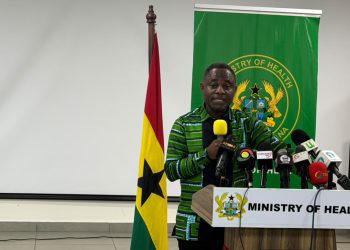
In a sharp exchange over the national discourse on historical justice, Samuel Okudzeto Ablakwa, Minister for Foreign Affairs, has challenged Minority Leader Alexander Afenyo-Markin to deepen his understanding of the reparations movement. The Minister suggested that the Minority Leader utilize the Easter break to visit Former President Nana Addo Dankwa Akufo-Addo for a comprehensive briefing on the government’s official stance and progress regarding global reparations for the transatlantic slave trade.
The friction follows recent comments by Afenyo-Markin, who has been vocal in questioning the tangible outcomes of the current administration’s advocacy. The Minority Leader previously characterized the government’s efforts as largely rhetorical, suggesting that while President Akufo-Addo has gained international acclaim for his speeches at the United Nations and the African Union, there remains a lack of a clear, actionable roadmap for how these reparations would be calculated or distributed.
In a direct response, Ablakwa dismissed the Minority Leader’s skepticism as a misunderstanding of the diplomatic groundwork already laid. He noted that instead of casting doubt on a cause central to the dignity of the African continent, the Minority Leader should seek a personal audience with the President to learn that reparations are not merely about a financial settlement, but about correcting historical structural imbalances.
President Akufo-Addo has made reparations a cornerstone of his foreign policy, most notably through the hosting of the landmark 2023 Accra Reparations Conference. This summit resulted in the “Accra Proclamation,” which officially called for the establishment of a Global Reparations Fund.
Furthermore, the previous administration’s “Year of Return” and “Beyond the Return” initiatives were designed to bridge the gap between the diaspora and the continent, providing the moral and economic foundation for formal restitution claims.
While the Minority Leader’s critique centers on the feasibility of the project and a demand for specifics over symbolism, Ablakwa maintains that the symbolism is a necessary precursor to international legal action.
By urging Afenyo-Markin to consult with the President, the Minister seeks to present a united front on an issue that has traditionally seen bipartisan support, framing the Minority Leader’s current stance as an outlier to the national interest.
Story By: Eugenia Ewoenam Osei