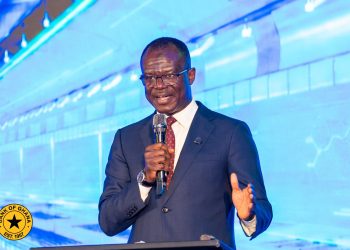
Renowned legal luminary, Tsatsu Tsikata, has called for a multi-level, people-driven response to illegal mining, warning that political declarations alone are not enough to reverse the environmental devastation gripping the country.
Speaking on TV3’s Agenda, Mr. Tsikata welcomed the President’s public declaration of political will to combat illegal mining but insisted that such leadership must translate into real accountability and community action.
“The president should be held accountable for his declaration of a commitment to confront the problem, regardless of whether somebody alleges that somebody in his party or some other party is involved,” he emphasized.
He acknowledged that the President’s expressed commitment signals a strong starting point but cautioned that executive action alone cannot succeed without broader buy-in.
“Leadership commitment is not only about the president. It is also at the level of the communities themselves,” he stated.
He underscored the pivotal role of local actors, particularly traditional rulers, opinion leaders, and families in transforming the country’s response to galamsey. According to Tsikata, these grassroots entities must not be bystanders but active participants in reshaping the future.
Lawyer Tsikata also touched on the need for sustainable and attractive alternatives for youth currently engaged in illegal mining. He noted that many former cocoa farming communities had transitioned to gold mining because it seemed more lucrative, even if illegal.
“The issue is, how are we going to encourage some of these young people who find an easier route through gold and doing the illegal thing? How are we going to encourage them to do differently?” he queried.
He warned that the promise of “alternative livelihoods” will only succeed if those options are economically appealing and culturally grounded. Families and communities must take responsibility for shaping young people’s decisions, not only the central government.
He made a broader call for a nationwide mobilization against illegal mining, one that includes every level of society. “It’s not for people in Accra all the time to pretend that they know everything that’s happening on the ground. The people in the communities must also have a certain commitment to the fight.”
He emphasized that combating galamsey must not become a top-down enforcement-only effort, but rather a collective mission involving intelligence, local action, economic alternatives, and sustained accountability.