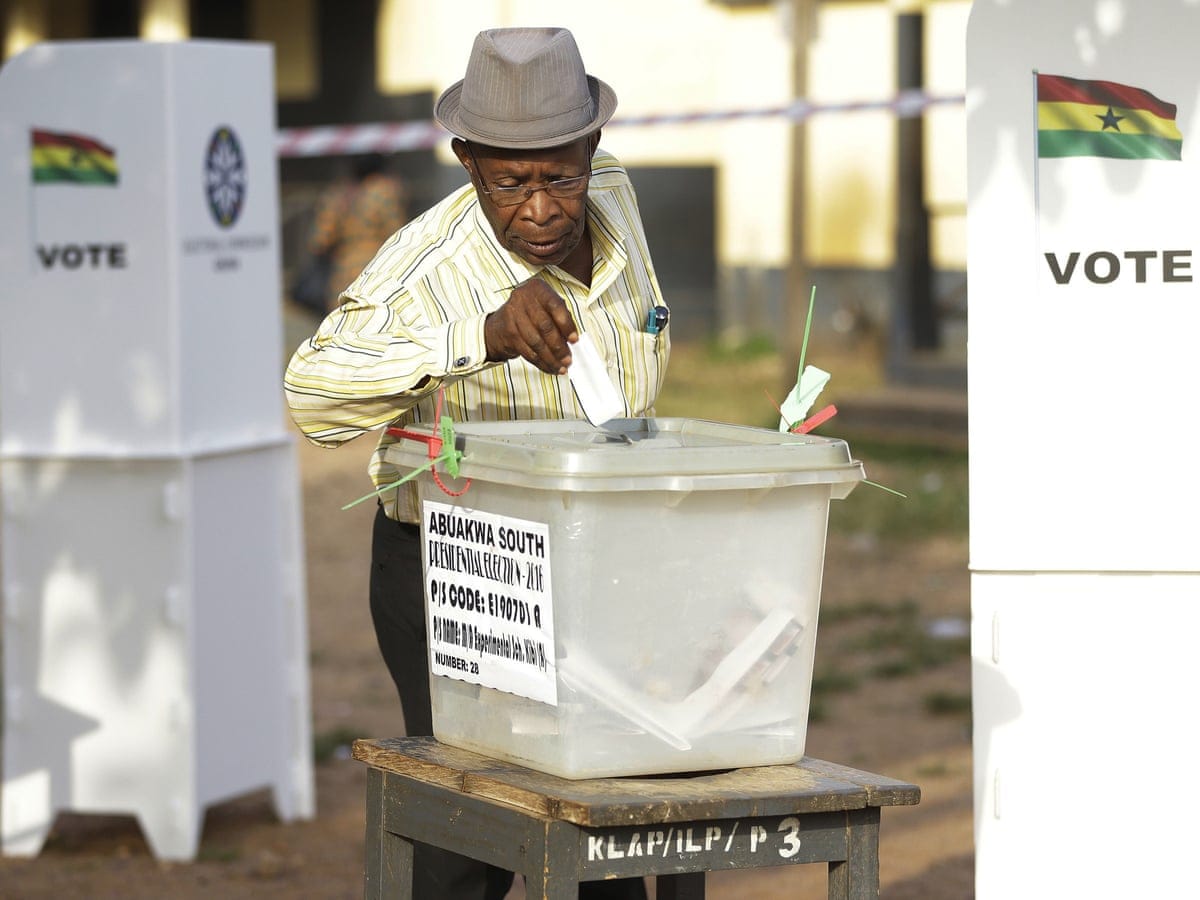
In a few days, Ghana will go to the polls to decide between retaining the current government or voting for a change. Both the incumbent government and the opposition are making promises, but the critical question is: why is the incumbent promising instead of implementing its policies during its tenure?
Recent challenges have pushed many Ghanaians to consider emigration. A striking 44% of citizens express their intention to permanently leave the country, citing difficult economic conditions. Election observers suggest that voters are likely to support a government that can address critical issues such as:
- Constant Rise in Petroleum Prices
The rising cost of petroleum significantly impacts transportation fares and, consequently, the prices of goods and services. As of November 11, 2024, diesel fuel in Ghana was priced at 15.45 GHC per liter, while a 12.5 kg cylinder of gas cost 235 GHC. Daily increases in these prices have made life increasingly challenging for citizens. - Access to Passports, Driver’s Licenses, and Ghana Cards
While the government has made it easier to renew NHIS cards online, acquiring passports and driver’s licenses remains cumbersome and expensive. For example, as of April 2024, standard passport fees were GH¢500 for a 32-page booklet and GH¢644 for a 48-page booklet. Expedited services cost even more. The current government has promised to simplify these processes, but voters question why this remains a promise rather than an implemented policy. - Border and Entry Point Challenges
Travelers and businesspeople report extortion and excessive charges at border points. Many have to pay arbitrary fees to re-enter their own country, creating frustration and economic strain. - Grabbing of Government Lands
Reports of political and business elites using “orders from above” to forcibly evict people from their homes in areas like Cantonments, Labone, and East Legon are widespread. A 2021 directive required the Lands Commission to refer all transactions involving public lands to the Minister for prior approval, but these issues persist. - Paying for Employment
Despite denials by officials, allegations of individuals paying large sums (e.g., GH¢10,000 and above) to secure jobs in government services persist. This practice undermines meritocracy and public trust. - High Import Duties
Ghana reportedly has the highest import duties among 20 countries surveyed, causing despair among businesses and travellers. These exorbitant costs stifle trade and economic growth. - Inefficient Waste Management
The major waste collection service in Accra struggles to meet demand, leaving rubbish piles across the city. Effective recycling plants could address this issue, but progress has been slow. - Food Imports vs. Luxury Spending
Citizens criticize the government for prioritizing luxury car imports over importing food to stabilize prices. High food costs remain a burden on many households. - Scholarship Challenges
Poorly managed scholarship schemes have left many students stranded abroad due to delayed stipends. The recent plight of 2,000 Ghanaian students gained widespread attention. - Community Security
The lack of security cameras in communities has contributed to unchecked criminal activities, including high-profile robberies in areas like Adabraka and Abeka. - Free SHS Scheme Mismanagement
The Free SHS scheme is riddled with corruption, including officials extorting money from parents and guardians. The recent school placement scandal further exposed systemic failures.
In light of these challenges, voters face a critical choice: to prioritize self-preservation or strive for a better future. What will guide your vote?
Author: Doris Lomo