President John Dramani Mahama has announced a comprehensive package of road, bridge, and transport infrastructure projects for the Oti Region, reaffirming his government’s commitment to make the area a hub for trade and connectivity between northern and southern Ghana.
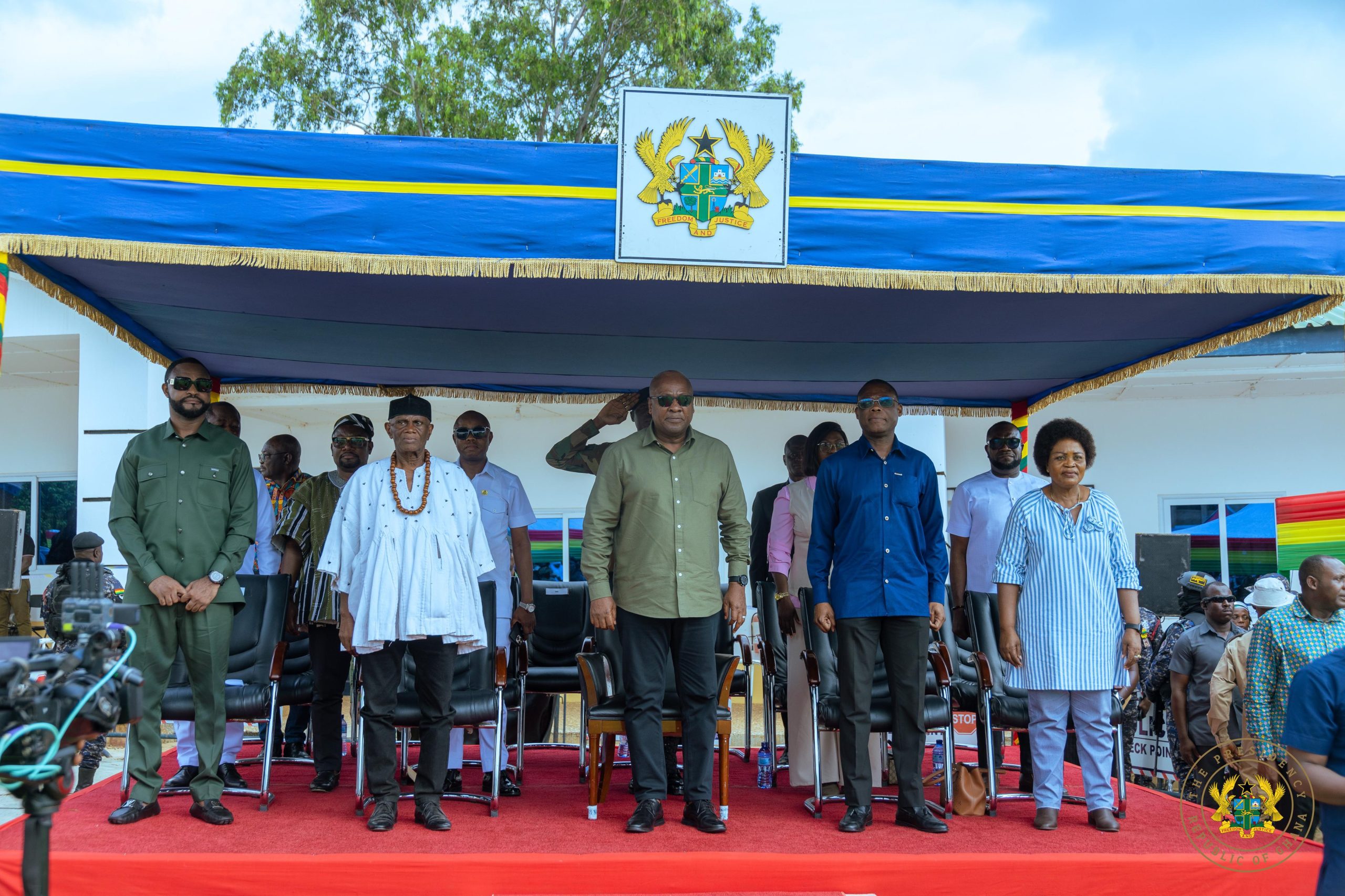
Addressing a durbar of chiefs and people during his final “Thank You Tour” stop in the region, the President emphasized that modern infrastructure remains “the backbone of national development,” adding that Oti’s strategic position demands priority investment.
“Oti Region, as a key transit zone for food and goods from the north to the south, deserves focused investment,” President Mahama said. “The Eastern Corridor Road, one of our country’s most strategic transportation links, is a top priority under my administration.
“I assure you that the completion of the Nkwanta–Kpassa–Oti Damanko stretch will not be delayed.”
The President also revealed that several other critical projects are advancing through the procurement process and will commence soon. These include:
Construction of the Dambai Bridge
Upgrading of the Okadjakrom–Kwamikrom Road
Upgrading of the Abotoase–Atonkor Road
Upgrading of the Kpasa–Tinjase Road
Rehabilitation of the Hohoe–Jasikan Road
Upgrading of the Nkwanta–Oti Damanko Road
Rehabilitation of the Hohoe–Baika–Jasikan Road
Mahama further disclosed that the next phase of road development projects in Oti is currently undergoing technical costing, with procurement to follow soon.
This will cover key roads including Nkwanta–Dambai and major roads within the Kete Krachi, Krachi Nchumuru, and Guan districts.
He assured residents that no part of the region will be left out:
“Let me emphasize that all constituencies in the Oti Region have been included in our national road upgrade programme, which covers over 160 constituencies across the country,” he stated.
“These road projects are integral to our National Infrastructure Master Plan and are part of our strategy to unlock economic potential in every region.”
The announcement drew applause from traditional leaders and residents, many of whom have long called for accelerated road development to boost agriculture, trade, and access to social services in the region.