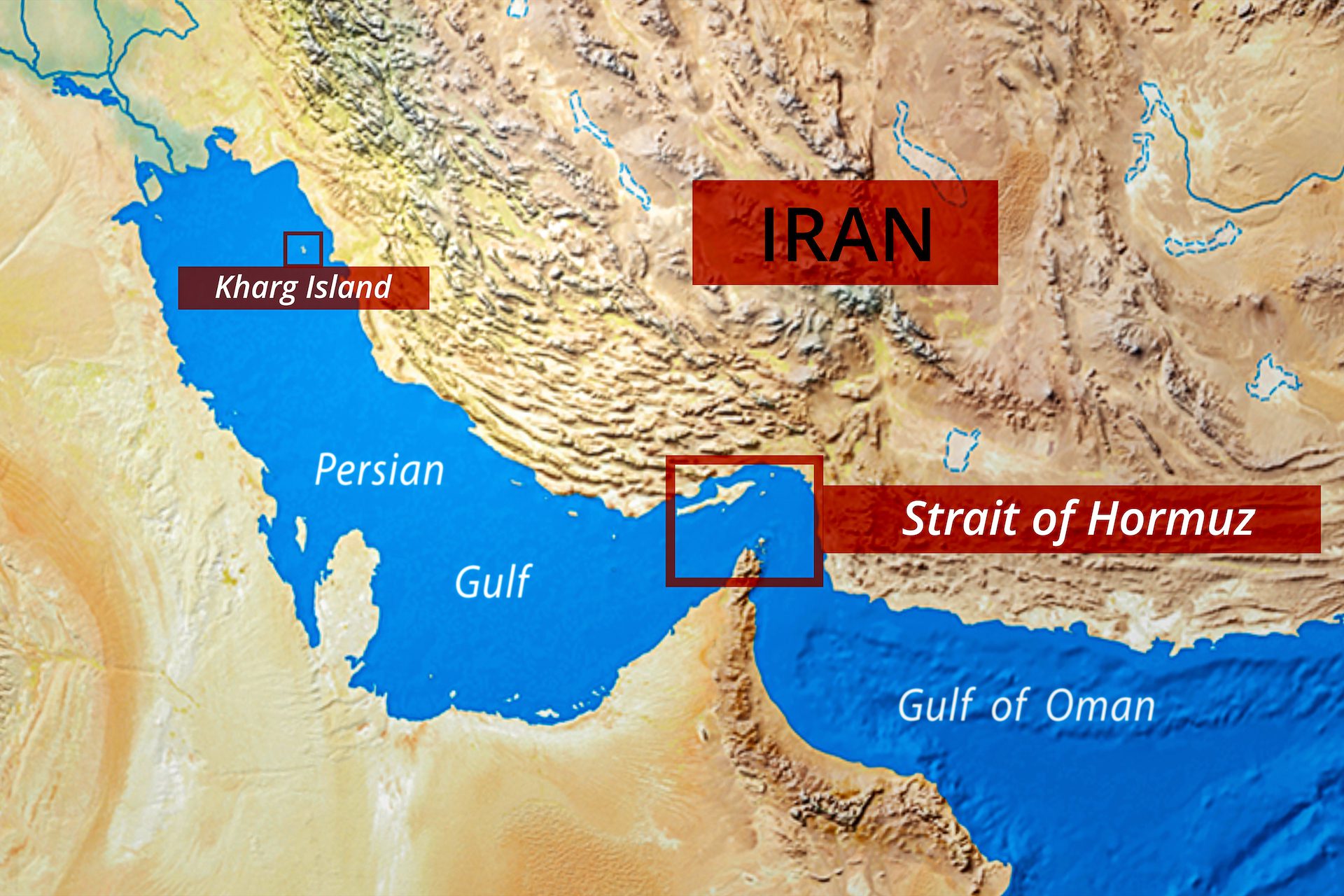
Iran has announced that the Strait of Hormuz is now “completely open” to commercial shipping, marking a significant shift after weeks of disruption caused by the ongoing regional conflict.
According to Iran’s Foreign Minister, vessels can transit the vital waterway freely during the current ceasefire period, provided they follow designated maritime routes coordinated by Iranian authorities.
The reopening is tied to a temporary ceasefire linked to fighting involving Israel and Lebanon, raising hopes of a broader de-escalation in the Middle East.
The Strait of Hormuz is one of the world’s most critical النفط transit chokepoints, handling a significant share of global oil shipments. Its closure in recent weeks had triggered sharp spikes in energy prices and disrupted global supply chains.
Following Iran’s announcement, oil markets reacted immediately, with prices dropping by more than 10% amid expectations of improved supply flows.
Financial markets also rallied on the news, with global stocks rising as investors interpreted the move as a sign of easing geopolitical tensions.
Despite the reopening, uncertainty remains. The arrangement is tied to the duration of the ceasefire, and analysts warn that any breakdown in negotiations could quickly reverse the situation.
The development represents a crucial moment in the ongoing crisis, with global energy markets and shipping industries closely watching whether the reopening leads to a sustained return to normal operations.