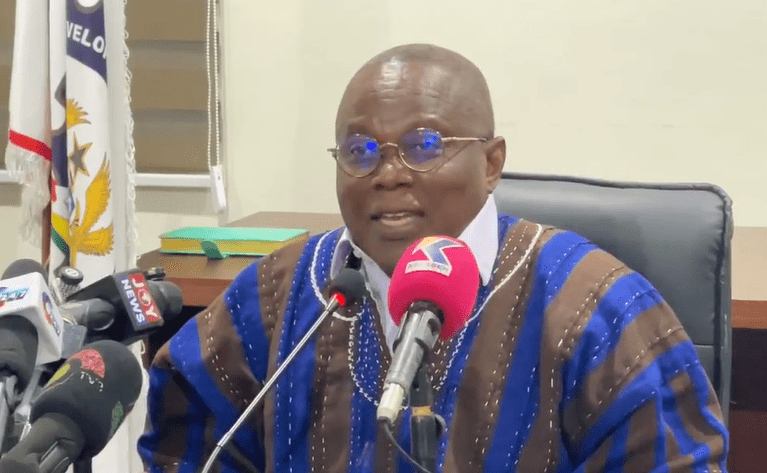
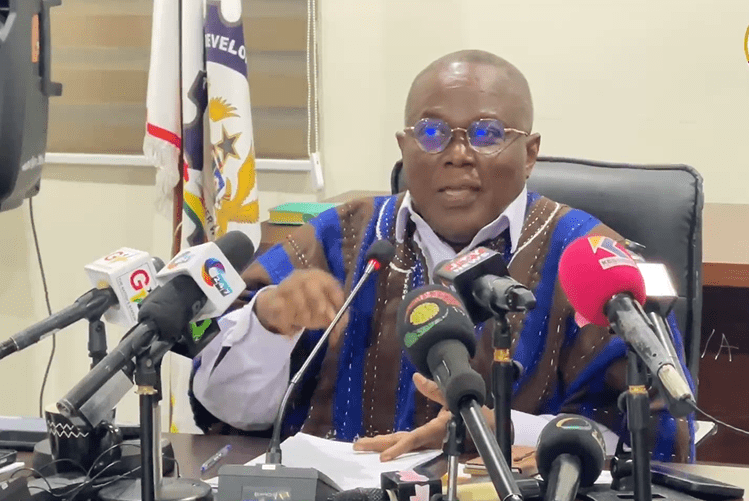
The Chairman of the National Development Planning Commission (NDPC), Dr Nii Moi Thompson, has strongly condemned the recent xenophobic attacks in South Africa, describing them as misguided and rooted in deeper structural challenges rather than the presence of foreign nationals.
Speaking at a media briefing on Strategic Regional Engagements for the preparation of the Consolidated National Development Plan (CNDP) in Accra, Dr Thompson said the narrative that foreigners are taking jobs in South Africa is “simply not true.”
Drawing on his experience working in South Africa with the United Nations for five years, he explained that the country is currently facing a serious skills deficit, with authorities regularly publishing lists of occupations that cannot be filled locally.
“It is simply not true that foreigners are taking their jobs,” he stressed, noting that in many cases, migrants actually fill critical gaps in the labour market.
Deeper structural problems driving tensions
Dr Thompson argued that the attacks are a reflection of long-standing systemic issues, including unemployment, weak skills development, and declining economic performance.
According to him, South Africa has struggled with mismatched skills, deteriorating infrastructure, and slow economic growth, all of which have contributed to rising frustration among sections of the population.
“What is happening is an externalisation of deeper structural problems that have built up over the years,” he explained.
He pointed out that despite the availability of jobs in certain sectors, many individuals are unable to take up these opportunities due to a lack of the required skills.
Violence not a solution
The NDPC Chairman also criticised the use of violence against migrants, noting that no country resolves immigration challenges through mob attacks.
“You cannot leave issues of immigration enforcement to individuals to go attacking people,” he said, warning that such actions undermine the rule of law and social stability.
He emphasised that immigration matters must be handled through established legal and institutional frameworks rather than vigilante actions.
Call for African unity and restraint
Dr Thompson welcomed the measured response from Ghana, noting that there have been no calls for retaliation despite the attacks on Ghanaian nationals.
He urged Ghanaians and Africans more broadly to remain calm and uphold the principles of civility and Pan-African unity. “We need to be civil and rise above this,” he said.
He also commended the Ministry of Foreign Affairs for its swift diplomatic engagement, including summoning the South African High Commissioner and working to ensure the safety of Ghanaians in South Africa.
Signs of hope
While condemning the violence, Dr Thompson expressed optimism following reports of South Africans themselves speaking out against the attacks.
He said such actions are critical in preserving the spirit of African solidarity and ensuring that the continent continues to pursue its shared development goals.
“We must ensure that the Pan-African agenda is maintained and pursued,” he stressed.
The NDPC Chairman’s remarks come amid renewed concern over xenophobic tensions in South Africa, highlighting the need for deeper economic and social reforms to address the root causes of the crisis.