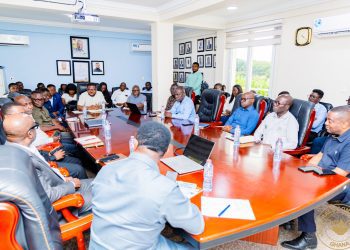
In a diplomatic meeting at Ministry of Foreign Affairs, the Government of Ghana has outlined a strategic roadmap aimed at turning global acknowledgment of historical injustices into concrete international policy.
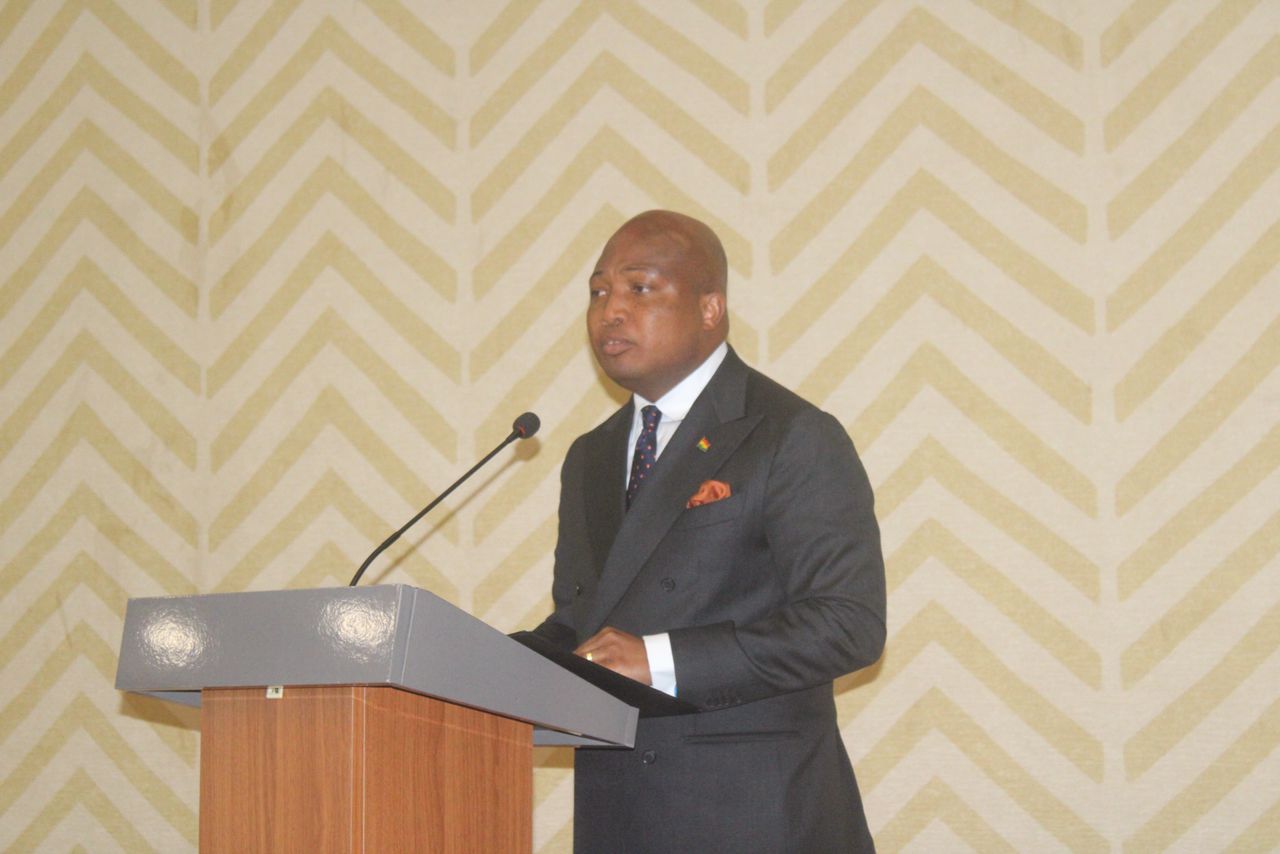
Speaking to members of the diplomatic corps on April 29, 2026, Foreign Affairs Minister Samuel Okudzeto Ablakwa presented Ghana’s position following the adoption of United Nations General Assembly Resolution A/RES/80/250. The resolution formally recognizes the trafficking of enslaved Africans and racialized chattel slavery as the “gravest crime against humanity.”
Ablakwa described the development as a “moral, historical, and symbolic milestone,” noting that it affirms decades of advocacy by governments, academics, and descendants of enslaved people. He stressed that the issue goes beyond revisiting history, calling it a “world-shaping tragedy” whose enduring effects are still visible in global economic inequalities and racial systems.
According to the minister, Ghana’s stance is rooted in the African principle that justice cannot expire. He emphasized that meaningful redress requires more than symbolic acknowledgment, insisting that lasting healing must be backed by concrete action.
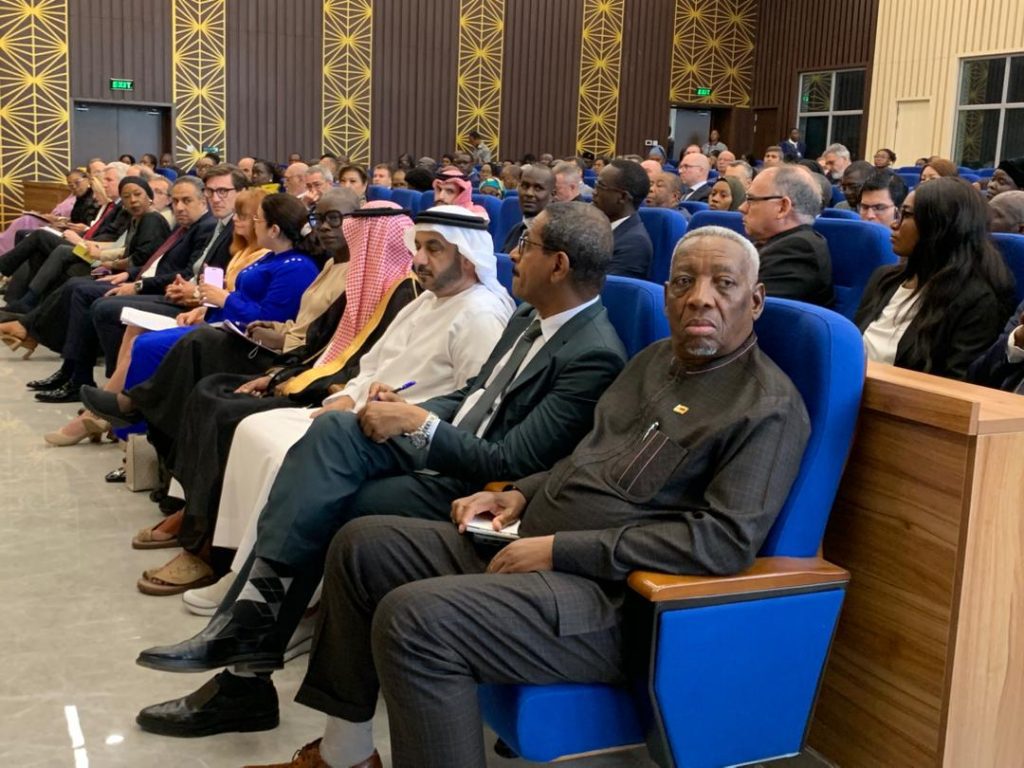
As part of this effort, Ghana will host a high-level consultative conference in Accra from June 17 to 19, 2026. The gathering aims to unify currently fragmented global justice initiatives—such as the CARICOM 10-point reparations plan, the African Union strategy, and legislative efforts in the United States—into a single, coordinated Global Post-Adoption Framework. This framework is intended to guide international efforts toward systemic reform and accountability.
To support implementation, Ablakwa announced the formation of three expert panels to be launched on June 18: a Global Advisory Panel to provide strategic direction, a Restitution Panel focused on returning cultural artifacts, and a Legal Pathway Panel to explore judicial mechanisms for reparatory justice. He underscored that the return of looted heritage is “a matter of justice, not generosity,” referencing precedents from other historical contexts.
Despite the weight of the issue, the minister highlighted Ghana’s preference for collaboration over confrontation. Citing recent engagements with Emmanuel Macron, he reaffirmed the country’s commitment to constructive dialogue between nations of the Global North and South. He said the ultimate goal is to build a fairer global order grounded in mutual respect and shared responsibility.
The summit will conclude on June 19 with a symbolic event at Osu Castle, aligning with Juneteenth, which commemorates the end of slavery in the United States. The event is expected to mark the first large-scale joint Juneteenth observance between an African country and the U.S., reinforcing ties with the African diaspora.
Looking ahead, Ablakwa also announced plans for a Diaspora Homecoming and Resettlement Initiative later in the year, along with the establishment of the first Transatlantic Slave Museum on African soil—efforts aimed at sustaining global momentum for justice, remembrance, and reconciliation.
Story By: Eugenia Ewoenam Osei